Status, challenges, and prospects of artificial intelligence application in gout diagnosis and treatment, drug research and development, and disease monitoring - Report - MDSpire
Conexiant’s news site is now MDSpire News. Learn more
Advertisement
Current Landscape, Obstacles, and Future Directions for the Use of Artificial Intelligence in Gout Diagnosis, Treatment, Drug Development, and Disease Monitoring
Current Landscape, Obstacles, and Future Directions for AI in Gout Care
Overview
This review discusses the rising global prevalence of gout and the potential of artificial intelligence (AI) in its diagnosis and management. It highlights the challenges in gout care and the applications of AI in addressing these issues.
Background
Gout is a chronic inflammatory disease characterized by the deposition of monosodium urate crystals, leading to significant morbidity. The increasing incidence of gout, particularly among younger populations, presents a public health challenge. Traditional diagnostic methods have limitations, including the potential for misdiagnosis due to overlapping clinical features with other conditions. Innovative approaches such as AI may improve patient outcomes and healthcare efficiency.
Data Highlights
In 2020, 55.8 million people globally had gout, with a 22.5% increase in prevalence since 1990.
Key Findings
Gout prevalence has increased by 22.5% since 1990, with 55.8 million affected globally in 2020.
AI has the potential to improve gout diagnosis, treatment strategies, and disease monitoring through advanced data processing and pattern recognition.
Traditional diagnostic methods for gout, including clinical symptoms and laboratory tests, have significant limitations.
AI can assist in interpreting complex datasets from gout patients to enhance clinical decision-making.
There is an urgent need for more accurate and efficient strategies in gout diagnosis and treatment.
Clinical Implications
Healthcare professionals should consider the integration of AI technologies into gout management to enhance diagnostic accuracy and treatment personalization.
Conclusion
The application of AI in gout care presents a potential avenue to address existing clinical challenges.
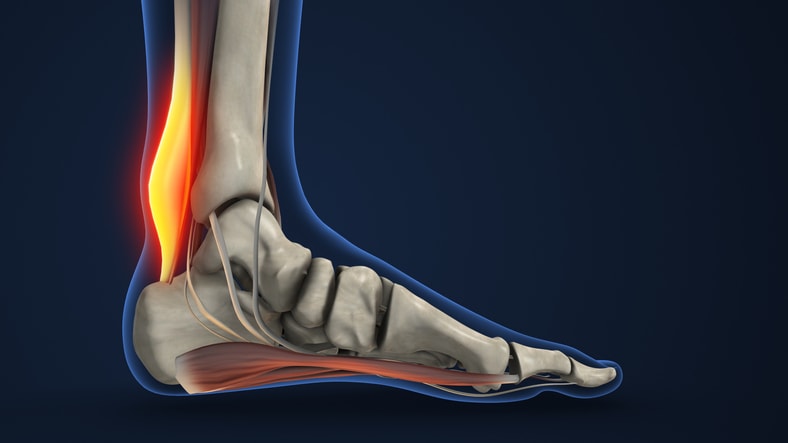
A case report highlighted extensive intratendinous urate deposition and bilateral Achilles tendon rupture, raising awareness of tendon complications in advanced gout.