Utilizing Learning Health Systems to Tackle Racial and Ethnic Inequities
Background
Racial and ethnic inequities in healthcare can lead to significant disparities in health outcomes and patient experiences. The VA serves a diverse population of Veterans who are disproportionately affected by these inequities. By leveraging the LHS framework, the VA aims to integrate continuous improvement and data-driven strategies to enhance health equity.
Data Highlights
No numerical data or trial data provided in the source material.
Key Findings
The LHS framework emphasizes continuous cycles of data-driven improvement in healthcare delivery.
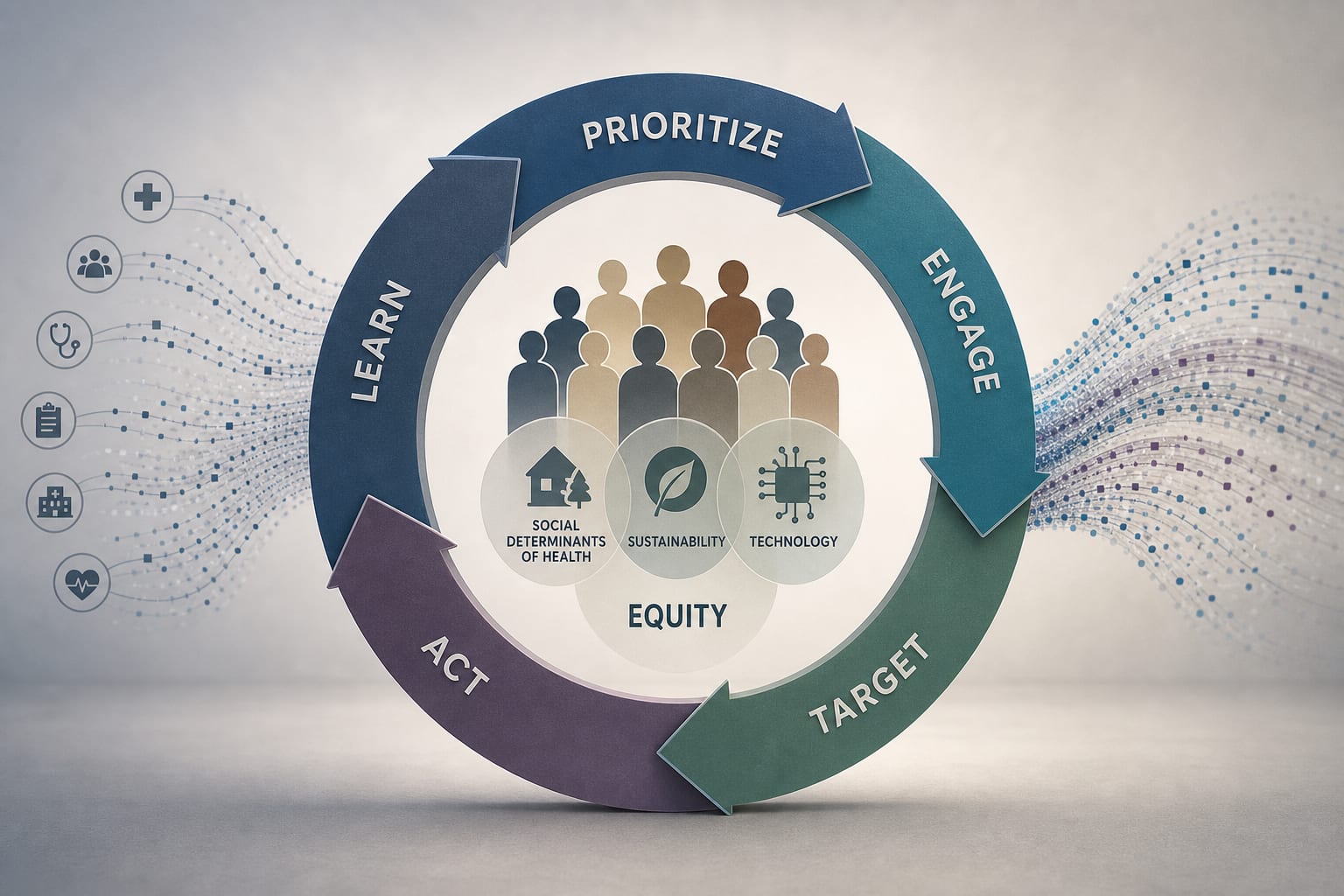
The PETAL framework provides a structured approach to integrating equity into LHS, focusing on prioritization, engagement, targeting, action, and learning.
The VA has established partnerships between researchers and clinical operations to co-design interventions aimed at reducing health disparities.
The National Veteran Health Equity Report (NVHER) offers extensive data on health inequities, guiding policy and practice decisions within the VA.
Community engagement with diverse Veteran representatives is crucial for ensuring that findings resonate with their experiences.
Clinical Implications
The integration of the LHS framework within the VA can serve as a model for other healthcare systems aiming to address health disparities. Continuous engagement with community members and data-driven interventions are essential for improving patient experiences and outcomes.
Conclusion
The application of LHS principles within the VA demonstrates a commitment to advancing health equity through structured frameworks and community engagement. Ongoing efforts are necessary to address the challenges and improve health outcomes for all Veterans.