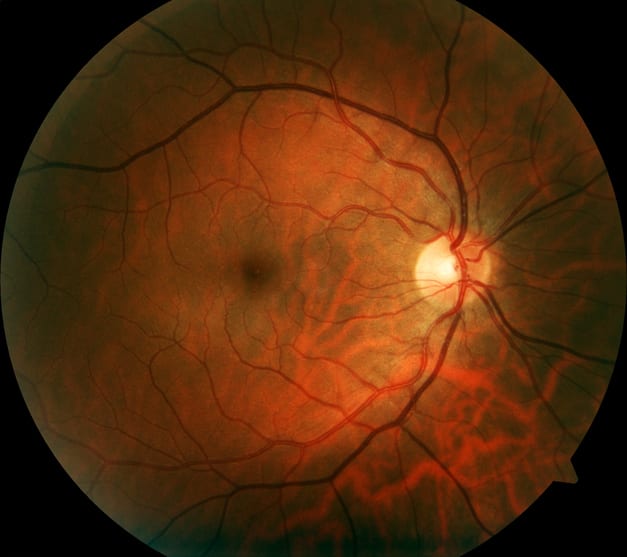
Clinical Report: Retinal Biomarkers in Routine Eye Imaging
Overview
This study investigates the predictive value of neurovascular retinomics using multimodal retinal imaging to assess systemic disease risk. By integrating color fundus photography and optical coherence tomography, the research aims to establish a framework for non-invasive disease risk stratification.
Background
The ability to predict disease risk early is crucial for timely interventions and improved patient outcomes. Traditional diagnostic methods often focus on single diseases and can be invasive and costly. Retinal imaging offers a non-invasive approach to assess systemic health, potentially bridging the gap between ophthalmology and broader health assessments.
Data Highlights
No numerical data or trial results were provided in the source material.
Key Findings
Retinomic profiling integrates features from both color fundus photography and optical coherence tomography.
The study utilizes data from the UK Biobank, a large cohort of approximately 500,000 participants.
Retinal imaging can provide insights into systemic diseases such as cardiovascular disorders, diabetes, and neurodegeneration.
Multimodal imaging approaches are underexplored for multi-disease risk stratification.
Routine eye exams may serve as a pivotal opportunity for preventive care and systemic health assessment.
Clinical Implications
The findings suggest that retinal imaging could be a valuable tool for non-invasive risk assessment of multiple systemic diseases. Incorporating retinomic approaches into routine eye exams may enhance early detection and intervention strategies for chronic conditions.
Conclusion
This research highlights the potential of retinomic profiling as a novel method for predicting systemic disease risk through routine eye imaging. Further studies are necessary to validate these findings and integrate them into clinical practice.
A pharmacovigilance analysis of FDA adverse event reports finds the strongest ischemic optic neuropathy reporting signal with high-dose semaglutide formulations, with higher adjusted odds reported in men.