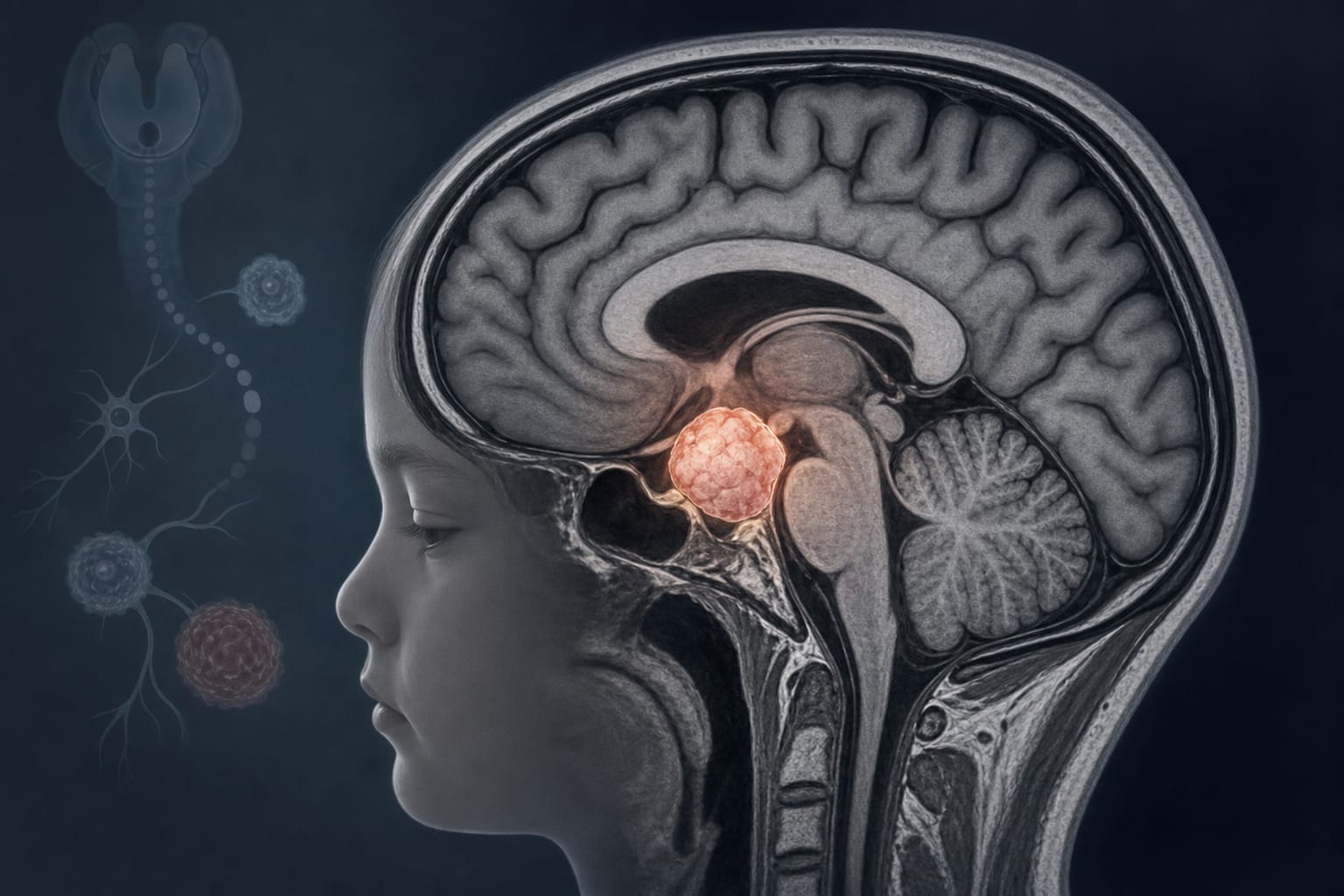
Clinical Report: Advancing Precision Treatment in Oral Squamous Cell Carcinoma
Overview
This review highlights the critical roles of ferroptosis and cuproptosis in oral squamous cell carcinoma (OSCC), emphasizing their potential as therapeutic targets. The interplay between these cell death modalities and their implications for treatment resistance and immune evasion are discussed, paving the way for novel combination strategies.
Background
Oral squamous cell carcinoma (OSCC) is a prevalent malignancy with a high case-fatality rate and limited treatment efficacy. Conventional therapies often lead to significant toxicity and poor patient outcomes, necessitating innovative approaches. Ferroptosis and cuproptosis represent emerging programmed cell death pathways that could enhance therapeutic strategies and improve patient prognosis in OSCC.
Data Highlights
No numerical data available in the source material.
Key Findings
Ferroptosis is characterized by iron-dependent lipid peroxidation and distinct morphological changes in cells.
The core mechanism of ferroptosis involves iron metabolism disruption, lipid peroxide accumulation, and antioxidant axis collapse.
Cuproptosis induces proteotoxic stress through copper ion interactions with mitochondrial proteins.
Both ferroptosis and cuproptosis are linked to tumor metabolism, immune microenvironment remodeling, and therapeutic resistance in OSCC.
Combination strategies targeting both ferroptosis and cuproptosis may enhance treatment efficacy in OSCC.
Clinical Implications
Understanding the mechanisms of ferroptosis and cuproptosis can inform the development of targeted therapies for OSCC. Clinicians should consider these pathways when evaluating treatment options and potential resistance mechanisms in patients.
Conclusion
Ferroptosis and cuproptosis represent promising avenues for advancing precision treatment in OSCC, with the potential to improve patient outcomes through novel therapeutic strategies.