Joint Preservation Surgery Shows Promise in Young Adults with Hip Dysplasia - Report - MDSpire
Advertisement
Joint Preservation Surgery Shows Promise in Young Adults with Hip Dysplasia
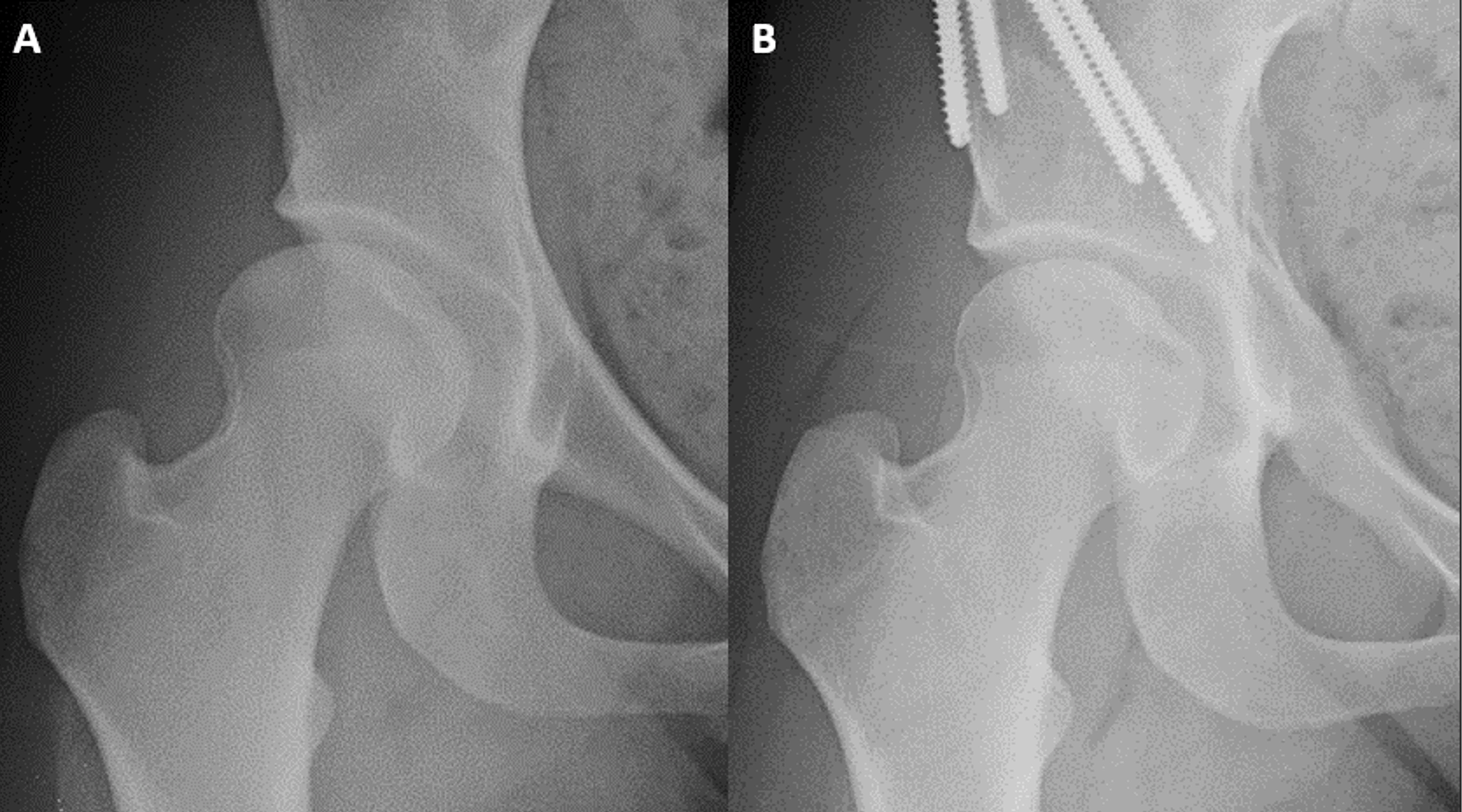
Periacetabular osteotomy (PAO) surgery corrects the deformed hip socket dysplastic to increase contact between the ball and socket, thereby reducing pain and improving stability and function.
Clinical Report: Joint Preservation Surgery Shows Promise in Young Adults with Hip Dysplasia
Overview
Revise to clarify that the 95% hip durability is specifically linked to PAO outcomes.
Background
Hip dysplasia is a prevalent condition that can lead to pain, activity limitations, and osteoarthritis if untreated. PAO surgery aims to correct the hip socket deformity, enhancing joint stability and function. Early intervention in young, active patients can prevent the progression to osteoarthritis, making this a critical area of focus in orthopedic care.
Data Highlights
Outcome
Percentage
Hip durability at 10 years
95%
Symptom improvement post-PAO
94.9%
Patient satisfaction rate
91.2%
Key Findings
PAO surgery corrects hip socket deformities, improving joint function.
95% durability of the natural hip at 10 years post-PAO.
94.9% of patients report significant symptom improvement after surgery.
91.2% patient satisfaction rate following PAO procedures.
Early intervention can delay or prevent secondary osteoarthritis in young patients.
Clinical Implications
Healthcare professionals should consider PAO for young adults with symptomatic acetabular dysplasia and minimal arthritis to improve long-term outcomes. Early diagnosis and intervention are crucial to prevent the progression of hip-related complications.
Conclusion
PAO represents a promising surgical option for young adults with hip dysplasia, offering significant improvements in function and quality of life while delaying the onset of osteoarthritis.
A long-term cohort study found that obesity was not associated with worse patient-reported outcomes or higher reoperation rates following total ankle replacement in optimized surgical candidates.