Association Between Smoking and Hepatic Steatosis Risk in Young Korean Adults
Overview
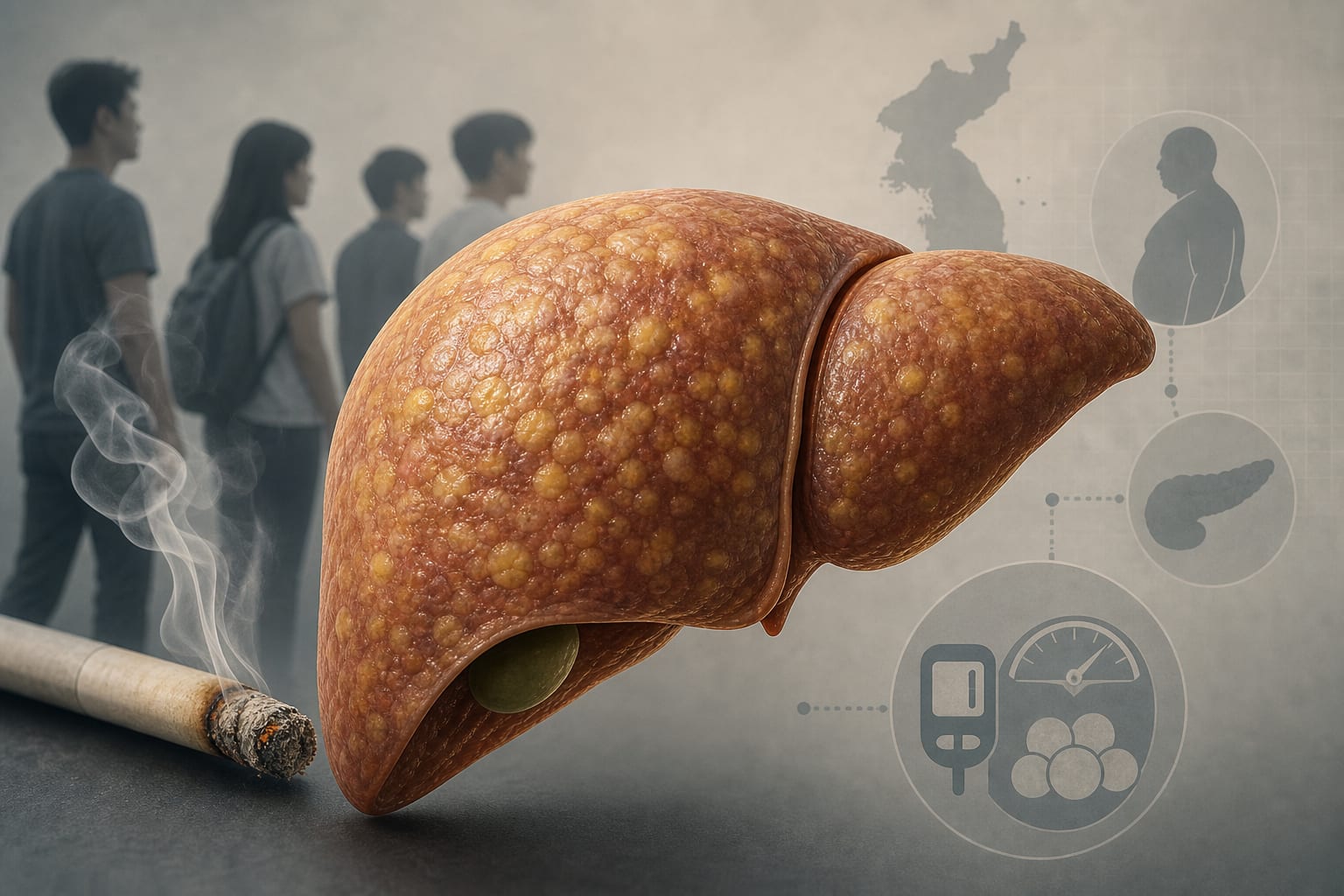
This study investigates the longitudinal association between smoking exposure and the risk of hepatic steatosis in young Korean adults, utilizing data from the Korean National Health Insurance Service.
Background
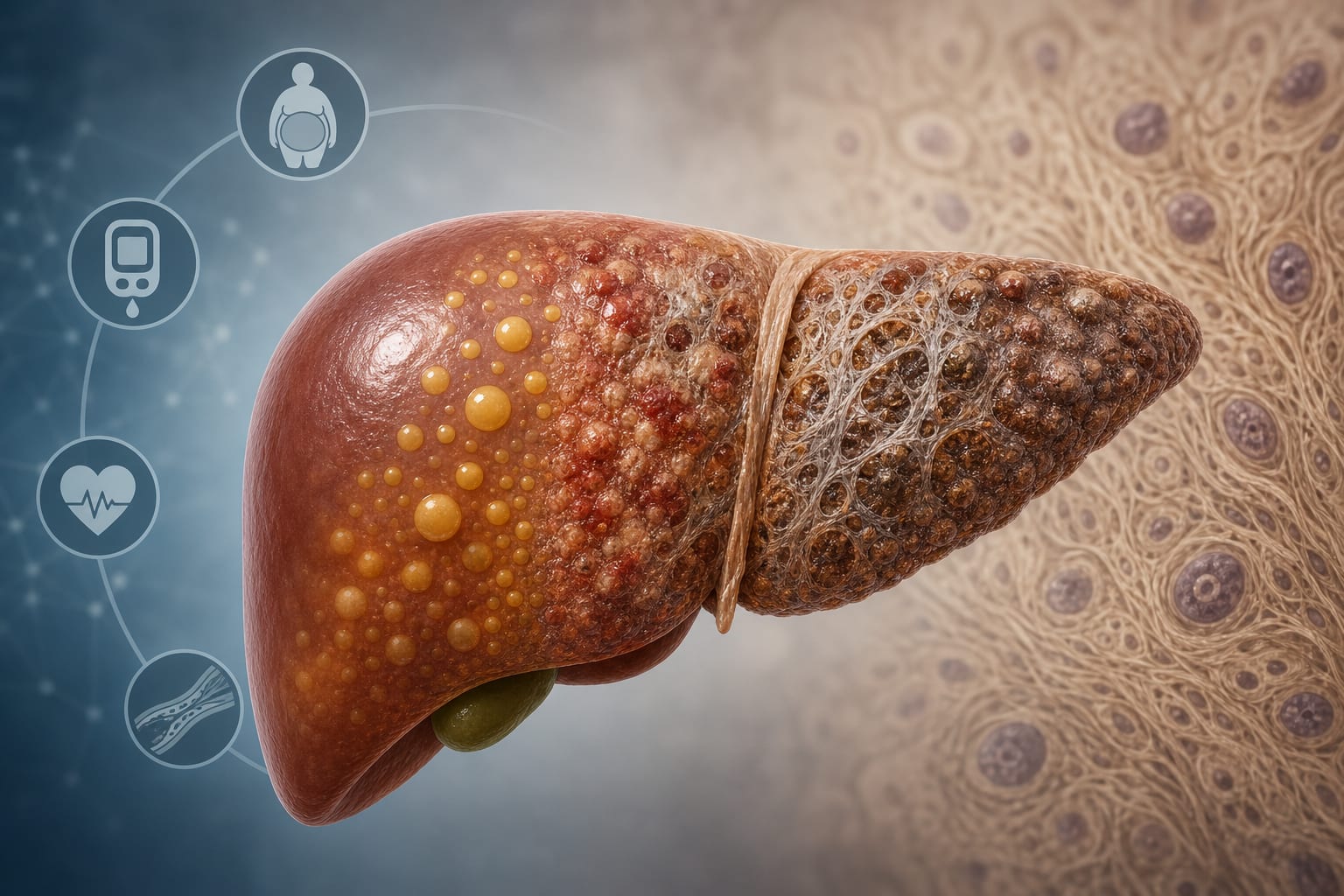
Metabolic dysfunction-associated steatotic liver disease (MASLD) is a significant public health issue, especially in Asian populations, with its prevalence linked to lifestyle factors such as smoking. This study addresses the gap in knowledge regarding smoking's effects on hepatic steatosis in young adults.
Data Highlights
The study analyzed data from 3,496,144 individuals aged 20-39 years, followed until December 31, 2022.
Key Findings
Smoking exposure is significantly associated with increased odds of hepatic steatosis.
The relationship between smoking and hepatic steatosis varies according to obesity status.
Longitudinal data from the Korean National Health Insurance Service was utilized for the analysis.
Previous studies have shown a pooled odds ratio of 1.110 for smoking and fatty liver disease, as reported in a meta-analysis.
Insulin resistance is a central factor in hepatic lipid accumulation.
Clinical Implications
Healthcare professionals should consider smoking cessation as a critical component of managing and preventing hepatic steatosis in young adults. Understanding the varying impacts of smoking based on obesity status may inform targeted interventions.
Conclusion
The study highlights the association between smoking and the risk of hepatic steatosis in young Korean adults.