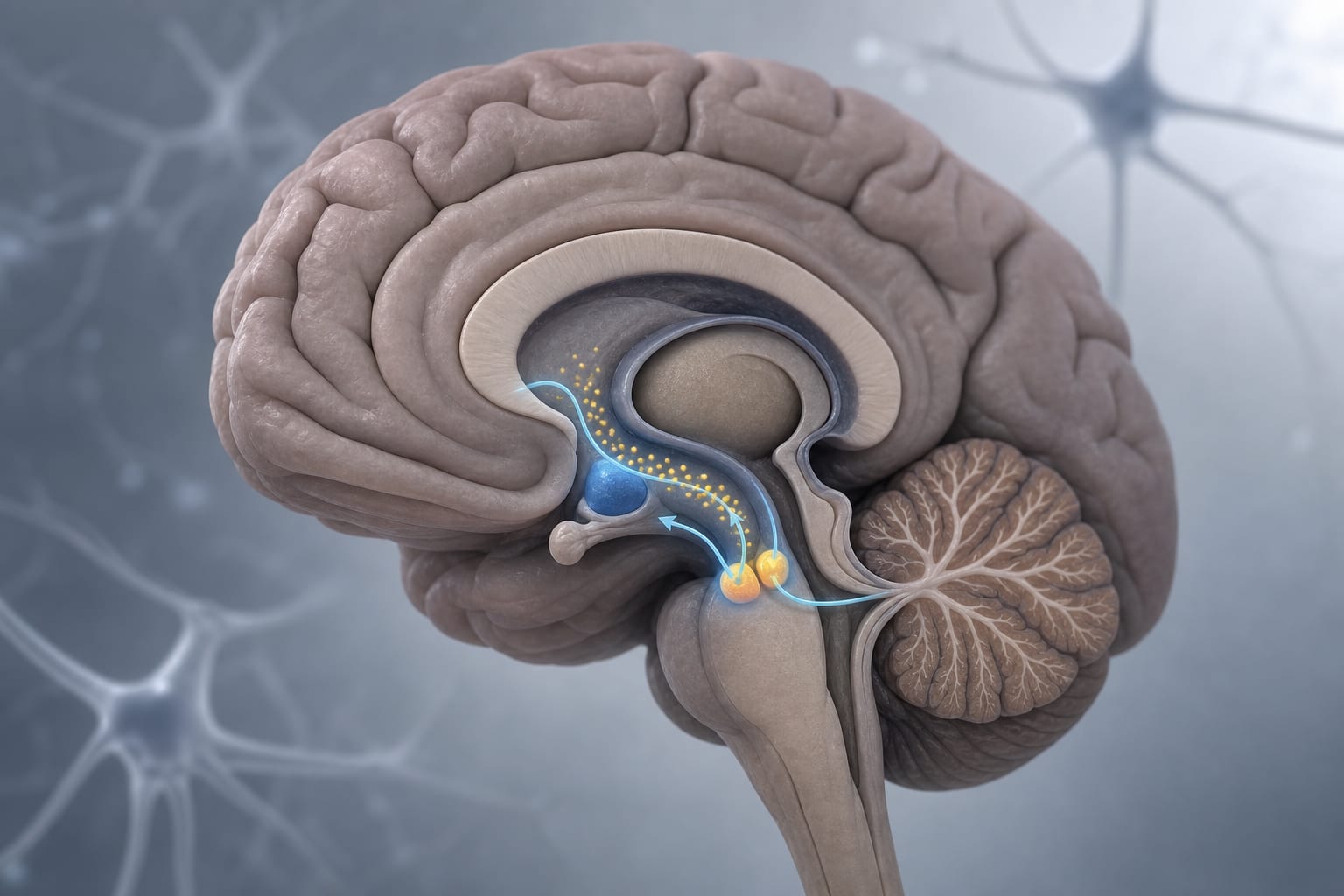
Pure autonomic failure as an essential window into progression of synucleinopathies
-
By
-
Elizabeth A Coon
-
Roy Freeman
-
February 7, 2026
-
0 min
Clinical Report: Pure Autonomic Failure as a Prodrome of Synucleinopathies
Overview
Pure autonomic failure (PAF) is increasingly recognized as a prodromal synucleinopathy that can evolve into central neurodegenerative disorders such as Parkinson’s disease, dementia with Lewy bodies, and multiple system atrophy. A large natural history study of 281 patients with PAF demonstrated a 33% phenoconversion rate over a median 10-year follow-up, identifying clinical and demographic factors associated with progression.
Background
PAF is a peripheral autonomic disorder characterized by neurogenic orthostatic hypotension and autonomic impairment. Historically considered distinct, it is now understood as an early manifestation of synucleinopathies with central nervous system involvement. Identifying patients at risk of phenoconversion is critical for early diagnosis and potential future disease-modifying interventions. Prior studies have reported phenoconversion rates ranging from 24% to 33% over varying follow-up durations.
Data Highlights
| Study | Number of Patients | Follow-up (years) | Phenoconversion Rate (%) |
|---|---|---|---|
| Queen Square cohort (Chiaro et al.) | 281 | 10 (median) | 33 |
| Bologna group | 50 | 7 (mean) | 32 |
| Mayo Clinic cohort | 275 | 5.5 (mean) | 24 |
| International multicentre study | 209 | 3 (mean) | 33 |
Key Findings
- PAF patients have a 33% risk of phenoconversion to central synucleinopathies over 10 years, predominantly Lewy body disorders.
- Earlier age at onset, severe genitourinary dysfunction, and male sex are associated with phenoconversion to multiple system atrophy.
- Older patients with dream enactment behavior and anosmia are more likely to develop Parkinson’s disease or dementia with Lewy bodies.
- Sexual dysfunction often precedes orthostatic intolerance, while bladder dysfunction coincides with its onset.
- Dream enactment behavior occurs in 40% of PAF patients and typically precedes orthostatic symptoms by 4 years.
- DaTScan abnormalities are present in 39% of PAF patients and predict phenoconversion, though some with abnormal scans remain phenotypically PAF.
Clinical Implications
Clinicians should monitor PAF patients closely for signs of phenoconversion, especially those with early onset, genitourinary symptoms, and male sex, who may be at higher risk for multiple system atrophy. The presence of dream enactment behavior and anosmia may indicate progression toward Lewy body disorders. Diagnostic tools such as DaTScan and emerging α-synuclein biomarkers (skin biopsy, CSF assays) can aid in early detection and risk stratification, facilitating timely intervention as disease-modifying therapies become available.
Conclusion
PAF represents a critical early stage in the spectrum of synucleinopathies, with identifiable clinical and imaging features that predict progression. Enhanced diagnostic approaches and longitudinal monitoring are essential to improve prognostication and enable early therapeutic strategies.
References
- Chiaro et al. 2024 -- Pure autonomic failure: a natural history study of the Queen Square cohort
- Bradbury and Eggleston 1925 -- Seminal description of PAF
- Bannister 20th century -- Pathophysiology of PAF and distinction from central autonomic disorders
- Autopsy studies -- α-synuclein presence in PAF
- Bologna group 2020s -- Phenoconversion in autonomic failure
- Mayo Clinic cohort studies -- Phenoconversion rates in PAF
- International multicentre study -- Phenoconversion in autonomic failure
- Skin biopsy and CSF α-synuclein biomarkers studies
This content is an AI-generated, fully rewritten summary based on a published scholarly article. It does not reproduce the original text and is not a substitute for the original publication. Readers are encouraged to consult the source for full context, data, and methodology.