Hospital-acquired infections in preterm infants with gestational age <32 weeks: a retrospective study of clinical characteristics, pathogen distribution, and associated factors - Report - MDSpire
Advertisement
Hospital-acquired infections in preterm infants with gestational age <32 weeks: a retrospective study of clinical characteristics, pathogen distribution, and associated factors
Clinical Report: Infections Acquired in Hospitals Among Preterm Infants
Overview
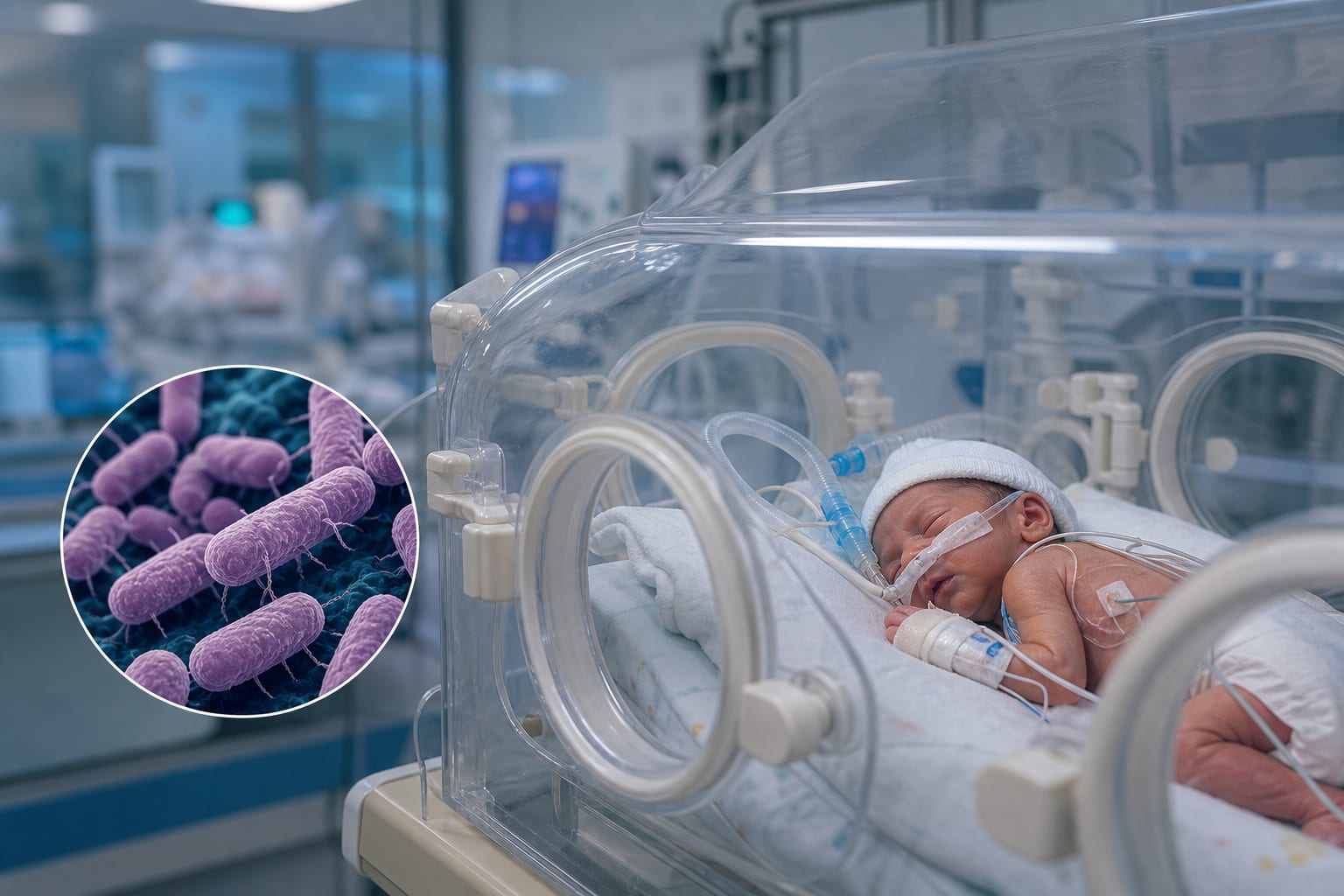
This study identifies a 31.18% incidence of nosocomial infections in preterm infants born before 32 weeks, with significant associations found between infection risk and specific modifiable factors. The findings underscore the need for targeted interventions in neonatal intensive care units.
Background
Preterm infants, particularly those born before 32 weeks' gestation, are at heightened risk for nosocomial infections due to their immature immune systems and prolonged hospital stays. Understanding the epidemiology and risk factors for infections in this vulnerable population is critical for improving clinical outcomes and reducing morbidity associated with infections.
31.18% of preterm infants developed nosocomial infections.
Respiratory tract infections were the most common, with pneumonia at 13.53%.
Klebsiella pneumoniae was the predominant pathogen, accounting for 68% of isolates.
PICC catheterisation and vitamin D deficiency were identified as independent risk factors for infection.
Delayed cord clamping was found to be independently protective against infections.
BPD incidence was significantly higher in infected infants compared to non-infected infants (47.17% vs. 29.91%).
Clinical Implications
The identification of modifiable risk factors such as PICC catheterisation and vitamin D deficiency highlights the importance of implementing targeted prevention strategies in NICUs. Standardizing care bundles for catheter management and ensuring adequate vitamin D levels may reduce infection rates and improve outcomes for preterm infants.
Conclusion
The study emphasizes the significant burden of nosocomial infections among preterm infants and the potential for targeted interventions to mitigate this risk. Further research is needed to validate these findings and optimize infection prevention strategies in neonatal care.