Clinical Report: The Relationship Between Initial Injury Classification and Subsequent Violent Reinjury
Overview
This report examines the risk of recurrent violent injury across multiple injury types, including blunt assault, stabbing, and firearm injuries.
Background
Violent injuries are a leading cause of death among children and young adults in the United States, with over 40 million emergency department visits in 2022. Understanding the patterns of violent reinjury is crucial for developing effective prevention strategies.
Data Highlights
No numerical data or trial data provided in the source material.
Key Findings
Individuals with blunt index injuries may have a higher risk of reinjury by more severe mechanisms, such as stabbing or firearm injuries.
Those with initial firearm injuries have a higher risk of subsequent reinjury.
Prior studies indicate that the severity of violence increases with each exposure to violent injury.
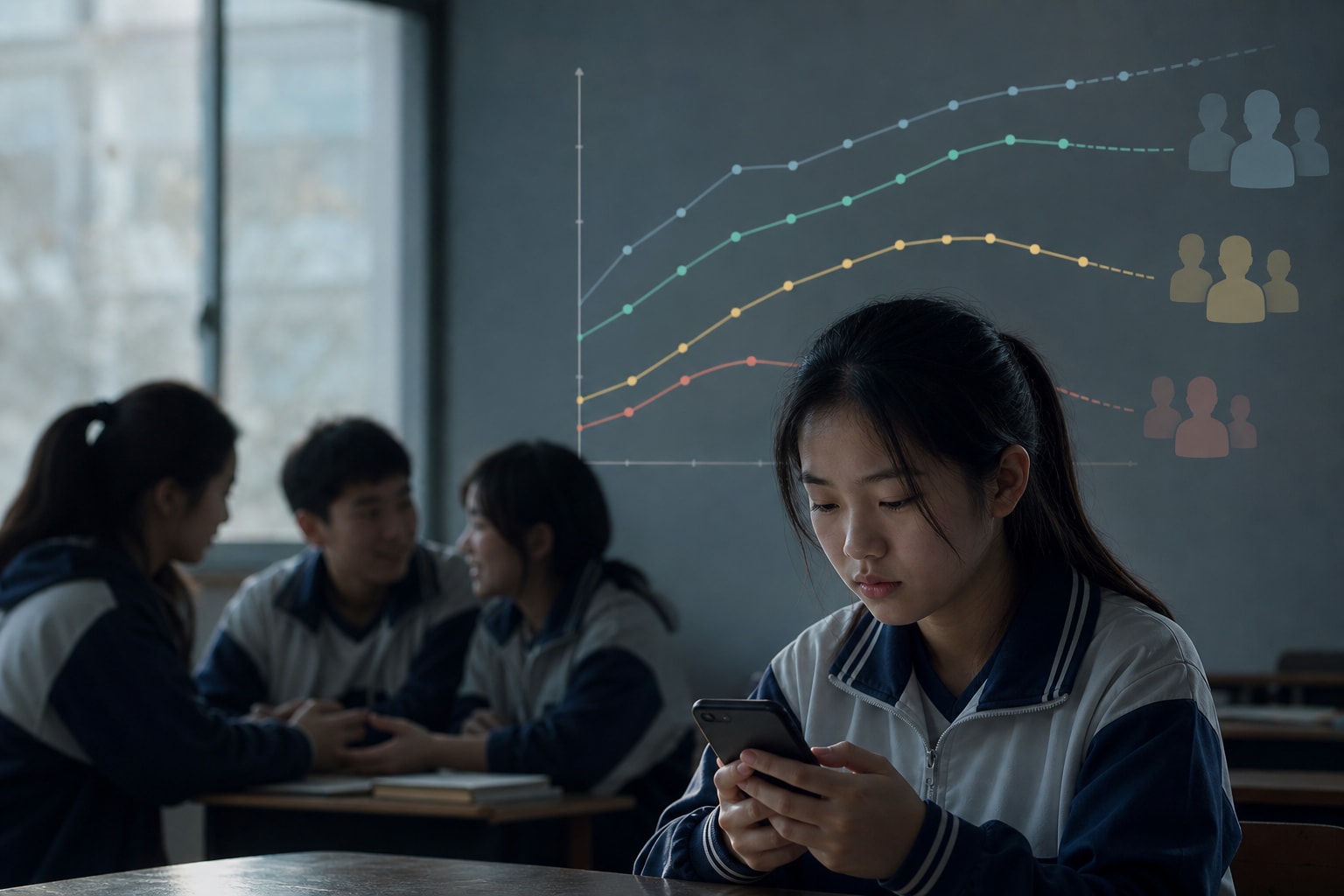
Reinjury risk varies by initial injury type, with distinct trajectories observed for blunt and stabbing injuries.
Most studies have focused on single injury types, limiting the understanding of reinjury across different mechanisms.
Clinical Implications
Healthcare providers should consider the type of initial violent injury when assessing the risk of reinjury in patients. Understanding the mechanisms of injury can inform targeted prevention strategies and improve patient outcomes.
Conclusion
The relationship between initial injury classification and subsequent violent reinjury underscores the complexity of addressing violent injuries in clinical settings. Further research is needed to explore these dynamics across diverse populations.
by Nicholas Szoko, Daphne Lew, Taylor Kaser, Zoe M. Miller, Matt Vogel, Michael A. Mancini, Lindsay M. Kranker, Christopher Behr, Vicki Moran, Rachel Ancona, Kristen Mueller
Federal prosecutors allege that a Florida physician and research staff fabricated clinical trial records that were submitted into database systems used to evaluate investigational drugs.