Unraveling the emerging role of glial heterogeneity in neuropathic pain: from pathological mechanisms to therapeutic Frontiers
-
By
-
Zhiwei Li
-
Jiafeng Lu
-
Zhonghua Chen
-
May 28, 2026
Clinical Report: Exploring the New Role of Glial Cell Diversity in Neuropathic Pain
Overview
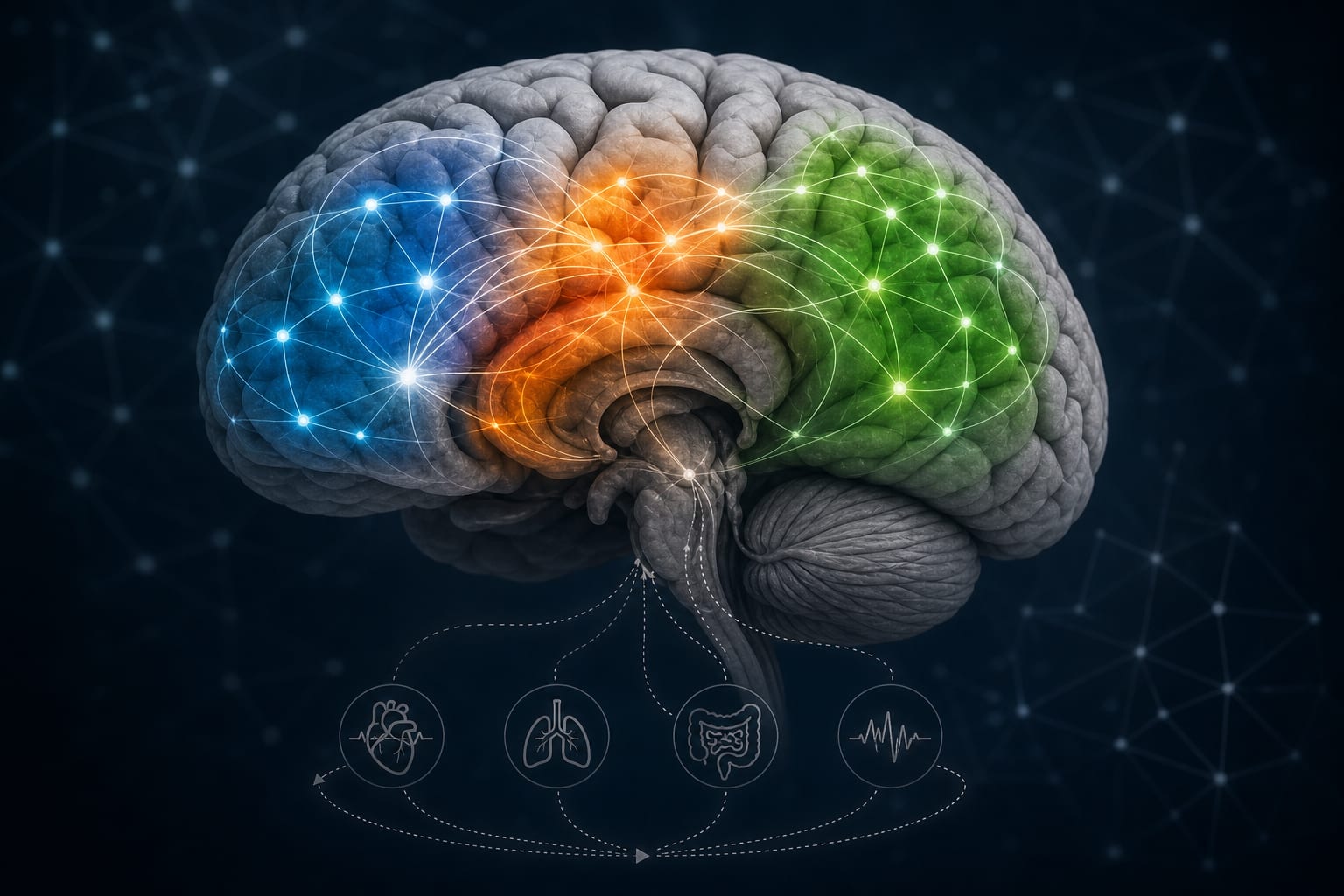
This report highlights the critical role of glial cell diversity in the pathogenesis of neuropathic pain (NP), emphasizing their contributions to neuroinflammation and pain persistence. Emerging therapeutic strategies targeting specific glial populations show promise in advancing treatment options beyond traditional neuron-centric approaches.
Background
Neuropathic pain is a complex condition affecting a significant portion of the population, often leading to debilitating symptoms and substantial healthcare costs. Recent research has shifted the focus from neuronal mechanisms to the active role of glial cells in NP, revealing their heterogeneity and dynamic responses in both the central and peripheral nervous systems. Understanding glial involvement is crucial for developing effective, mechanism-based interventions.
Data Highlights
No numerical data or trial data presented in the article.
Key Findings
- Glial cells, including microglia and astrocytes, play active roles in the initiation and maintenance of neuropathic pain.
- Glial heterogeneity is characterized by spatial, temporal, phenotypic, and molecular diversity, influencing their functions in neuropathic pain.
- Microglial activation is critical during the early phases of pain following peripheral nerve injury.
- Astrocytic reactivity is more closely associated with the chronic maintenance of pain hypersensitivity.
- Targeting specific glial subpopulations or their activation states may provide new therapeutic avenues for neuropathic pain management.
Clinical Implications
Clinicians should consider the role of glial cells in neuropathic pain when developing treatment plans. Targeting glial activation states may enhance therapeutic efficacy and provide alternatives to conventional pain management strategies.
Conclusion
The insights into glial cell diversity and their roles in neuropathic pain underscore the need for a paradigm shift in pain management approaches. Future therapies should focus on glial-targeted interventions to improve patient outcomes.
Related Resources & Content
- Author(s)/Org, Source, Year -- Title
- Frontiers in Immunology — Mechanical cues as immunomodulators in neuroinflammation-driven spinal sensitization: analgesic mechanisms and therapeutic strategies
- Frontiers in Immunology — Repetitive transcranial magnetic stimulation suppresses glia-associated neuroinflammation and promotes peripheral nerve recovery in neuropathic pain
- the analytical scientist — Mass Spec Roundup: From Pain Pathways to Proteoforms
- Brain — Novel insight into TRPV1-induced mitochondrial dysfunction in neuropathic pain
- Mechanical cues as immunomodulators in neuroinflammation-driven spinal sensitization: analgesic mechanisms and therapeutic strategies
- Repetitive transcranial magnetic stimulation suppresses glia-associated neuroinflammation and promotes peripheral nerve recovery in neuropathic pain
- Mass Spec Roundup: From Pain Pathways to Proteoforms
- Pharmacotherapy and non-invasive neuromodulation for neuropathic pain: a systematic review and meta-analysis - ScienceDirect
- Efficacy and Safety of Ca2+ Channel α2δ Ligands for the Treatment of Diabetic Peripheral Neuropathic Pain: A Systematic Review and Network Meta-analysis | Pain and Therapy | Springer Nature Link
- Spinal glia-driven neuroinflammation as a therapeutic target for neuropathic pain: Rational development of novel analgesics - ScienceDirect
This content is an AI-generated, fully rewritten summary based on a published scholarly article. It does not reproduce the original text and is not a substitute for the original publication. Readers are encouraged to consult the source for full context, data, and methodology.