Translation, cross-cultural adaptation and preliminary application of the premature infant oral motor intervention in Chinese neonatal nursing practice: a pilot randomized controlled trial - Report - MDSpire
Advertisement
Translation, cross-cultural adaptation and preliminary application of the premature infant oral motor intervention in Chinese neonatal nursing practice: a pilot randomized controlled trial
Cultural Translation and Initial Validation of the PIOMI in China
Overview
Expand on the implications of improved oral sucking performance for long-term outcomes.
Background
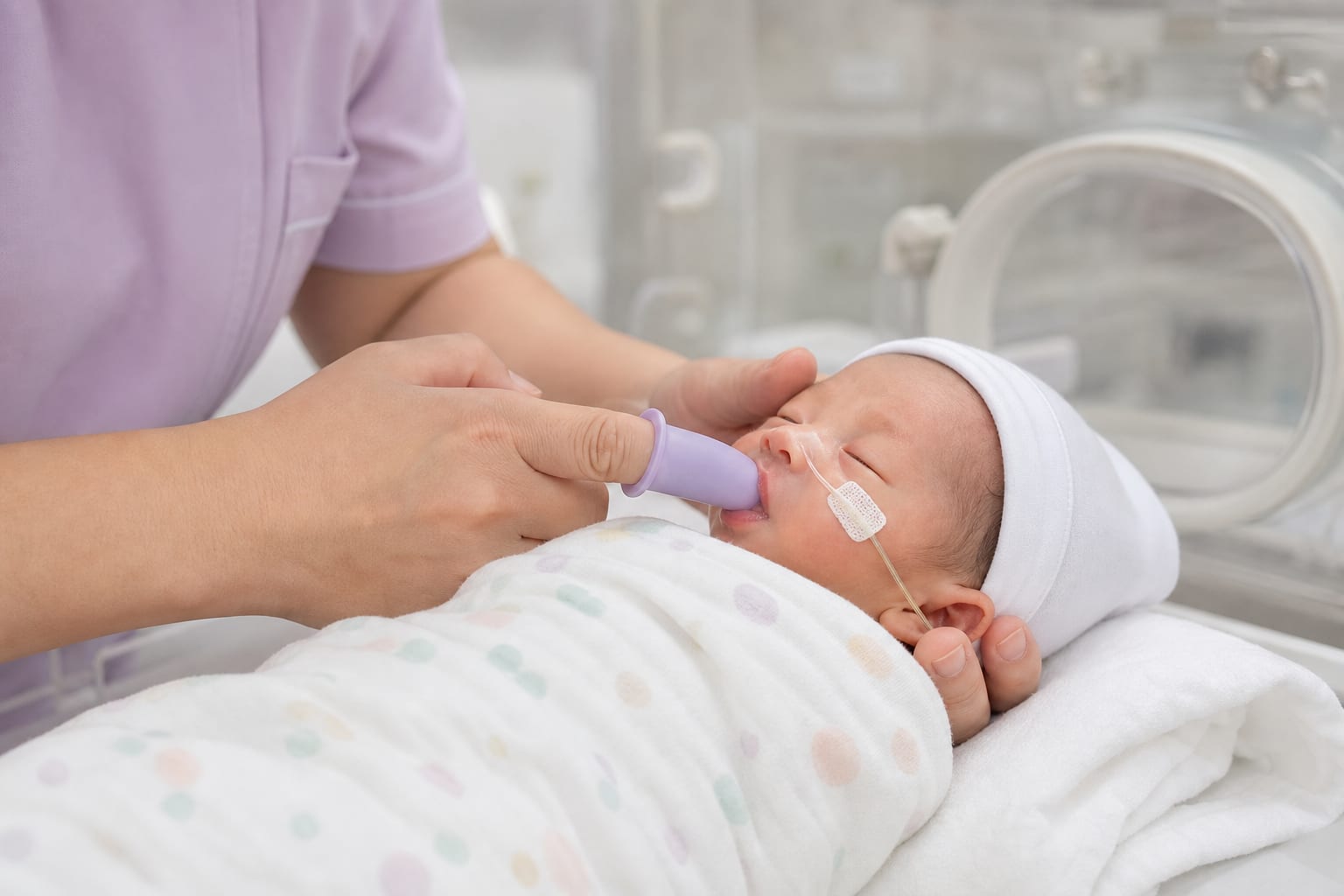
Preterm infants face significant challenges, including impaired suck-swallow-breath coordination, which can lead to feeding difficulties and long-term neurodevelopmental issues. Oral motor interventions, such as the PIOMI, are critical in enhancing feeding performance and supporting neurodevelopment in this vulnerable population. The adaptation of such interventions for local contexts is essential for their effective implementation in neonatal care.
Data Highlights
Measure
Intervention Group
Control Group
Normal sucking patterns
50.0%
21.1%
Key Findings
The Delphi response rate was 85.71% with an I-CVI ranging from 0.88 to 1.00.
Implementation consistency among 117 NICU nurses showed a Pearson correlation coefficient of 0.68 (p < 0.001).
In the pilot RCT, 50.0% of infants in the intervention group exhibited normal sucking patterns compared to 21.1% in the control group (p = 0.008).
The CMV-PIOMI demonstrated satisfactory content validity and acceptable implementation consistency.
Preliminary evidence suggests improved oral sucking performance in very preterm infants receiving the intervention.
Clinical Implications
The successful adaptation of the PIOMI for Chinese neonatal nurses highlights the importance of culturally relevant interventions in improving care for preterm infants. Clinicians should consider implementing the CMV-PIOMI to enhance oral feeding outcomes in very preterm infants, while further research is needed to confirm these findings in larger trials.
Conclusion
Stress the importance of continued research and outline potential future studies.