Clinical Report: Immunometabolic Factors in Gouty Arthritis: Current Insights
Overview
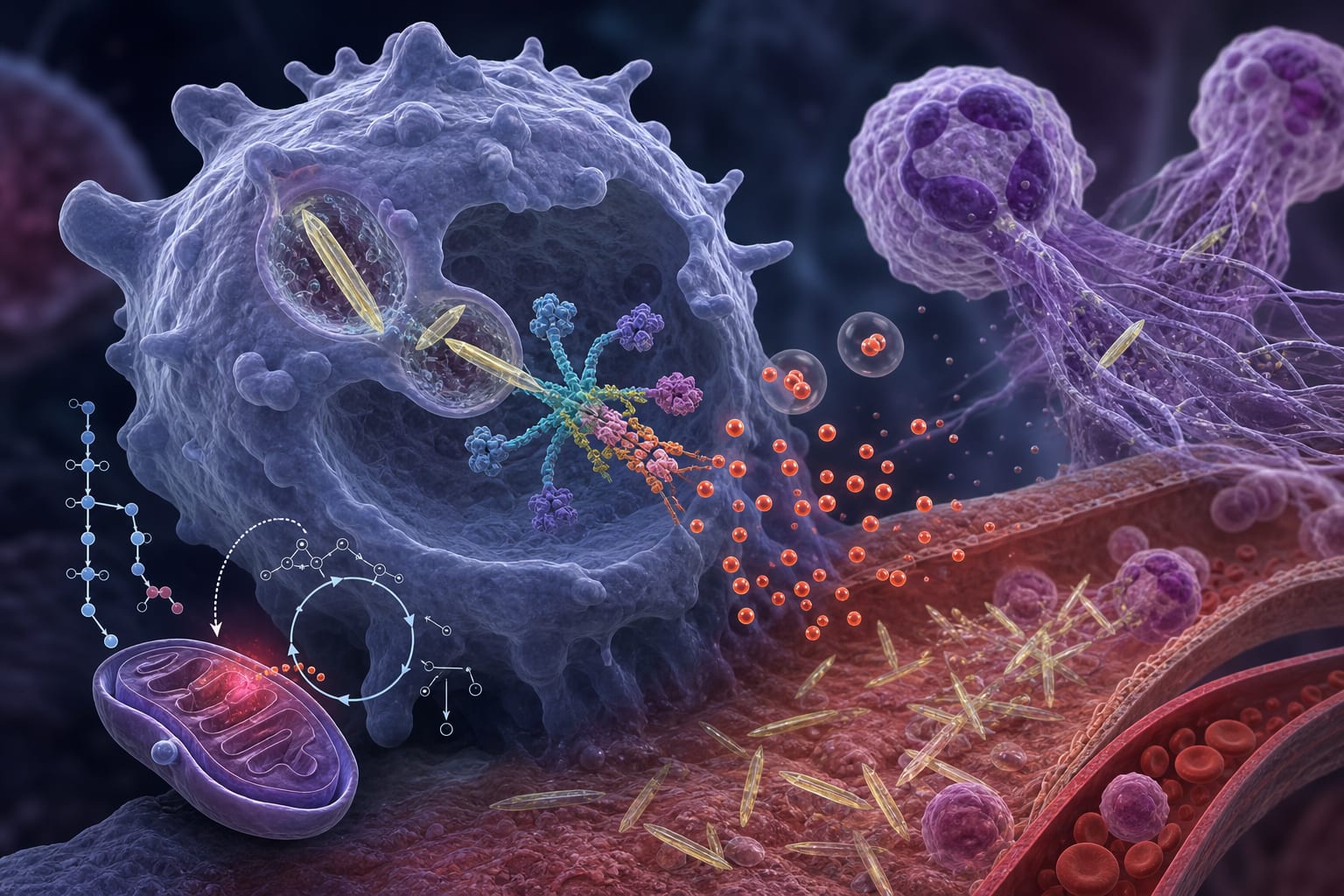
This review discusses the role of immunometabolism in gouty arthritis, highlighting how metabolic pathways influence inflammation and the immune response to monosodium urate (MSU) crystals.
Background
Gouty arthritis is characterized by inflammation due to MSU crystal deposition, leading to acute joint symptoms. Understanding the immunometabolic factors involved is crucial as they may explain variability in clinical presentations and responses to treatment.
Data Highlights
No numerical data or trial data presented in the source material.
Key Findings
MSU crystal deposition triggers the NLRP3 inflammasome–IL-1β axis, leading to acute inflammation.
Glycolysis in macrophages supports pro-IL-1β expression and inflammatory mediator production.
Neutrophils utilize glycolysis for rapid effector functions, including chemotaxis and ROS production.
Systemic metabolic abnormalities may influence susceptibility to recurrent gout flares.
Inflammation resolution involves processes such as efferocytosis and lipid mediator switching.
Clinical Implications
Clinicians should consider the role of immunometabolic factors when managing gouty arthritis.
Conclusion
Further research is needed to clarify the specific mechanisms and their implications for treatment.