Clinical Report: Worldwide Patterns and Neurobiological Advances in Manual Therapy for Sleep Disorders
Overview
This bibliometric analysis reveals a growing body of research on manual therapy as a non-pharmacological intervention for sleep disorders.
Background
Sleep disorders significantly impact both nocturnal rest and daytime functioning, contributing to emotional dysregulation and adverse mental health outcomes. The increasing prevalence of sleep disorders has prompted interest in complementary and alternative medicine, particularly manual therapy, as a potential treatment option.
Data Highlights
Publication Count
Institutions
Countries
594
321
63
Key Findings
Manual therapy is gaining recognition as a complementary treatment for sleep disorders.
Research shows a consistent annual increase in publications and citation impact related to manual therapy.
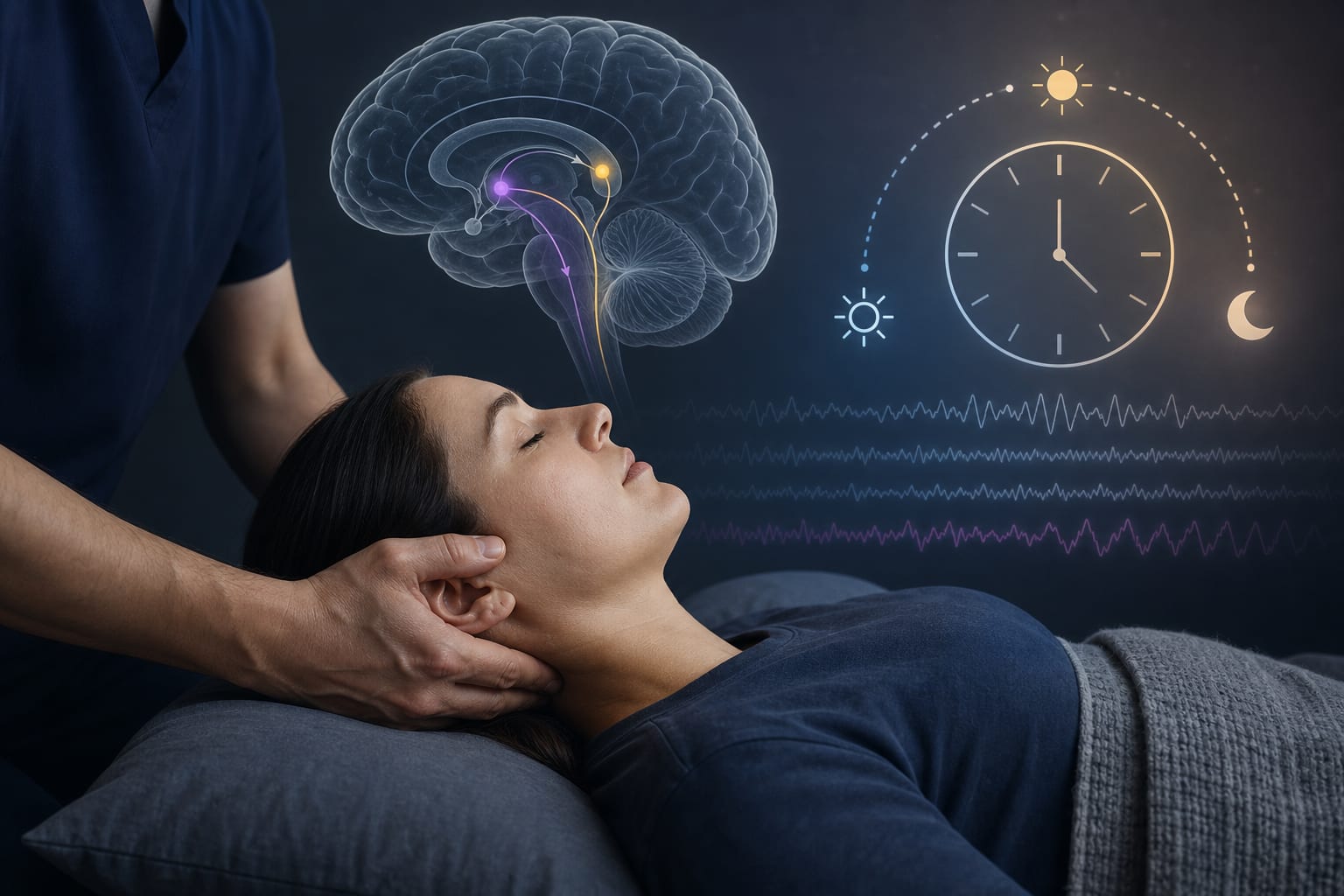
Key research areas include neurobiological mechanisms and circadian rhythm regulation.
Clinical Implications
Clinicians should consider integrating manual therapy into treatment plans while remaining aware of the need for further validation through rigorous clinical trials.
Conclusion
The evolving research landscape indicates that research on manual therapy for sleep disorders is evolving toward multidimensional and interdisciplinary integration.
Jorge Bilbao, D.O., has joined Baptist Health Miami Neuroscience Institute as a physical medicine and rehabilitation physician whose clinical interests include musculoskeletal medicine, inpatient rehabilitation and electrodiagnostic medicine.