Clinical Report: Advancements in Hepatobiliary Surgery Amidst Immunotherapy
Background
Hepatobiliary malignancies, including HCC and BTC, present significant challenges in surgical management, particularly as immunotherapy becomes more prevalent. Understanding the interplay between surgical resectability and immunotherapy is crucial for improving patient outcomes and managing recurrence risks. The integration of immune checkpoint inhibitors and other therapies necessitates a reevaluation of traditional surgical approaches.
Data Highlights
No numerical data or trial data presented in the source material.
Key Findings
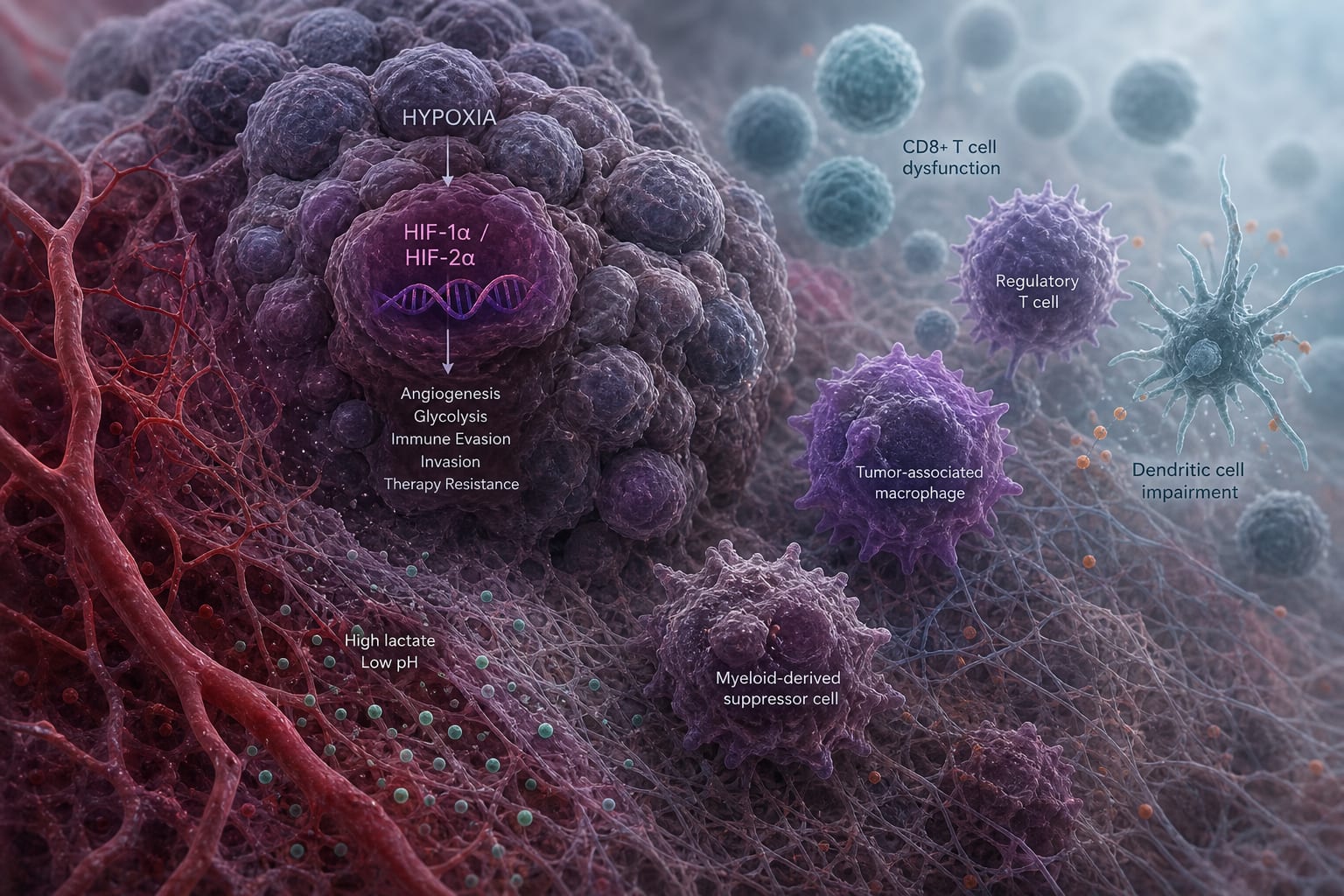
Immuno-surgical resectability incorporates immune-related factors alongside traditional surgical criteria.
Pathological regression after neoadjuvant immunotherapy in HCC is linked to improved relapse-free survival.
Adjuvant immunotherapy data for HCC remains inconclusive, with recent studies questioning routine use.
In BTC, neoadjuvant immunotherapy may convert non-resectable tumors into resectable ones, but routine use is not yet established.
Timing of surgery is critical; operating too early or too late can negatively impact patient outcomes.
Clinical Implications
Surgeons must consider immune monitoring and the timing of surgical interventions in patients receiving immunotherapy for hepatobiliary cancers. A multidisciplinary approach is essential to balance surgical feasibility with the effects of immunotherapy on tumor biology.
Conclusion
The integration of immunotherapy into the surgical management of hepatobiliary cancers necessitates a paradigm shift in how resectability is assessed and managed. Ongoing research will further clarify the optimal strategies for combining these treatment modalities.