Developing Digital Speech Biomarkers for Neurodegenerative Disorders
Overview
This study presents an AI-driven acoustic framework that extracts interpretable speech markers to detect and differentiate communication impairments in neurodegenerative diseases such as ALS and Parkinson's disease. The markers demonstrated high accuracy in identifying disease-specific patterns and subclinical changes, supporting early diagnosis and personalized management.
Background
Neurodegenerative diseases progressively impair communication, significantly affecting quality of life. Current clinical assessments are subjective and lack sensitivity to early subclinical changes. Advances in AI offer objective speech analysis but face challenges including limited data and lack of interpretability. This study addresses these issues by developing clinically grounded, explainable speech biomarkers to enable early detection, monitoring, and phenotyping of communication disorders.
Markers differentiated ALS and Parkinson's disease with a multiclass AUC greater than 0.90.
Unsupervised clustering identified distinct speech profiles within each disease, enabling phenotyping.
Markers correlated with standardized cognitive, motor speech, and communicative function metrics.
The framework offers an interpretable, objective tool suitable for clinical translation.
Clinical Implications
The developed speech biomarkers enable early and objective detection of communication impairments, facilitating timely intervention. Their ability to differentiate disease-specific patterns supports improved diagnostic accuracy. Additionally, phenotyping within diseases can guide personalized treatment strategies and monitoring over time.
Conclusion
This AI-based acoustic framework provides a clinically interpretable and effective approach for early detection, differential diagnosis, and phenotyping of progressive communication disorders in neurodegenerative diseases, advancing personalized care.
References
Berisha and Liss 2023 -- Explainable Speech Markers for AI-Based Modeling
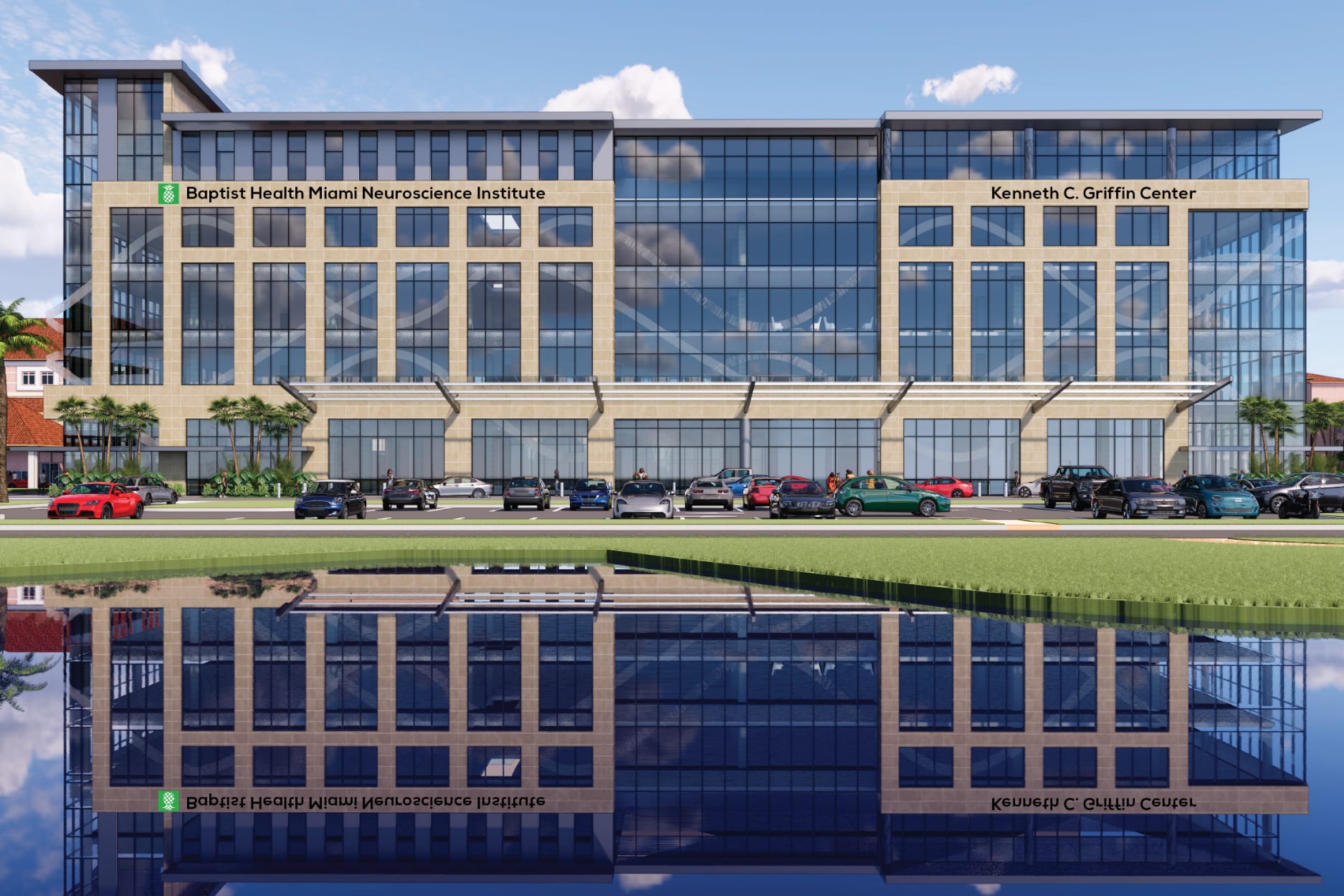
Baptist Health Foundation announced that it has received a $2 million donation from Anthony and Joyce Esernia to establish a new endowed chair at Baptist Health Miami Neuroscience Institute.