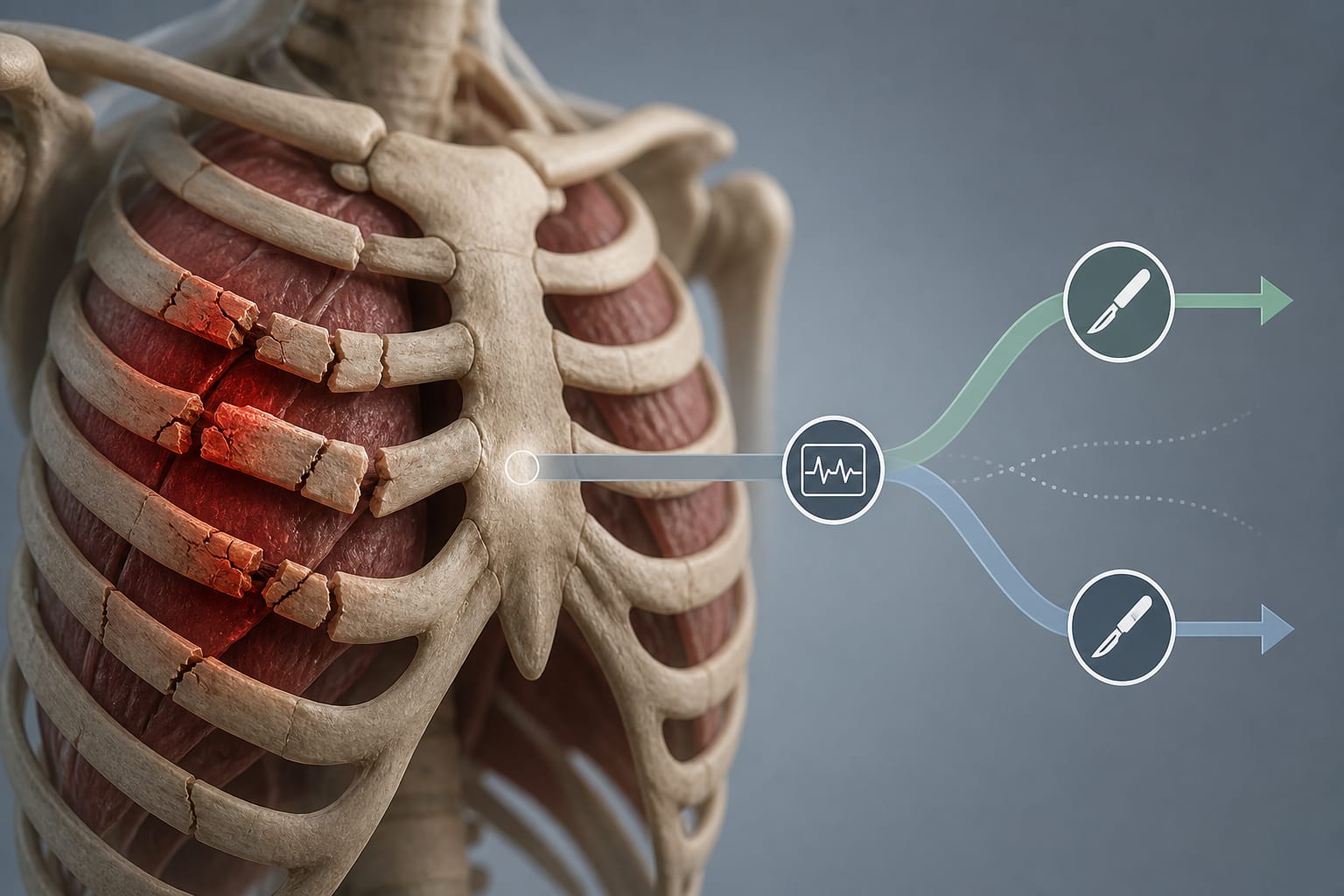
Clinical Report: Overcoming Administrative Hurdles in Metabolic Surgery Evaluation
Overview
This study identifies significant administrative barriers to accessing metabolic and bariatric surgery (MBS) appointments in North and South Carolina, including incorrect contact information and multiple required steps before scheduling.
Background
Obesity is a major public health crisis, affecting nearly 40% of adults in the U.S. Metabolic and bariatric surgery is the most effective intervention for sustained weight loss, yet only 1-2% of eligible individuals pursue it. Understanding the barriers to accessing MBS is crucial.
Data Highlights
Metric
Value
Centers Contacted
35
Successful Contacts
24 (68.6%)
Medicaid Acceptance
94.3%
Median Appointment Wait Time
20 days
Mean Calls to Reach Scheduler
1.7
Centers with Pre-Appointment Requirements
77.1%
Centers Requiring Multiple Steps
22.9%
Centers with Access Barriers
31.4%
Key Findings
68.6% of contacted centers were successfully reached.
Private insurance was accepted by all centers, while 94.3% accepted Medicaid.
The median wait time for an appointment was 20 days.
77.1% of centers had pre-appointment requirements, including online applications and seminar attendance.
31.4% of centers were unreachable after multiple contact attempts.
22.9% of centers required completion of at least two steps before scheduling an appointment.
Clinical Implications
Healthcare providers should be aware of the administrative barriers that may hinder patient access to metabolic and bariatric surgery.
Conclusion
The study reveals that administrative hurdles significantly impede access to metabolic and bariatric surgery.