Tocilizumab but not Siltuximab prevents systemic inflammation in a humanized mouse model - Report - MDSpire

Tocilizumab but not Siltuximab prevents systemic inflammation in a humanized mouse model

  • By

  • Liang Zhang

  • Jacqueline Wax

  • Torsten Goldmann

  • Afsaneh Mehrpouyan

  • Antje Müller

  • Frank Petersen

  • Gabriela Riemekasten

  • Xinhua Yu

  • June 5, 2026

  • 0 min

Share

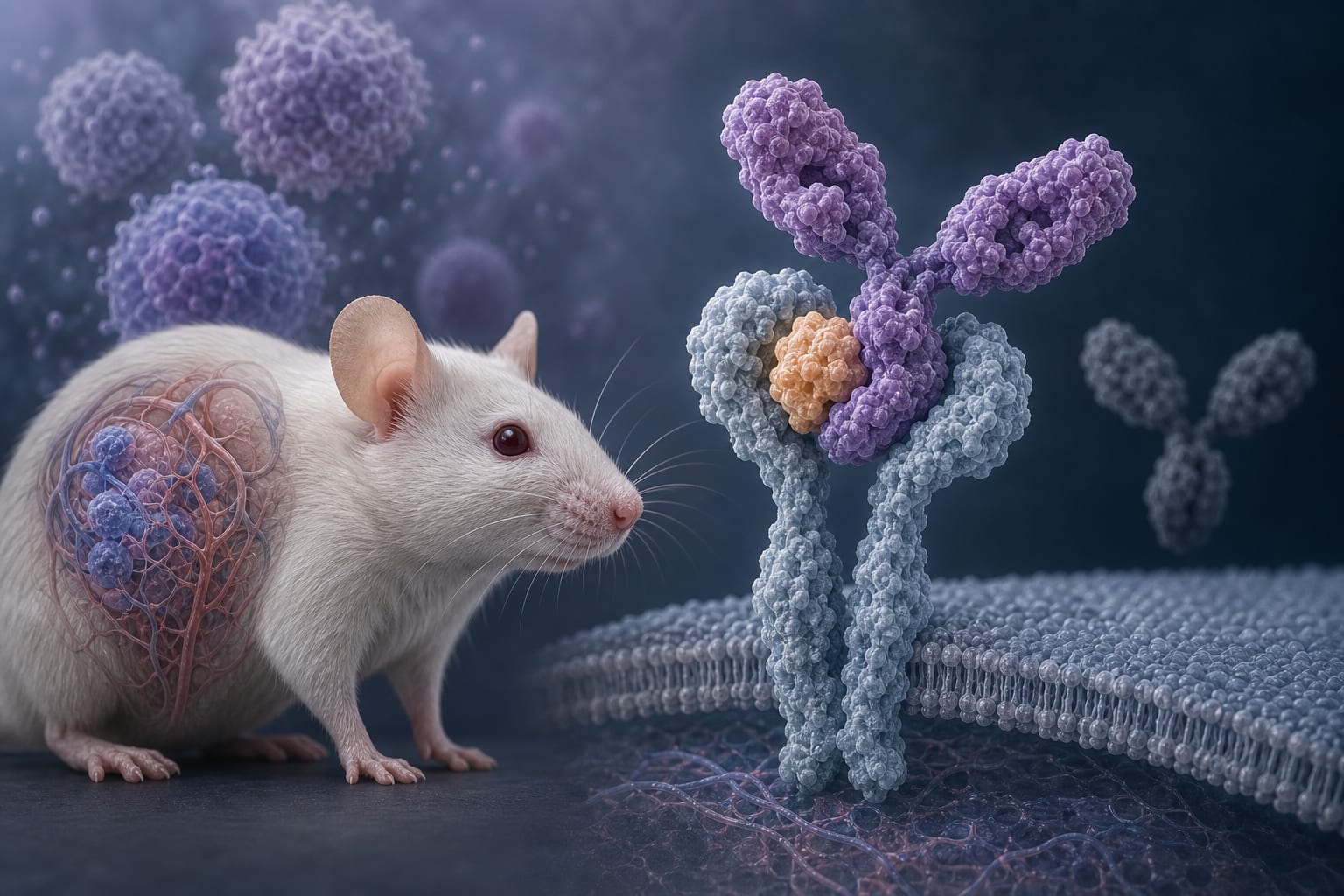
Tocilizumab Effectively Mitigates Systemic Inflammation in a Humanized Mouse Model

Overview

Revise to clarify the comparison between Tocilizumab and Siltuximab, emphasizing the implications for disease development.

Background

Systemic chronic inflammation (SCI) is a critical factor in various pathological conditions, including autoimmune diseases like systemic sclerosis (SSc). Understanding the mechanisms of SCI and evaluating potential therapies is essential for improving patient outcomes. Humanized mouse models provide a valuable platform for studying human-specific therapeutic interventions in systemic inflammation.

Data Highlights

TreatmentEffect on Disease Severity
TocilizumabReduced anti-nuclear antibody production and mitigated disease severity
SiltuximabNo prevention of disease development

Key Findings

  • Tocilizumab effectively reduced systemic inflammation in a humanized mouse model.
  • Siltuximab did not prevent disease development and was associated with immune complex accumulation.
  • Cytokine responses were predominantly of human origin in the humanized mouse model.
  • The study highlights the pivotal role of IL-6 signaling in systemic inflammation related to SSc.
  • The humanized mouse model serves as a valuable preclinical platform for evaluating therapeutic interventions.

Clinical Implications

The findings support the use of Tocilizumab as a therapeutic option for managing systemic inflammation in conditions like SSc. Clinicians should consider the differential efficacy of IL-6 targeting therapies when developing treatment plans for patients with systemic chronic inflammation.

Conclusion

Tocilizumab demonstrates significant therapeutic potential in mitigating systemic inflammation, while Siltuximab's lack of efficacy highlights the importance of targeting IL-6 receptor signaling. Further studies are warranted to explore these findings in clinical settings.

Related Resources & Content

  1. Journal of Gastroenterology, 2018 -- Emerging Therapeutic Strategies for Inflammatory Bowel Disorders
  2. Clinical Rheumatology, 2014 -- Evaluating Tocilizumab Alone Versus Combination with Disease-Modifying Antirheumatic Drugs in Rheumatoid Arthritis Patients with Insufficient Response to Prior Treatments: An Open-Label Study Reflecting Clinical Practice
  3. Frontiers in Immunology, 2026 -- Development of an improved preclinical humanized mouse platform representing the diverse clinical phenotypes of Sjögren’s syndrome
  4. Blood Cancer Journal, 2023 -- Preventive Use of Tocilizumab to Mitigate Cytokine Release Syndrome (CRS) in Patients Receiving Teclistamab: Insights from a Single-Center Study
  5. Therapeutics and COVID-19: living guideline, August 2025
  6. EULAR recommendations for the management of rheumatoid arthritis with synthetic and biologic disease-modifying antirheumatic drugs: 2025 update - PubMed
  7. Interleukin-6 Receptor Antagonists in Critically ill Patients with COVID-19 - REMAP-CAP
  8. Therapeutics and COVID-19: living guideline, August 2025
  9. EULAR recommendations for the management of rheumatoid arthritis with synthetic and biologic disease-modifying antirheumatic drugs: 2025 update - PubMed
  10. Interleukin-6 Receptor Antagonists in Critically ill Patients with COVID-19 - REMAP-CAP

Original Source(s)

Related Content