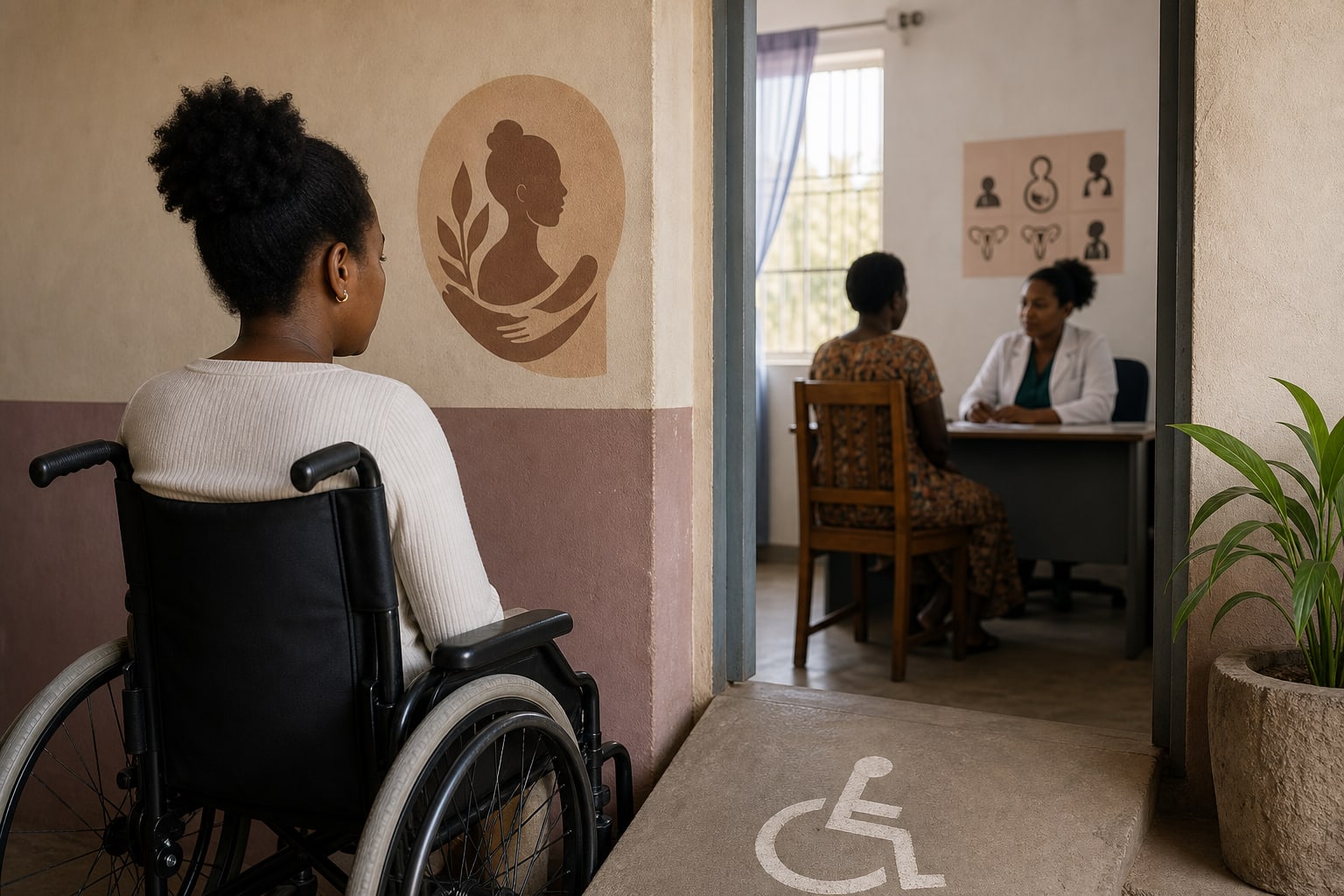
Factors Influencing Access to Sexual and Reproductive Health Services for Women with Intellectual Disabilities
Overview
This study explores the barriers and facilitators affecting access to sexual and reproductive health services for women with intellectual disabilities in Gondar, Ethiopia.
Background
Access to sexual and reproductive health (SRH) services is crucial for overall well-being, yet women with disabilities face unique challenges that limit their access. Women with intellectual disabilities experience compounded discrimination, making them particularly vulnerable to inadequate healthcare services.
Data Highlights
No numerical data was provided in the source material.
Key Findings
Women with intellectual disabilities face stigma and discrimination in accessing SRH services.
Barriers include lack of education on sexual and reproductive health and limited access to contraception.
Community-based rehabilitation plays a role in influencing access to SRH services.
Women reported experiences of sexual abuse and the need for prevention measures.
Pregnancy and parenthood are significant concerns that require tailored support for women with intellectual disabilities.
Clinical Implications
Healthcare providers should be aware of the unique barriers faced by women with intellectual disabilities when accessing SRH services.
Conclusion
The study highlights the need for addressing the barriers to sexual and reproductive health services for women with intellectual disabilities.
Swedish study finds two-way associations between premenstrual disorders and psychiatric conditions, with strongest links involving depression, anxiety, attention-deficit/hyperactivity disorder, bipolar disorder, and personality disorders.