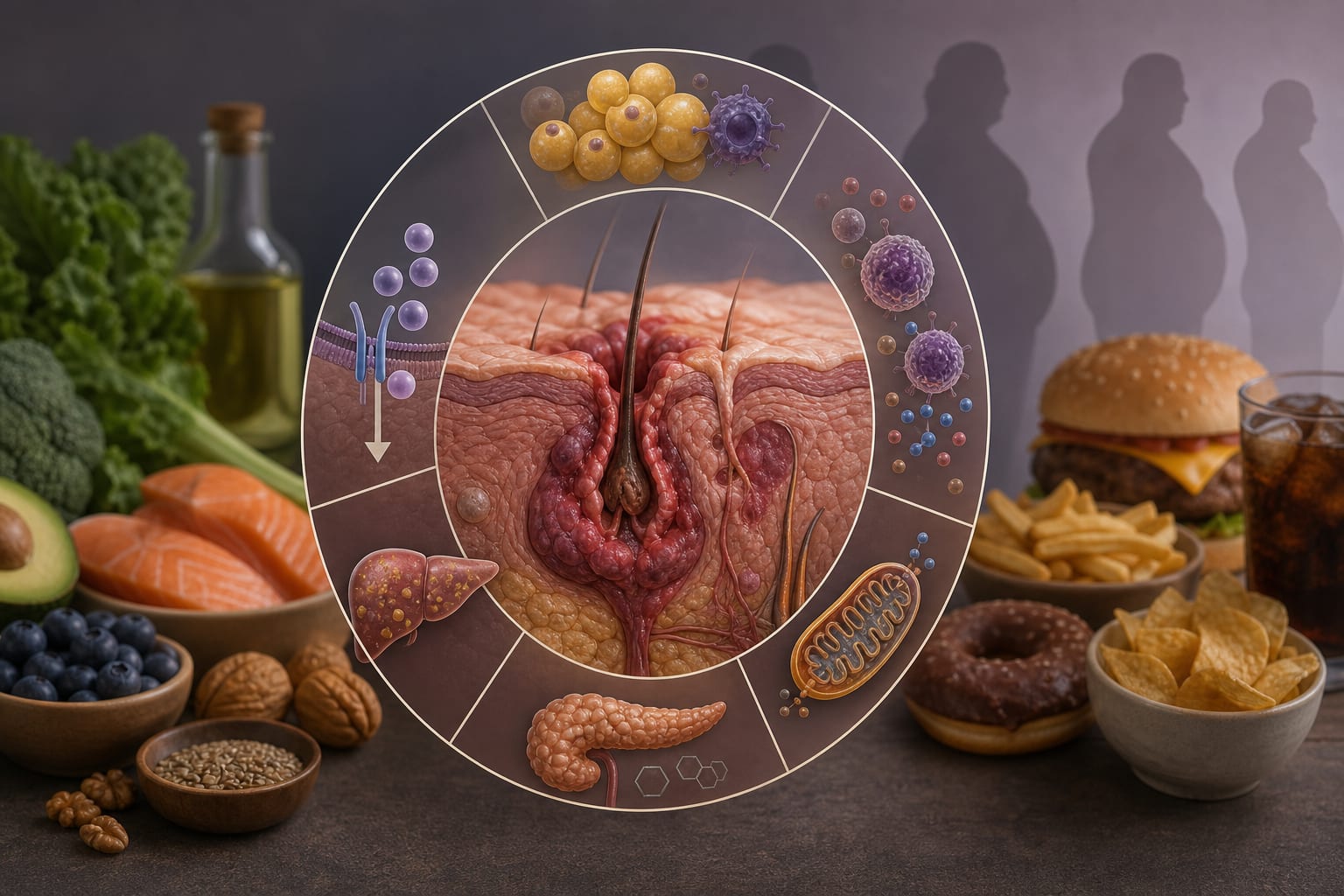
Clinical Report: Patterns of Surgical Recurrence in Hidradenitis Suppurativa
Overview
This study analyzes surgical recurrence patterns in 206 cases of hidradenitis suppurativa (HS), revealing an overall recurrence rate of 18.5%. Distinct recurrence types, tunnel and abscess/inflammatory nodule (AN), were linked to specific clinical factors, highlighting the importance of tailored surgical planning.
Background
Hidradenitis suppurativa is a chronic inflammatory condition that significantly impacts patients' quality of life. Surgical intervention is crucial for managing advanced cases, yet postoperative recurrence remains a challenge. Understanding recurrence patterns is essential for improving surgical outcomes and patient management.
Data Highlights
Recurrence Type
Rate
Associated Factors
Overall Recurrence
18.5%
N/A
Tunnel Recurrence
8.3%
Hurley III, larger excisions
AN Recurrence
10.2%
Obesity, limited ultrasound use
Key Findings
Overall recurrence rate after surgery for HS was 18.5%.
Tunnel recurrence occurred in 8.3% of cases, linked to more severe disease and larger excisions.
AN recurrence was observed in 10.2% of cases, associated with obesity and limited preoperative ultrasound use.
Distinguishing between tunnel and AN recurrence types enhances evaluation of surgical outcomes.
Preoperative ultrasound and effective inflammatory control are critical in minimizing recurrence risk.
Clinical Implications
Surgeons should consider the distinct recurrence patterns when planning surgical interventions for HS. Implementing preoperative ultrasound and managing inflammation effectively may reduce recurrence rates and improve patient outcomes.
Conclusion
This study underscores the importance of understanding surgical recurrence patterns in HS, which can inform better surgical strategies and enhance patient care.
The nurse practitioner profession claims the No. 1 spot across three categories in the U.S. News & World Report 2026 Best Jobs rankings for the third consecutive year.