Clinical Report: Epidemiological Trends of Pediatric Infectious Diseases in Shanghai
Overview
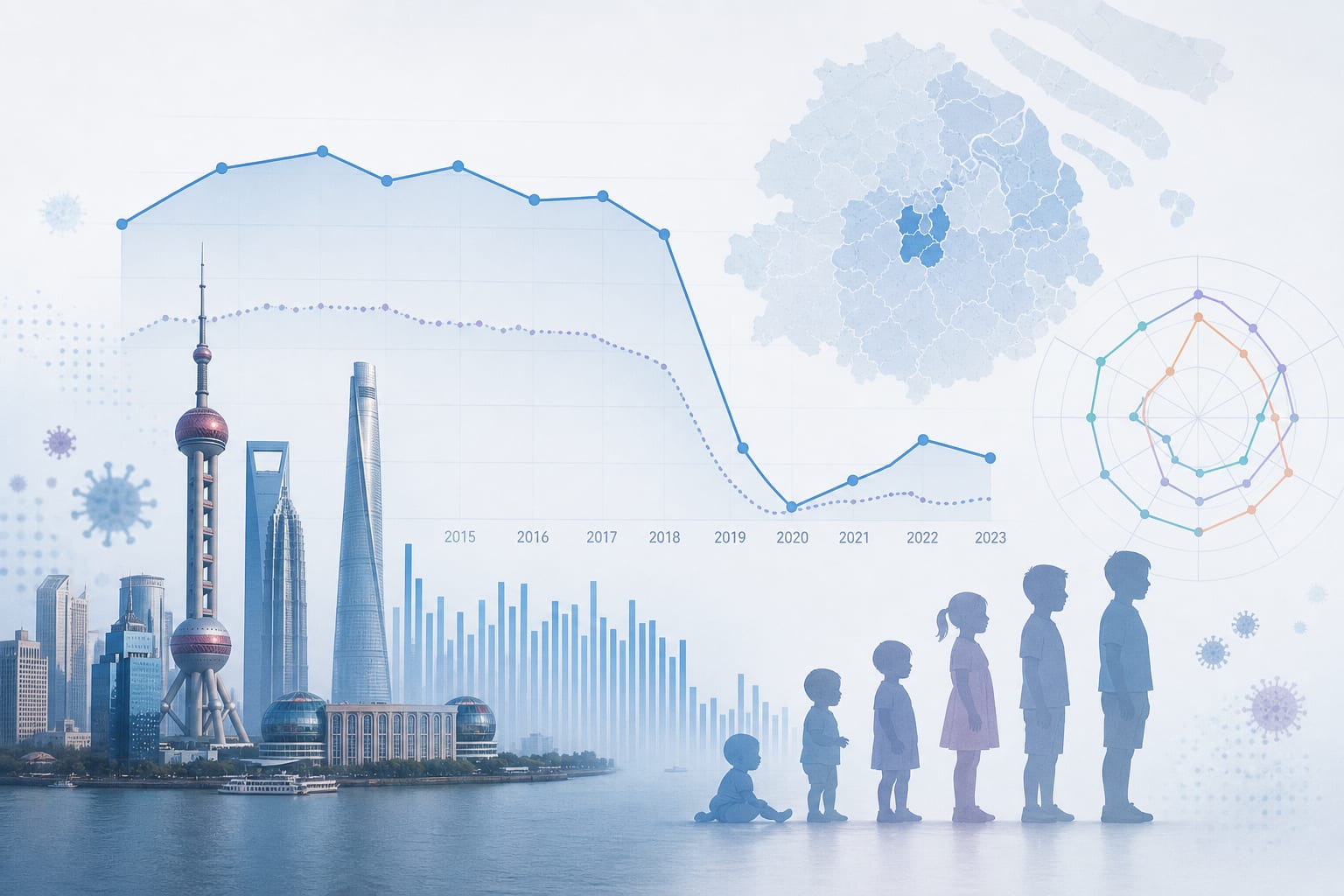
This longitudinal study from 2015 to 2023 reveals significant trends in pediatric infectious diseases in Xuhui District, Shanghai, highlighting a decline in incidence until 2021 followed by a sharp increase attributed mainly to COVID-19 notifications. The findings underscore the need for targeted prevention strategies as disease patterns shift post-pandemic.
Background
Pediatric infectious diseases are a leading cause of morbidity and mortality, particularly in urban settings where children frequently interact in high-contact environments. The COVID-19 pandemic has altered the epidemiological landscape, with potential implications for immunity and disease transmission. Understanding these trends is crucial for developing effective public health strategies.
Data Highlights
{'format': 'Ensure the table is properly formatted for clarity.'}
Key Findings
Total of 27,940 pediatric cases reported from 2015 to 2023.
Average annual incidence of 2,421.68 per 100,000 children.
Significant decline in incidence from 2015 to 2021 (APC = -11.71%).
Sharp increase in incidence post-2021 primarily due to COVID-19 notifications (APC = 141.05%).
Age distribution shifted towards school-aged children, with significant increases in cases among those aged ≥4 years.
Distinct trends observed for specific diseases, with influenza surging post-pandemic while varicella and mumps continued to decline.
Clinical Implications
Healthcare providers should be aware of the changing epidemiological patterns of pediatric infectious diseases, particularly the impact of COVID-19 on disease notifications. Targeted vaccination and surveillance strategies are essential to mitigate the risk of outbreaks and protect vulnerable populations.
Conclusion
The study highlights significant shifts in pediatric infectious disease trends in Xuhui District, emphasizing the need for ongoing surveillance and tailored public health interventions in the post-pandemic landscape.