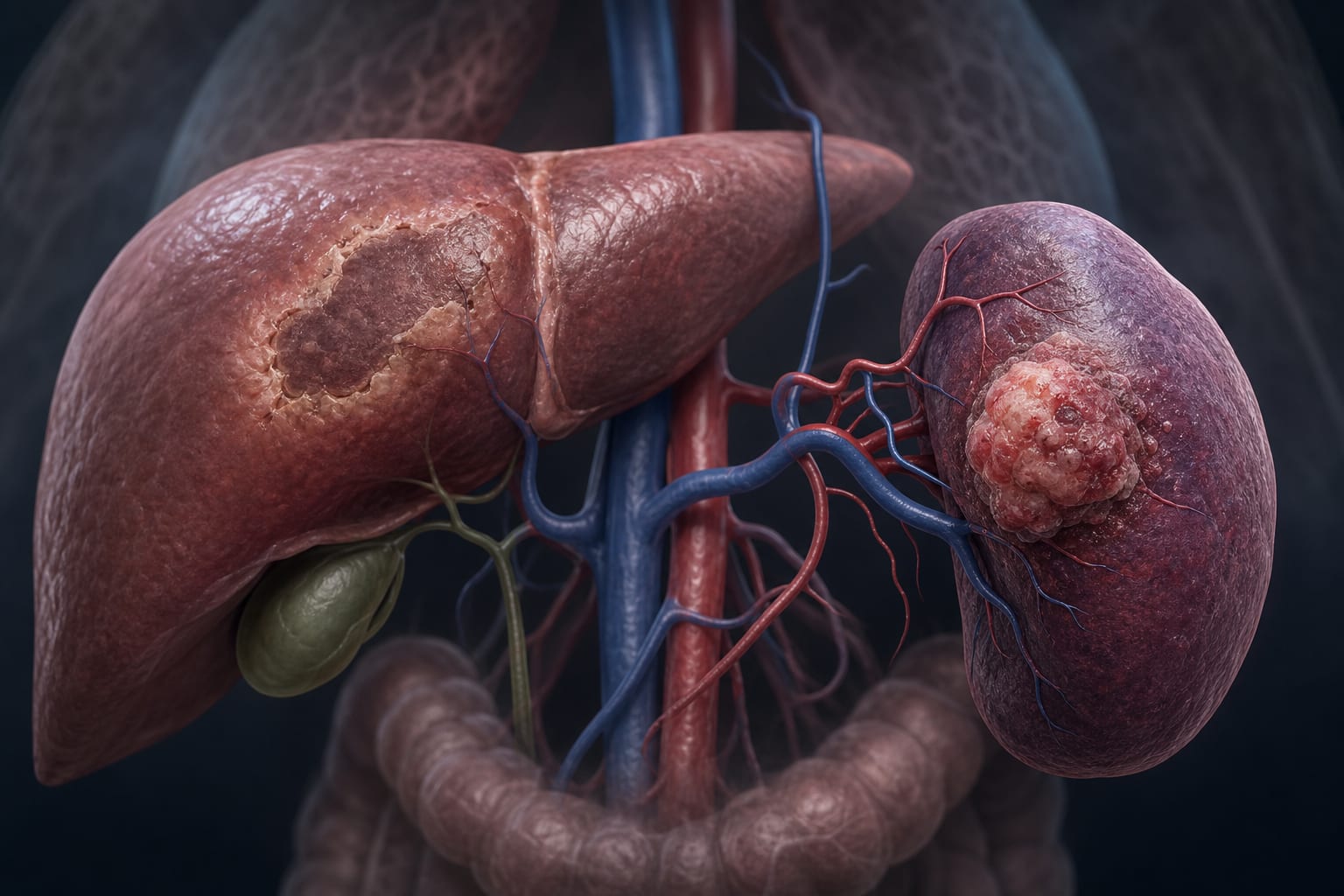
Clinical Report: Oncologists' Understanding of Chemotherapy Resistance
Overview
This study reveals significant gaps in oncologists' knowledge and practices regarding chemotherapy resistance, highlighting demographic factors influencing their understanding. Targeted educational interventions are recommended to improve management strategies in diverse clinical settings.
Background
Chemotherapy remains a cornerstone in cancer treatment, yet its effectiveness is often compromised by chemotherapy resistance, leading to treatment failures and increased mortality. Understanding oncologists' perspectives on this issue is crucial, as their knowledge and attitudes directly impact patient outcomes and treatment decisions.
Data Highlights
Characteristic
Finding
Mean Age of Participants
36.92 ± 9.24 years
Percentage of Female Participants
53.1%
Odds of Good Knowledge (Age ≥56)
OR = 0.76
Odds of Good Knowledge (Female)
OR = 1.22
Odds of Good Knowledge (Post-Doctorate)
OR = 1.57
Key Findings
3,779 oncologists participated in the study, with a mean age of 36.92 years.
53.1% of participants were female, showing higher odds of good knowledge and positive attitudes.
Oncologists aged ≥56 years had lower odds of good knowledge (OR = 0.76).
Post-doctorate holders had greater odds of good knowledge (OR = 1.57) compared to those with only a medical bachelor's degree.
Longer professional experience and previous exposure to chemotherapy resistance cases were associated with better knowledge and attitudes.
Clinical Implications
The findings underscore the need for enhanced educational programs targeting oncologists, especially in regions with limited resources. Improving knowledge and attitudes towards chemotherapy resistance can lead to better patient management and outcomes.
Conclusion
Addressing the identified gaps in oncologists' understanding of chemotherapy resistance is essential for improving treatment strategies. Continuous professional development is vital for enhancing clinical preparedness in managing this complex issue.
by Bassam Abdul Rasool Hassan, Ali Haider Mohammed, Khalis Mohamed, Vladimir Yu. Startsev, Chema Drira, Omar Hamdy, Miada Mohamed Fahmi Elmetwaly, Said Nabil, Shamma Alshehhi, Gamil Othman, Hamoud H. Y. Al-Hussaini, Ahmed Zuhair Abdulhameed Alsammarraie, Arooj Abid, Nada M. Kassem, Sami El Khatib, Souheil Hallit, Diana Malaeb, Hassan Hosseini