Neuro-immune interactions in cancer: mechanisms and therapeutic prospects - Report - MDSpire

Neuro-immune interactions in cancer: mechanisms and therapeutic prospects

  • By

  • Jingting Liu

  • Chun Zhang

  • Chong Zhang

  • Jianying Pei

  • Yan Li

  • June 19, 2026

  • 0 min

Share

Interactions Between the Nervous and Immune Systems in Cancer: Mechanisms and Treatment Opportunities

Overview

This review highlights the complex interplay between the nervous and immune systems in cancer, emphasizing their roles in tumor progression and immune regulation. It discusses emerging therapeutic strategies that target neuro-immune interactions to improve cancer treatment outcomes.

Background

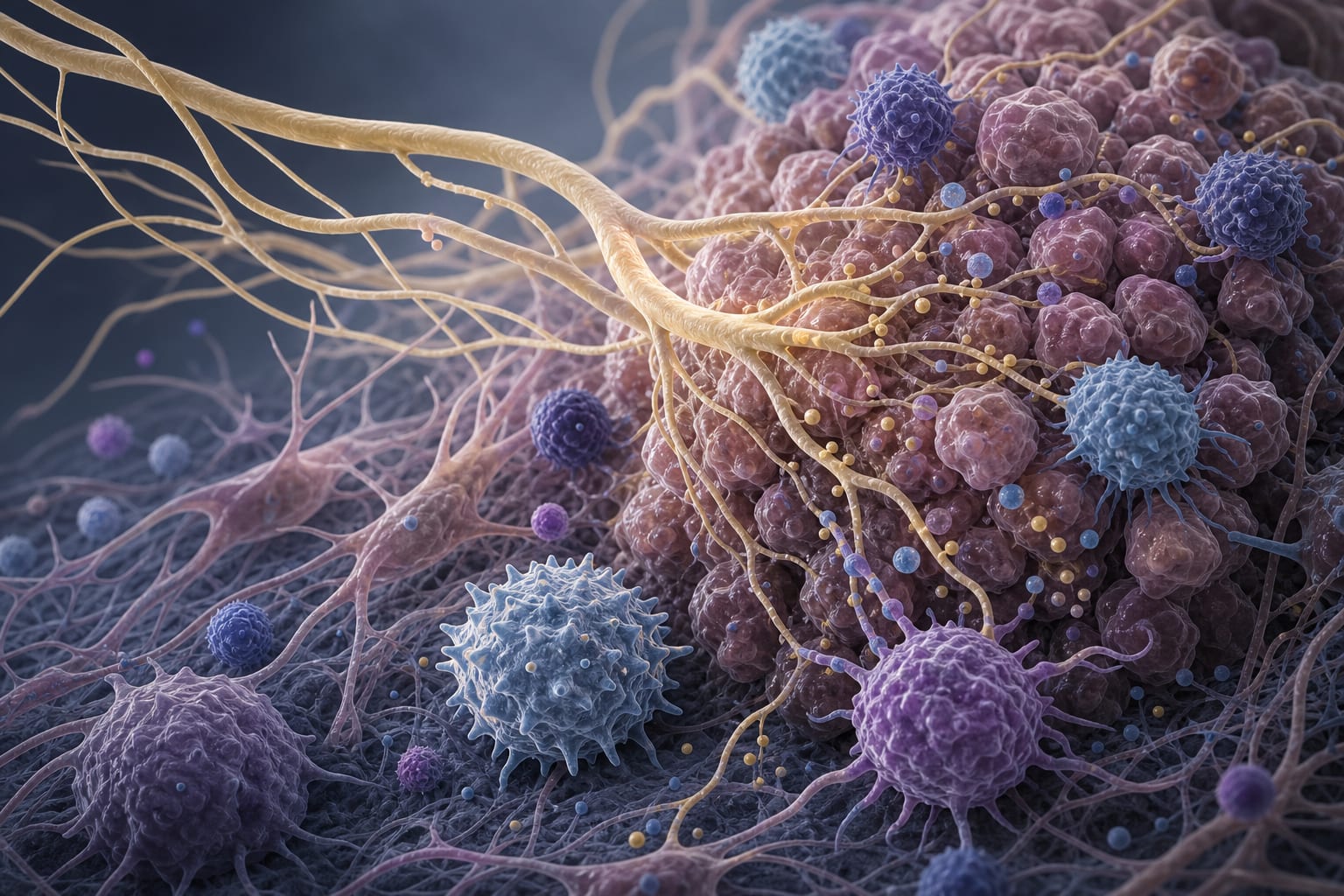
The relationship between the nervous and immune systems is crucial in understanding cancer biology. Tumors are not merely masses of malignant cells; they exist within a complex tumor microenvironment that includes various non-malignant cell types. Recent advancements in cancer neuroscience reveal that neuro-immune interactions significantly influence tumor behavior and therapeutic responses.

Data Highlights

No specific numerical data or trial results were provided in the source material.

Key Findings

  • Neuro-immune interactions play a significant role in tumor progression and immune regulation.
  • Neural elements such as nerve fibers and neurotransmitters are actively involved in the tumor microenvironment.
  • Perineural invasion is recognized as a key route for cancer cell spread.
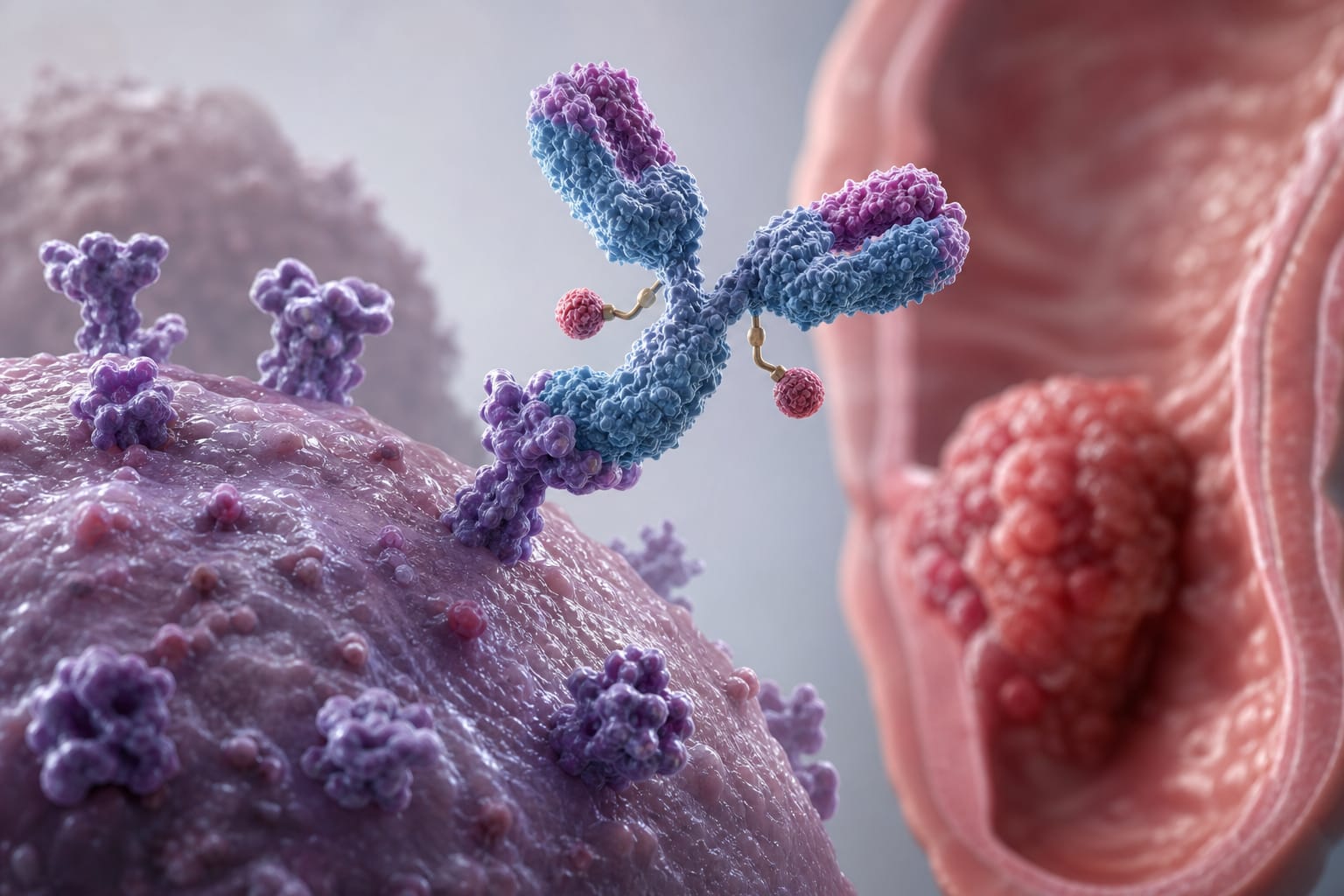
  • Emerging therapeutic strategies target neural inputs and combine neuroimmune modulation with immunotherapy.
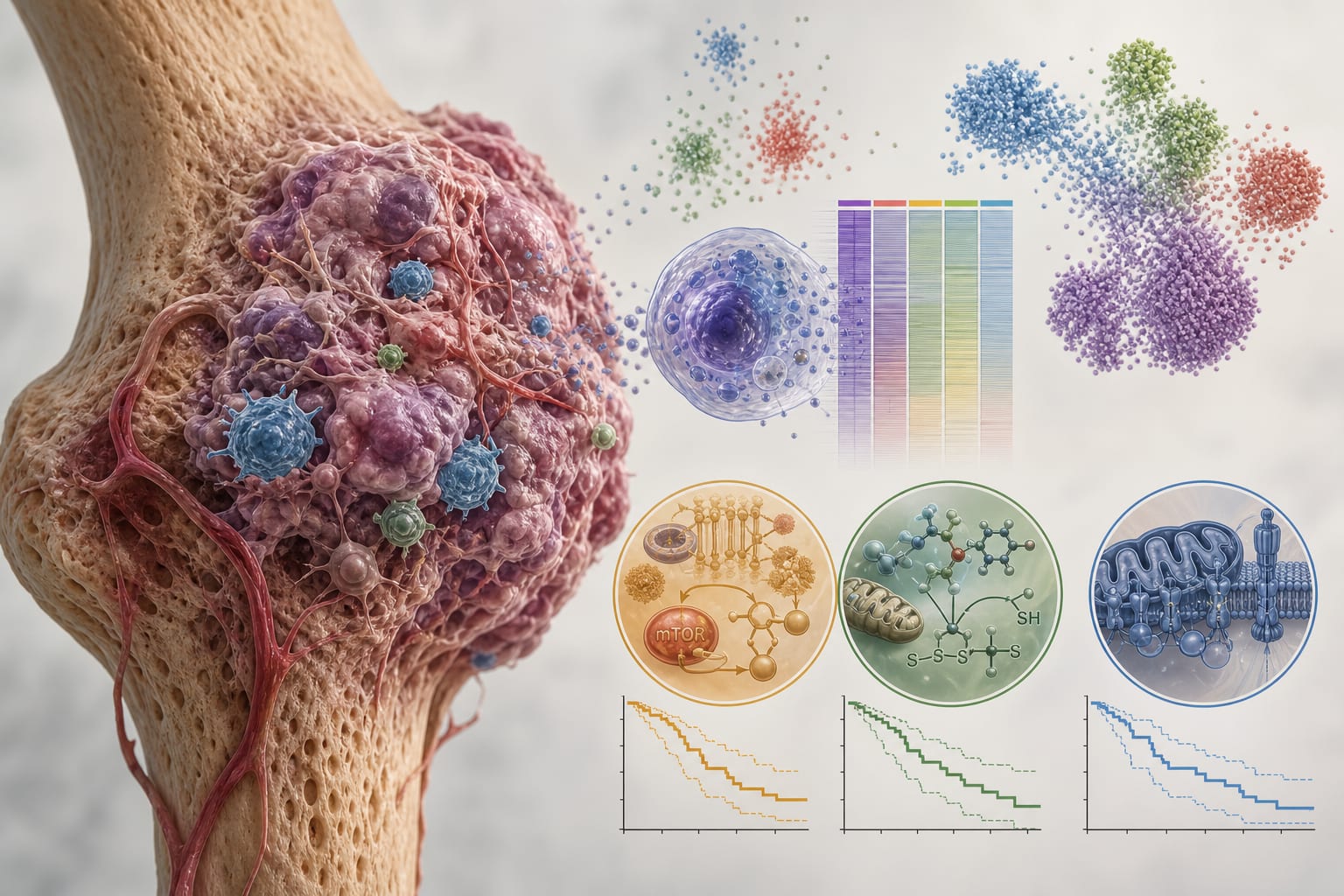
  • Epigenetic regulation impacts the neuroimmune microenvironment in cancer.

Clinical Implications

Understanding the neuro-immune axis in cancer may lead to innovative therapeutic interventions. Targeting these interactions could enhance the efficacy of existing cancer treatments and improve patient outcomes.

Conclusion

The intricate relationship between the nervous and immune systems offers promising avenues for therapeutic interventions in cancer. Continued research is essential to fully harness the potential of neuro-immune modulation.

Related Resources & Content

  1. Frontiers in Immunology, 2026 -- Peripheral nerve remodeling in the tumor microenvironment: neuro-immune crosstalk, molecular mechanisms, and precision therapeutic
  2. The ASCO Post, 2017 -- The Immune System: Deciphering Recent Advances
  3. Immune checkpoint inhibitor-related neurotoxicity: Incidence and management. A systematic review and meta-analysis - ScienceDirect
  4. CCO T-Cell Engaging Antibodies: Management of Cytokine Release Syndrome (CRS) and Immune Effector-Associated Neurotoxicity Syndrome (ICANS) Guideline Summary - Guideline Central
  5. The ASCO Post — The Immune System: Deciphering Recent Advances
  6. Frontiers in Immunology — Editorial: Cancer Immunosurveillance
  7. https://www.geoq.info/pub/documents/IMMUNOTHERAPIE/immunotherapie_lignes-directrices_238.pdf
  8. Immune checkpoint inhibitor-related neurotoxicity: Incidence and management. A systematic review and meta-analysis - ScienceDirect
  9. CCO T-Cell Engaging Antibodies: Management of Cytokine Release Syndrome (CRS) and Immune Effector-Associated Neurotoxicity Syndrome (ICANS) Guideline Summary - Guideline Central
  10. The Efficacy and Safety of Beta-blockers and Immune Checkpoint Inhibitors in Patients with Cancer: A Systematic Review and Meta-analysis - PMC
  11. Impact of beta-blockers on prognostic outcomes in solid cancers: a systematic review and meta-analysis - PubMed
  12. Pancreatic resection with perioperative drug repurposing of propranolol and etodolac - the phase II randomized controlled PROSPER trial - PubMed
  13. https://www.nature.com/articles/s41598-025-30600-6.pdf
  14. Neuro-immune crosstalk in cancer: mechanisms and therapeutic implications

Original Source(s)

Related Content