In-the-wild data collection with digital apps and wearable devices: Insights from a longitudinal study on burnout with office and production workers - Report - MDSpire
Advertisement
In-the-wild data collection with digital apps and wearable devices: Insights from a longitudinal study on burnout with office and production workers
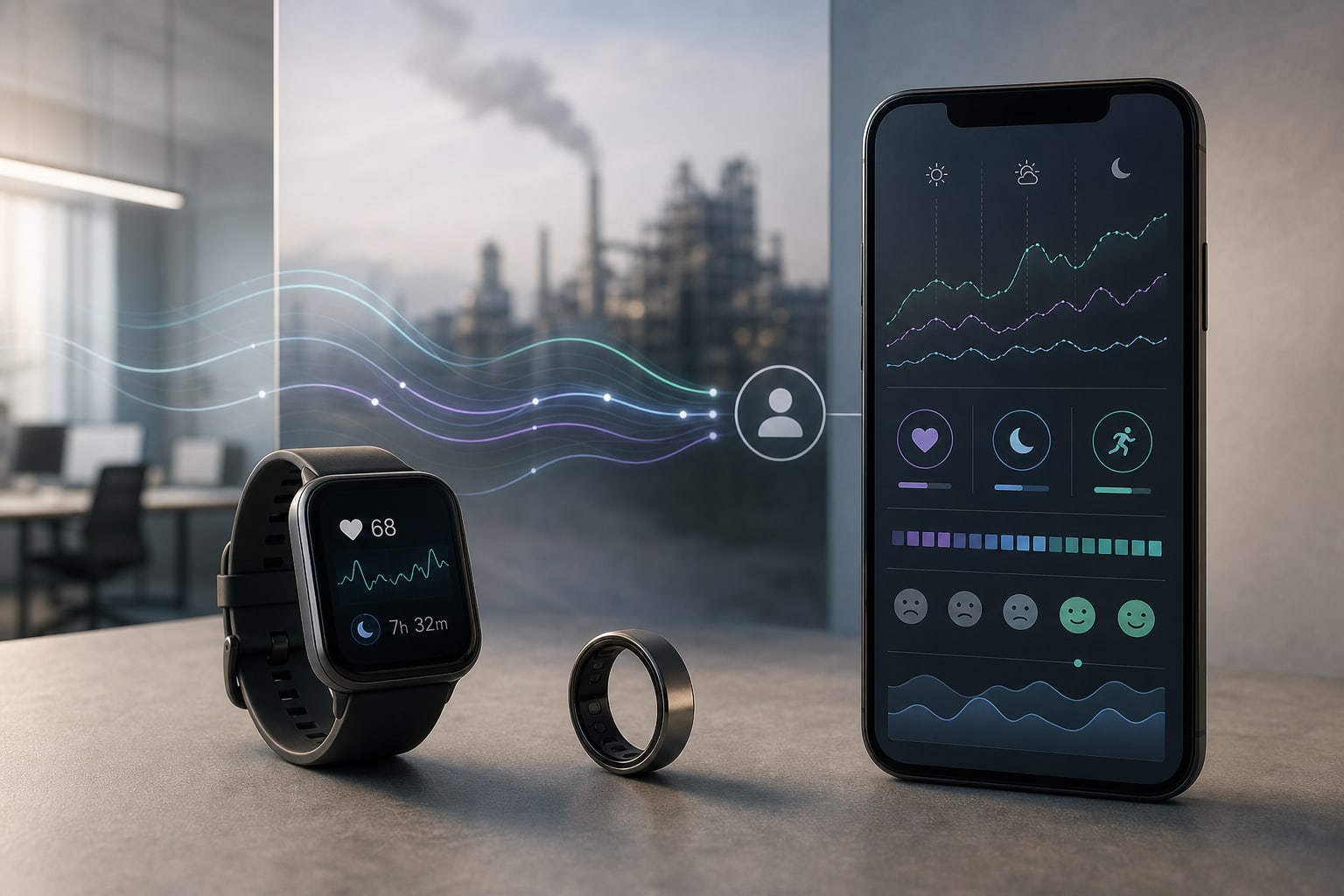
Utilizing Digital Applications and Wearable Technology for Real-World Data Gathering
Background
The integration of wearable technology in mental health research presents opportunities for early diagnosis and intervention. However, variability in adherence to data collection poses significant challenges in developing reliable models for understanding mental health conditions like burnout. Establishing consistent adherence metrics is crucial for enhancing the validity of findings in longitudinal studies.
Data Highlights
No numerical data or trial data available in the provided material.
Key Findings
Adherence to wearable data collection varies significantly across studies, with reported rates ranging from 16% to 95%.
Definitions of adherence differ widely, complicating comparisons between studies.
Factors influencing adherence include age, prior experience with wearables, and personality traits such as conscientiousness.
Guidelines for reporting adherence metrics have been proposed to standardize data collection practices.
Understanding socio-demographic influences on adherence can help improve data collection strategies.
Clinical Implications
Healthcare professionals should be aware of the variability in adherence to wearable data collection when interpreting study results.
Conclusion
Establishing consistent adherence metrics in wearable technology studies is important for improving the quality of mental health research.