Clinical Report: Protecting Brain Cells from Reperfusion Damage Following Acute Ischemic Stroke
Overview
Acute ischemic stroke (AIS) is a major cause of mortality and disability, with reperfusion therapies improving outcomes but often leading to reperfusion injury.
Background
Acute ischemic stroke remains a leading cause of death and long-term disability globally. Despite advancements in reperfusion therapies, many patients experience limited recovery due to reperfusion injury, which involves a complex cascade of biological processes.
Data Highlights
No numerical data available in the source material.
Key Findings
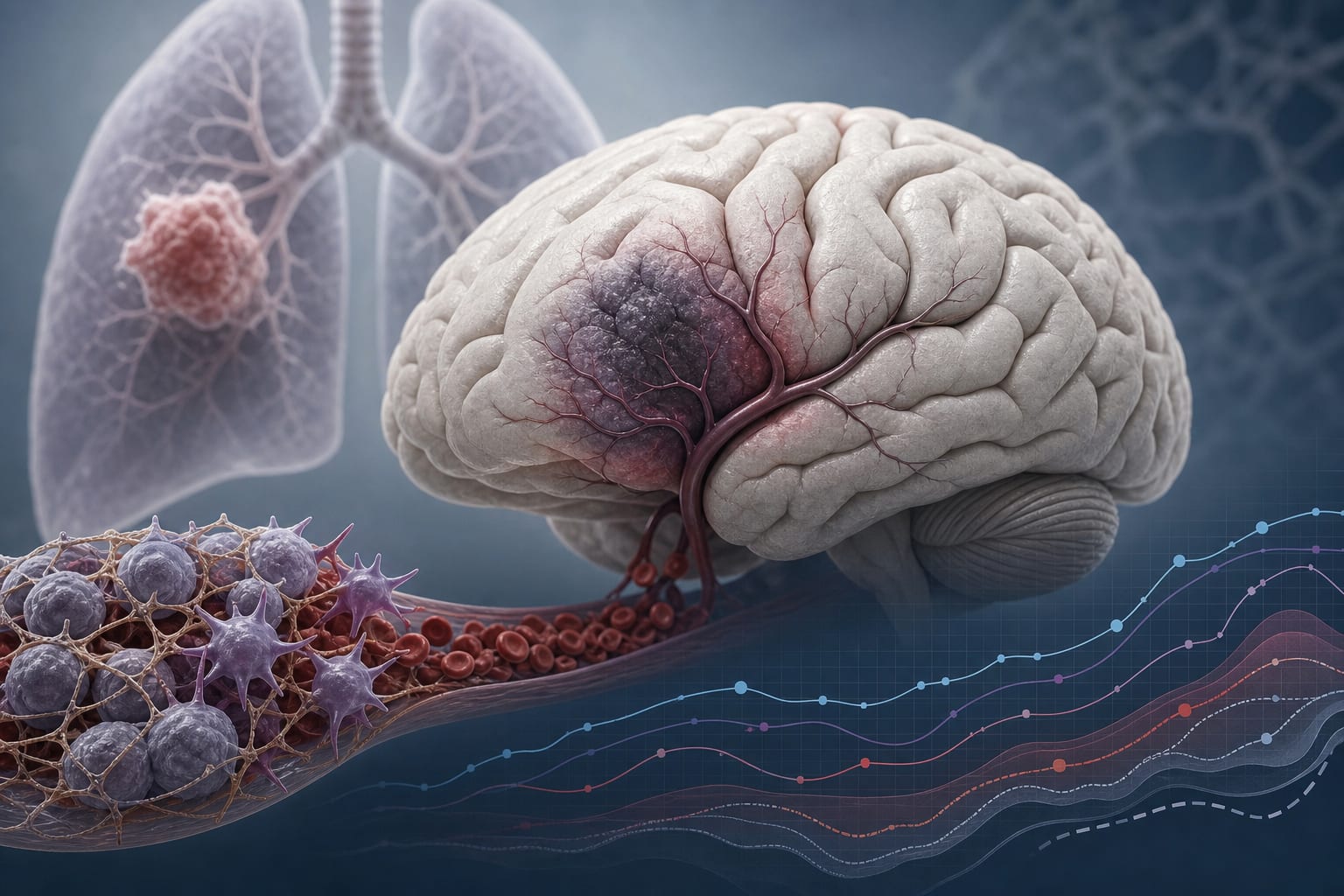
Reperfusion injury is a complex process involving excitotoxicity, oxidative stress, and neuroinflammation.
Outcomes after successful recanalization can vary significantly among patients.
Reperfusion is a biological intervention that can have undesirable consequences.
Clinical Implications
Clinicians should consider brain cytoprotection as integral to the management of acute ischemic stroke.
Conclusion
Improving outcomes after acute ischemic stroke requires a comprehensive approach that includes neuroprotection.