Clinical Report: The Future of Psychiatry: Navigating Hope in Uncertainty
Background
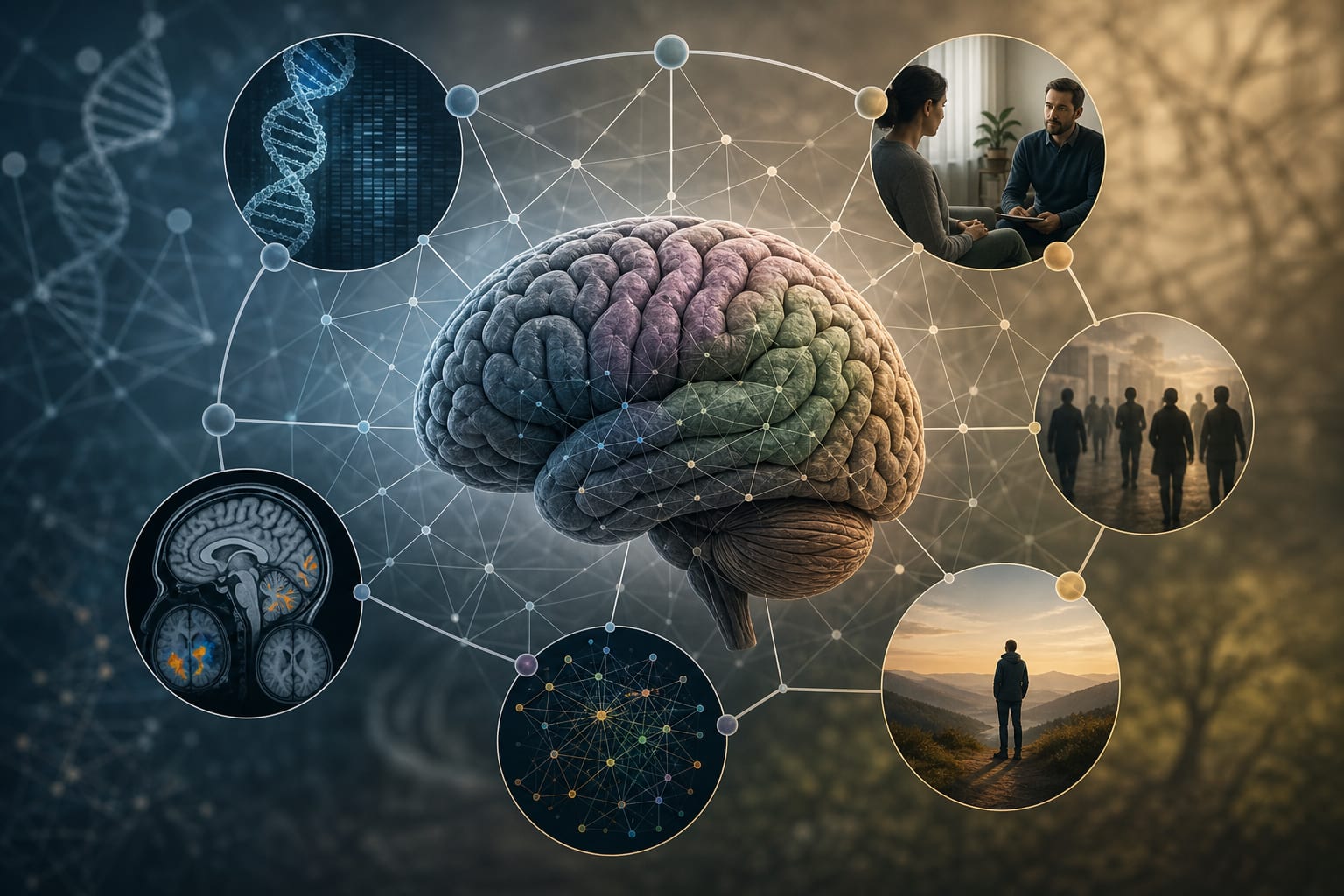
The biopsychosocial model has traditionally guided the understanding of psychiatric disorders, emphasizing the interplay of biological, psychological, and social factors. However, contemporary psychiatric research suggests that this model may be insufficient to capture the complexity and non-linearity inherent in these disorders. A systems-oriented approach is proposed to better understand and address the multifaceted nature of mental health conditions, integrating insights from genetics, multi-omics, and complex systems theory.
Data Highlights
No specific numerical or trial data was provided in the source material, which limits the ability to quantify findings or outcomes.
Key Findings
Modern psychiatry is moving towards a systems-oriented framework that integrates multiple levels of analysis.
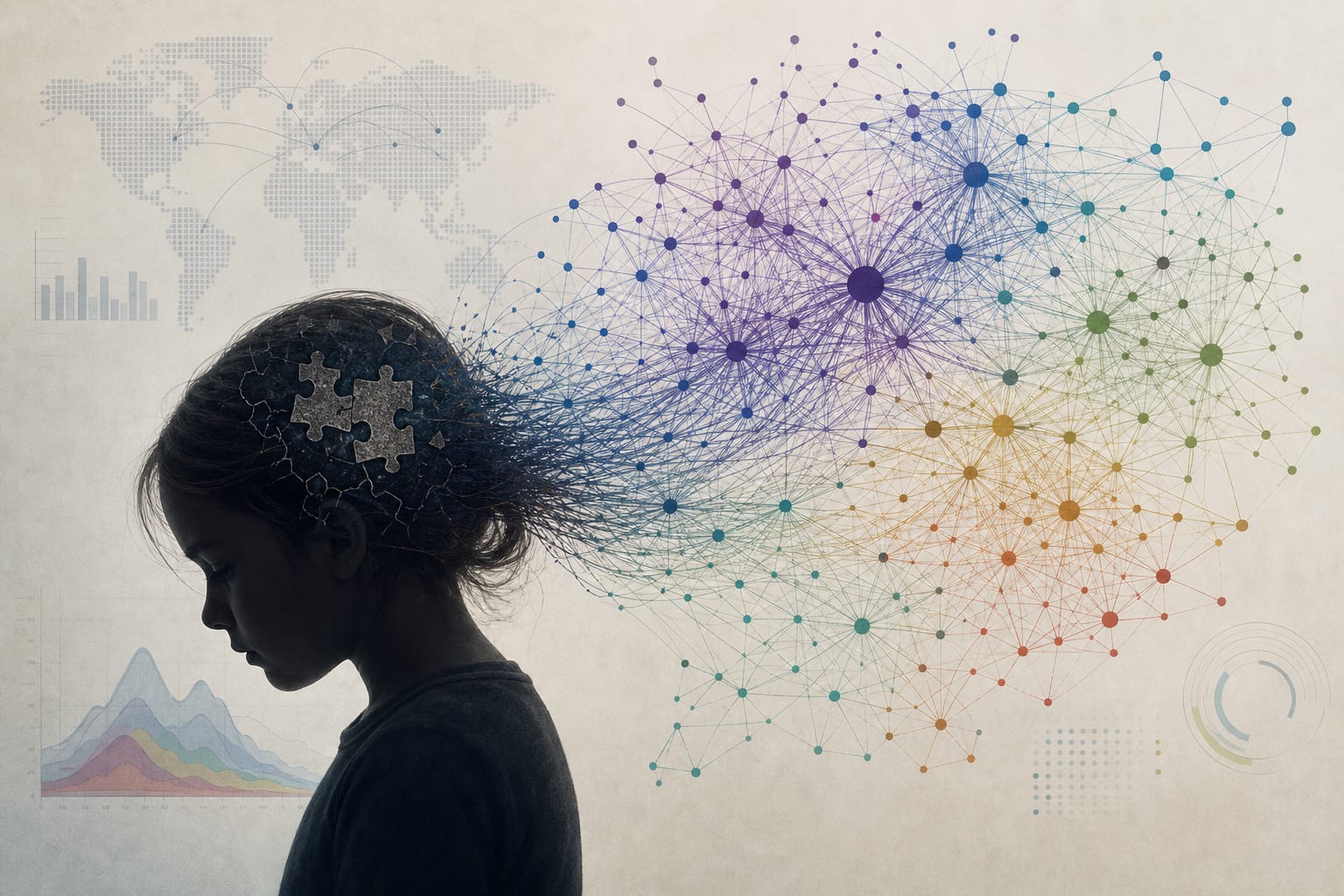
Psychiatric illness is conceptualized as a crisis of regulation and meaning across dynamically interacting networks.
Process-based psychotherapy and neuromodulatory interventions are highlighted as important clinical implications.
Recovery-oriented integrated care ecosystems are essential for effective service design in psychiatry.
Key research directions include multimodal clustering approaches and digital phenotyping to capture non-linear trajectories of mental suffering.
Clinical Implications
The proposed framework encourages clinicians to consider the complex interplay of biological, psychological, and social factors in psychiatric care, integrating new technologies and methodologies to enhance understanding and treatment of mental health disorders.
Conclusion
The future of psychiatry lies in embracing a systems-oriented approach that acknowledges the complexity of mental health conditions, paving the way for innovative clinical practices and research directions.