Metabolism of myeloid cells in brain tumors
-
By
-
Aashna Saxena
-
Defne Bayik
-
July 14, 2026
Clinical Report: Metabolic Processes of Myeloid Cells in Brain Tumor Pathophysiology
Overview
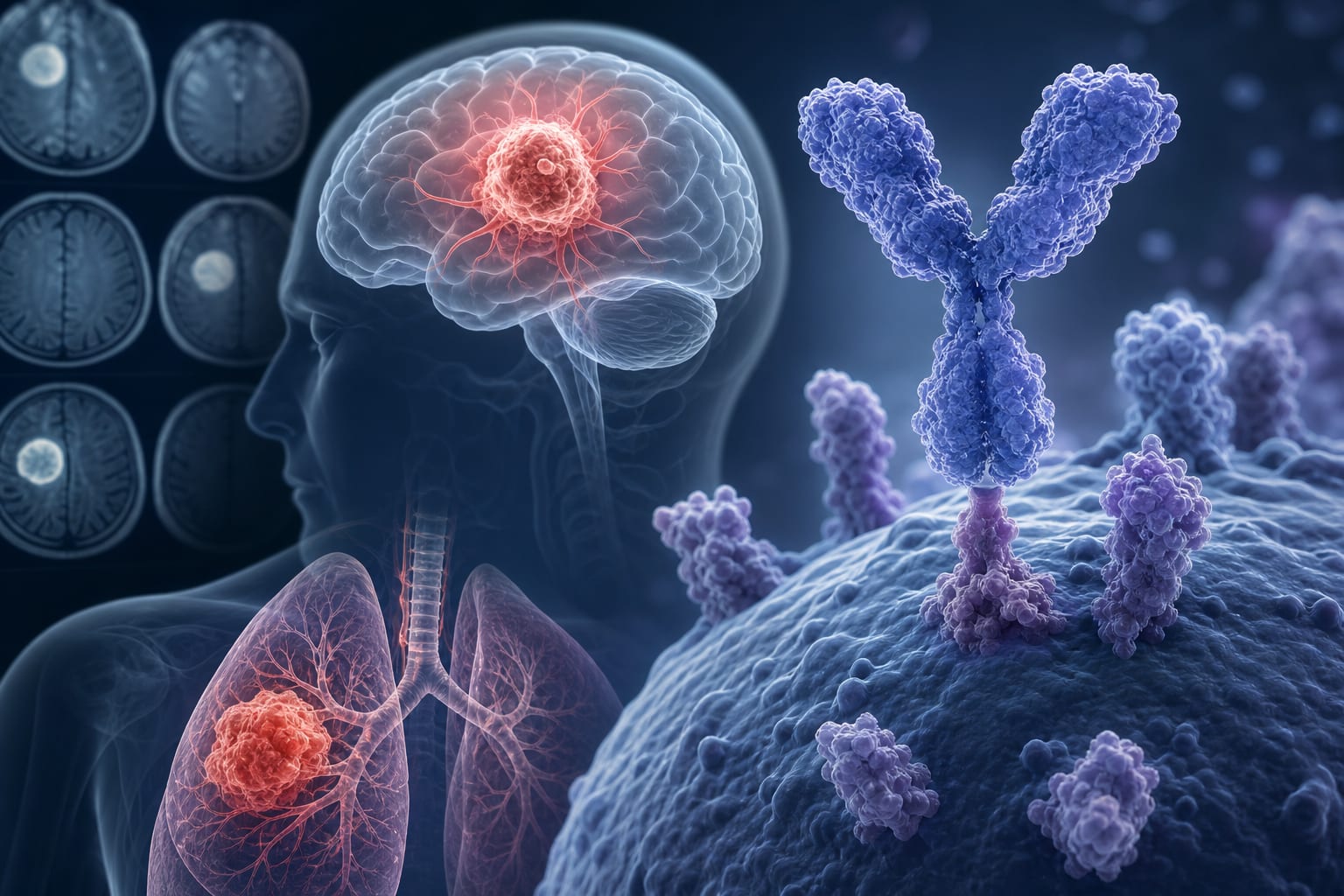
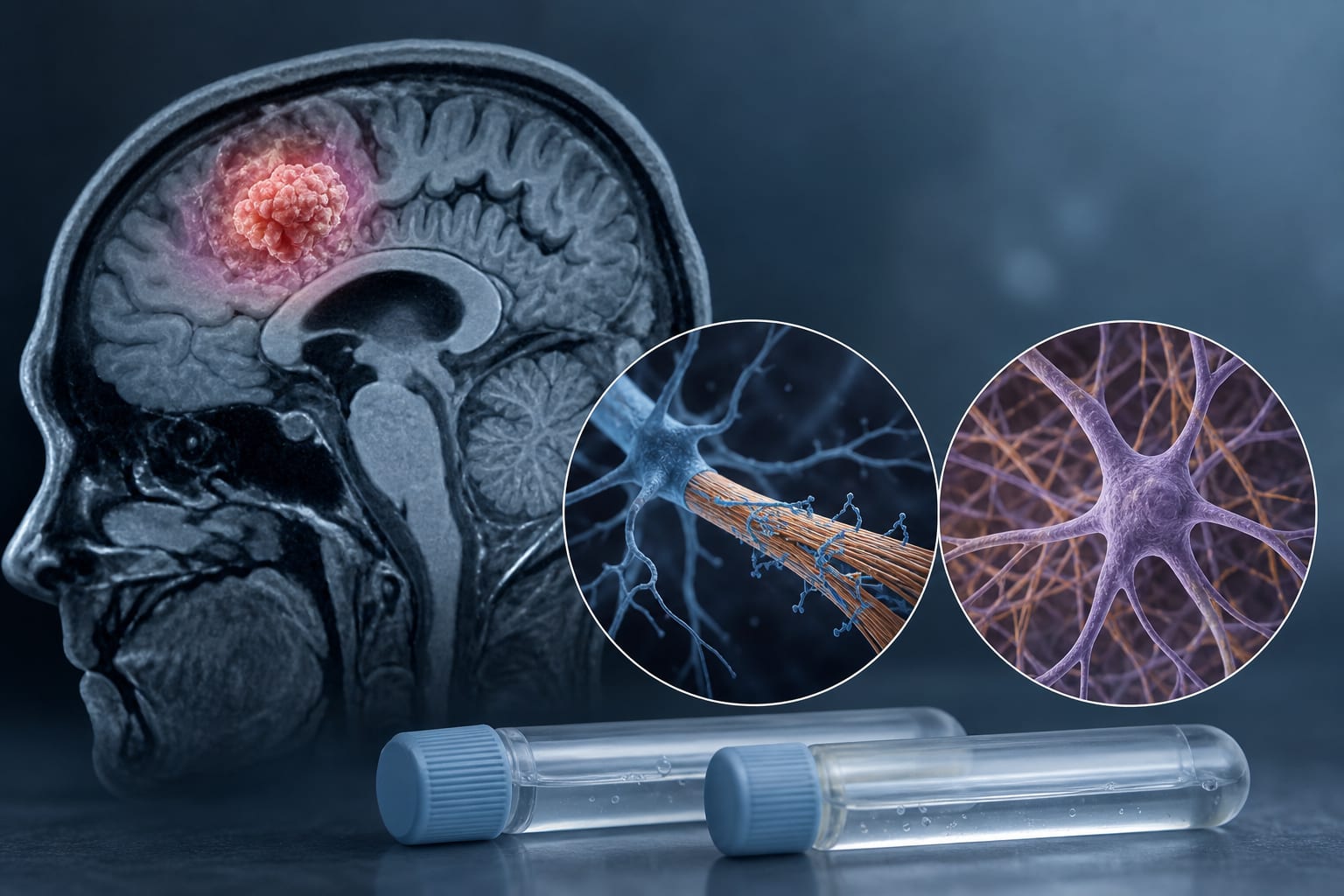
This review examines the immunometabolic landscape of brain tumors, particularly glioblastoma (GBM), highlighting the metabolic reprogramming of myeloid cells within the tumor microenvironment (TME). It discusses how these changes contribute to immune suppression and tumor progression.
Background
Glioblastoma (GBM) is a highly aggressive brain tumor with a poor prognosis and limited treatment options. The tumor microenvironment is characterized by a significant presence of myeloid cells, which play a crucial role in tumor progression and immune evasion. Understanding the metabolic adaptations of these cells is essential for developing effective therapeutic strategies.
Data Highlights
No numerical data available in the source material.
Key Findings
- Myeloid cells can constitute up to 30% of the tumor mass in GBM.
- Myeloid cells in the GBM TME undergo metabolic rewiring, contributing to their immunosuppressive functions.
- Activated microglia in the GBM TME exhibit altered lipid metabolism and utilize fructose through the transporter GLUT5.
- Tumor-associated myeloid-derived suppressor cells (MDSCs) show distinct metabolic characteristics.
- The GBM TME is characterized by hypoxia and acidity, influencing the metabolic adaptations of myeloid cells.
Clinical Implications
The findings suggest that targeting the metabolic pathways of myeloid cells in the GBM TME may offer new avenues for immunotherapy. Understanding these metabolic changes could enhance the effectiveness of existing treatments and inform the development of novel therapeutic strategies.
Conclusion
This systematic review highlights the role of myeloid cell metabolism in the pathophysiology of brain tumors, particularly GBM.
Related Resources & Content
- Frontiers in Oncology, 2026 -- Metabolic cell competition in the glioblastoma tumour microenvironment: glucose, glutamine, and lactate as determinants of immune exclusion and targets for pharmacological reprogramming
- Blood Cancer Journal, 2016 -- Identifying Molecular Irregularities Associated with the Warburg Effect in Primary Refractory Diffuse Large B-Cell Lymphoma
- Journal of Neuro-Oncology, 2024 -- Regulatory Mechanisms of Diffuse Glioma Growth and Invasion in the Central Nervous System: Insights from Single-Unit Physiology to Circuit Alterations
- Blood Cancer Journal, 2015 -- Alterations in bone marrow metabolism are an early and consistent feature during the development of MGUS and multiple myeloma
- Virtual Trials, 2025 -- Clinical guidelines for glioblastoma treatment
- Radiotherapy combined with nivolumab or temozolomide for newly diagnosed glioblastoma with unmethylated MGMT promoter: An international randomized phase III trial - PMC
- Phase 1b/2 study of orally administered pexidartinib in combination with radiation therapy and temozolomide in patients with newly diagnosed glioblastoma
- https://virtualtrials.org/pdf2025/cns.pdf
This content is an AI-generated, fully rewritten summary based on a published scholarly article. It does not reproduce the original text and is not a substitute for the original publication. Readers are encouraged to consult the source for full context, data, and methodology.