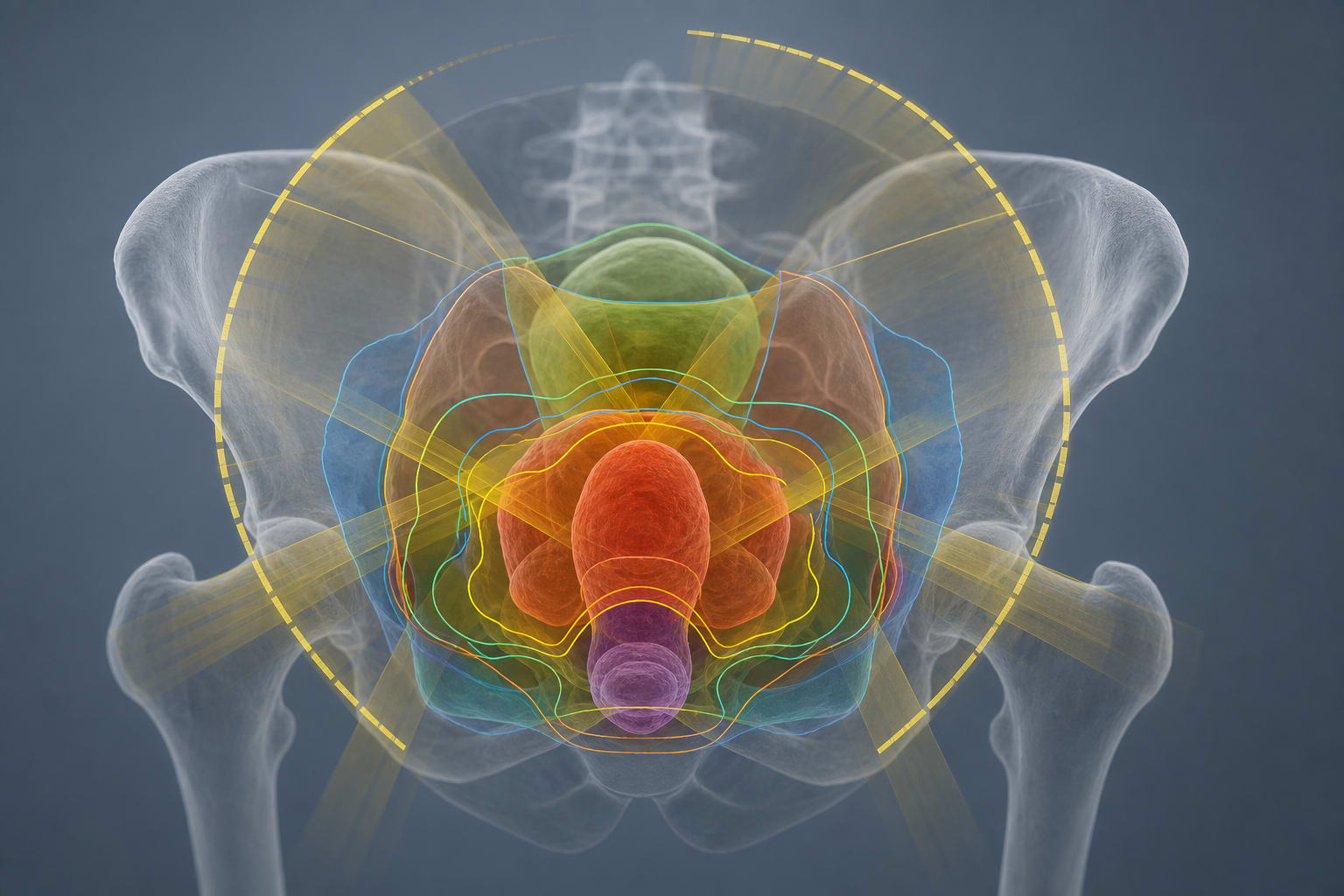
Systematic Review of PEG Hydrogel Rectal Spacers in Prostate Brachytherapy
Overview
This systematic review evaluates the use of polyethylene glycol (PEG) hydrogel spacers in prostate brachytherapy (PBT) to reduce rectal radiation exposure and gastrointestinal toxicity. Analysis of nine studies involving 671 patients demonstrates that PEG spacers effectively increase prostate-rectum distance, lower rectal dosimetry, and reduce acute and late GI toxicities compared to controls without spacers.
Background
Prostate brachytherapy (PBT) is a definitive treatment for prostate cancer, utilizing low-dose-rate (LDR) or high-dose-rate (HDR) techniques alone or with external beam radiotherapy (EBRT). Dose escalation improves oncologic outcomes but increases radiation exposure to adjacent organs, especially the rectum, raising the risk of gastrointestinal toxicity. Rectal spacers, including PEG hydrogel, create physical separation between the prostate and rectum to reduce rectal dose and toxicity. PEG hydrogel spacers are hydrophilic polymers that maintain spacing during radiation delivery and subsequently resorb.
Data Highlights
Parameter
With PEG Spacer
Without Spacer (Control)
Number of Patients
671
537
Spacer Types Used
SpaceOAR, DuraSeal
None
Prostate-Rectum Separation
Significant increase (exact values vary)
Baseline
Rectal Dosimetry
Reduced dose to rectum
Higher dose
GI Toxicity (Acute and Late)
Lower incidence
Higher incidence
Spacer Resorption
DuraSeal: ~80% by 4 weeks; half-life 47-110 days
Not applicable
Key Findings
PEG hydrogel spacers significantly increase the distance between the prostate and rectum, reducing rectal radiation dose during PBT.
Use of PEG spacers is associated with lower rates of acute and late gastrointestinal toxicities compared to no spacer controls.
Two main PEG hydrogel products were used: SpaceOAR (post-2017) and DuraSeal (pre-2017), with DuraSeal showing partial resorption by 4 weeks and prolonged local spacing effect due to edema.
Spacer insertion is performed transperineally under ultrasound guidance, typically immediately after brachytherapy implantation, with careful needle placement between Denonvilliers' fascia and rectal wall.
Antibiotic prophylaxis and patient preparation protocols vary, with some centers using ciprofloxacin and gentamicin and preoperative enemas.
All reviewed studies were retrospective case series with heterogeneity precluding formal meta-analysis.
Clinical Implications
PEG hydrogel rectal spacers are effective adjuncts in prostate brachytherapy to minimize rectal radiation exposure and reduce gastrointestinal toxicity, potentially improving patient quality of life. Clinicians should consider incorporating spacer placement into PBT protocols, ensuring proper ultrasound-guided technique and appropriate perioperative antibiotic prophylaxis. Awareness of spacer resorption timelines is important for treatment planning and follow-up.
Conclusion
PEG hydrogel spacers provide a safe and effective method to increase prostate-rectum separation during prostate brachytherapy, resulting in reduced rectal dose and lower GI toxicity. Their use represents an important advancement in optimizing the therapeutic ratio of prostate cancer radiotherapy.
References
Systematic Review of Rectal Spacers Utilizing Polyethylene Glycol Hydrogel in Prostate Brachytherapy Techniques