Real-world healthcare resource use and costs associated with the management of locally advanced head and neck cancer in Portugal – TRACE2 study - Report - MDSpire
Healthcare Resource Utilization and Costs in the Management of Locally Advanced Head and Neck Cancer in Portugal
Overview
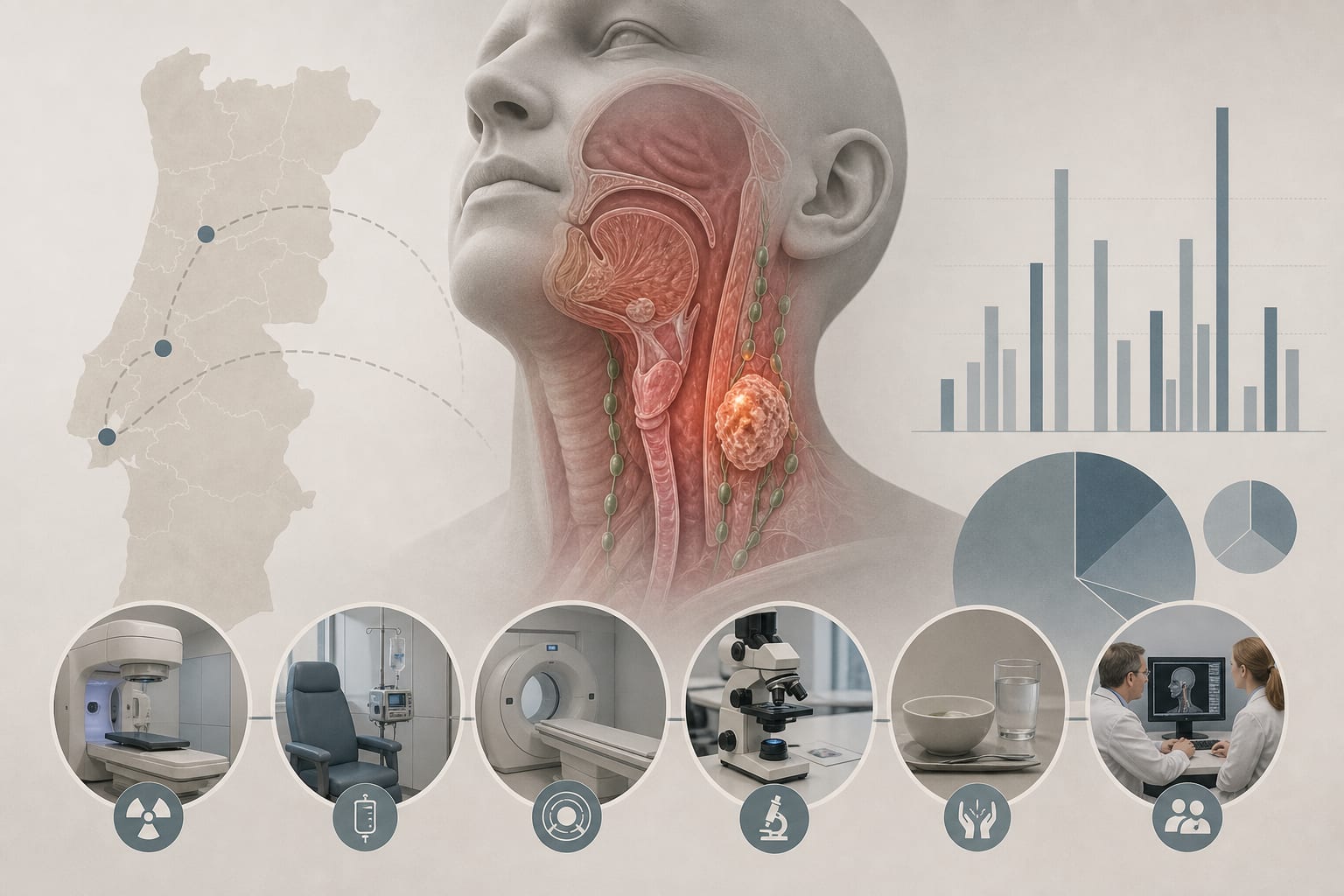
The TRACE2 study provides insights into the healthcare resource utilization and costs associated with managing locally advanced head and neck squamous cell carcinoma (LA-HNSCC) in Portugal. Findings indicate a high burden on the healthcare system, with significant costs driven primarily by combined systemic therapy and radiotherapy.
Background
Locally advanced head and neck squamous cell carcinoma (LA-HNSCC) poses a significant challenge due to its high recurrence rates and poor prognosis. Approximately 60% of HNSCC cases are diagnosed at this stage, necessitating a multidisciplinary treatment approach that impacts healthcare resources and costs. Understanding the economic burden of LA-HNSCC management is crucial for optimizing healthcare delivery and improving patient outcomes.
Data Highlights
Metric
Value
Median annualized cost per patient
€7,706.0
Percentage of patients requiring outpatient consultations
89%
Percentage of patients hospitalized
74.5%
Percentage of patients using nutritional support
85.2%
Percentage of patients receiving psychological treatment
16.1%
Key Findings
150 patients were included in the study, with a predominance of males (94.7%) and a high prevalence of tobacco (92.0%) and alcohol use (83.1%).
Combined systemic therapy and radiotherapy (ST+RT) was the most common treatment modality, utilized by 81.3% of patients.
During a median follow-up of 12 months, over 89% of patients required outpatient consultations and medical exams.
The global median annualized cost per patient was €7,706.0, primarily driven by ST+RT and hospitalizations.
Supportive care services were underutilized, with only 85.2% of patients receiving nutritional support.
Clinical Implications
Healthcare professionals should be aware of the substantial economic burden associated with LA-HNSCC management, which necessitates careful resource allocation. Enhanced follow-up protocols and supportive care services may improve patient outcomes and reduce overall healthcare costs.
Conclusion
The TRACE2 study highlights the significant healthcare resource utilization and costs in managing LA-HNSCC in Portugal, underscoring the need for improved patient management strategies.