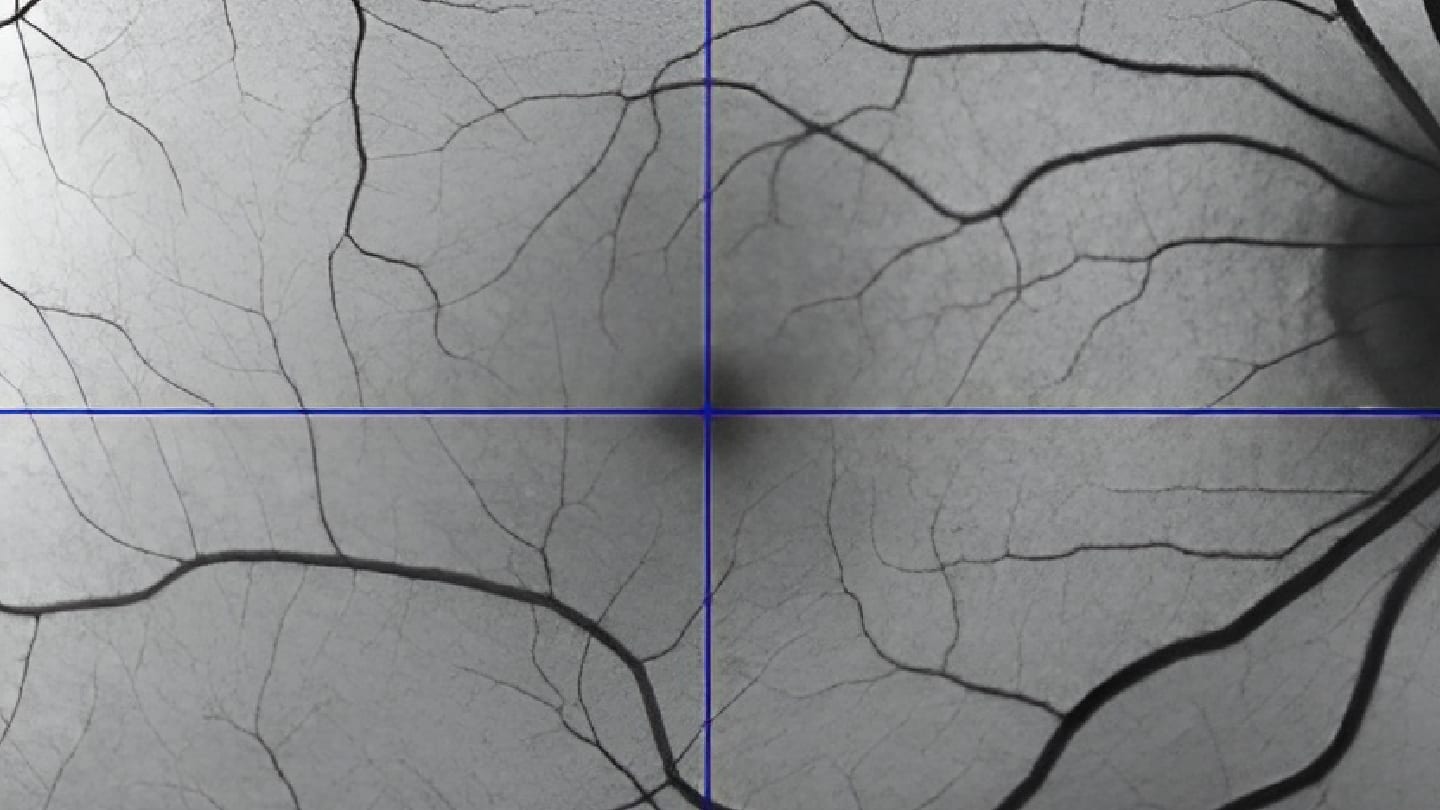
Recent advancements in neuro-ophthalmology highlight the retina's critical role in diagnosing neurodegenerative disorders. Technologies like fluorescence lifetime imaging ophthalmoscopy (FLIO) are transforming our understanding and management of conditions such as Alzheimer's and Parkinson's disease.
Background
Neuro-ophthalmology has evolved to recognize the retina as a vital component in the diagnosis and monitoring of neurodegenerative diseases. This shift is essential as it allows for earlier detection and intervention, potentially improving patient outcomes. Understanding the eye-brain connection is crucial for healthcare professionals managing complex cases of visual loss and neurological dysfunction.
Data Highlights
No specific numerical data available in the source material.
Key Findings
The retina may provide early indicators of neurodegenerative diseases, often before structural changes are evident.
FLIO offers a functional assessment of retinal metabolism, enhancing the diagnostic capabilities beyond traditional imaging.
Multimodal imaging approaches combining FLIO, OCT, and MRI can link retinal findings with brain pathology.
Integration of clinical imaging with basic science, including the use of induced pluripotent stem cells, holds promise for personalized medicine.
Regulatory agencies are increasingly recognizing the importance of retinal imaging in the context of neurodegenerative diseases.
Clinical Implications
Clinicians should consider the retina as a potential site for early detection of neurodegenerative diseases. Utilizing advanced imaging techniques can enhance diagnostic accuracy and guide treatment strategies. Collaboration between neuro-ophthalmologists and other specialists is essential for comprehensive patient care.
Conclusion
The evolving understanding of neuro-ophthalmology underscores the importance of the retina in diagnosing and managing neurodegenerative disorders. Continued research and technological advancements will further enhance clinical practice.