Clinical Report: Assessing a Community-Based Emergency Care Model in Tanzania
Overview
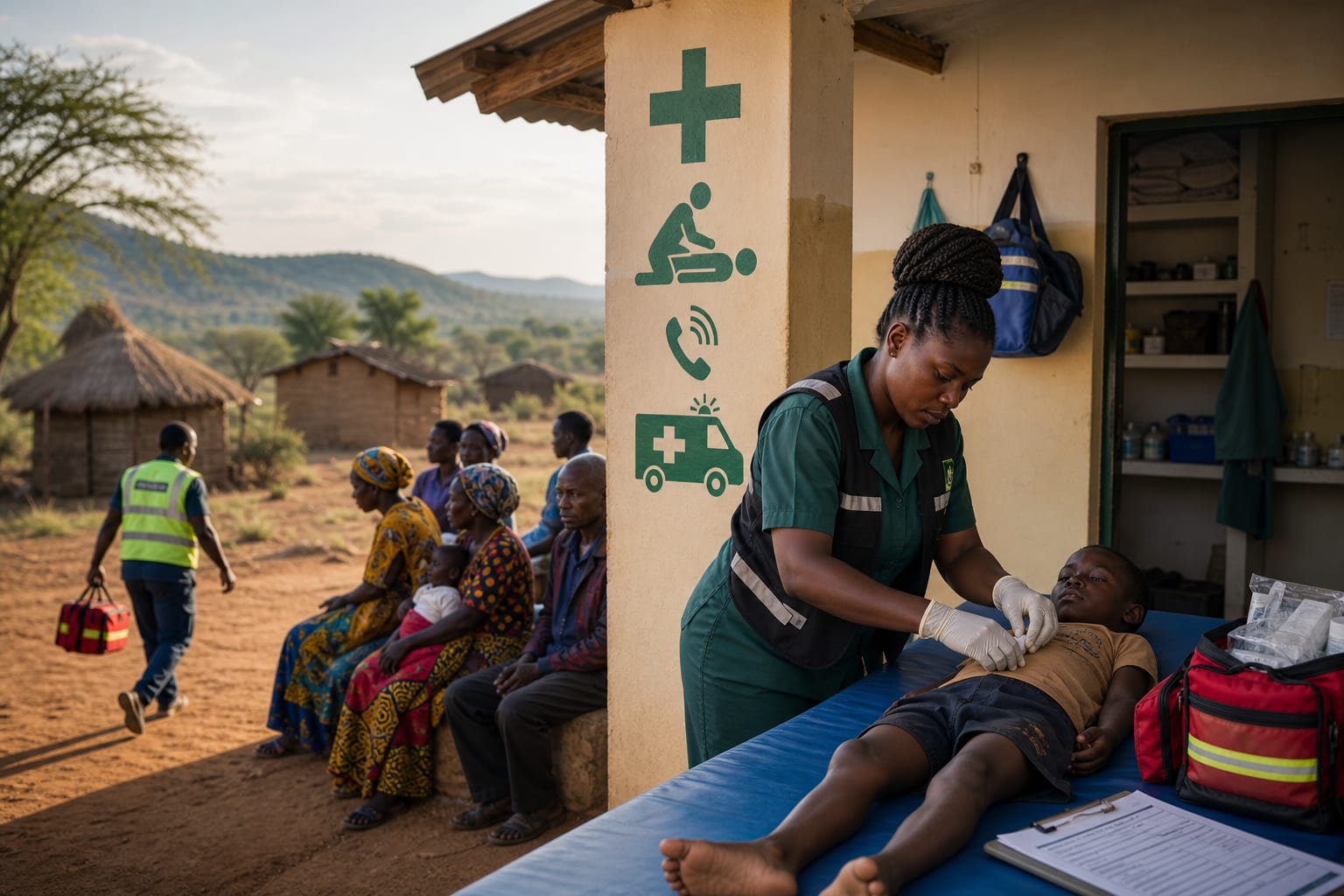
This pilot study in rural Tanzania demonstrates the implementation of a low-resource village emergency care model.
Background
Emergency care systems are crucial for reducing preventable deaths, yet many low- and middle-income countries, including Tanzania, face challenges in developing these systems at the primary healthcare level. The lack of scalable models that integrate community and facility-based emergency care exacerbates the inequities in access to timely emergency services, particularly in rural areas.
Data Highlights
The study implemented a village emergency care model in a rural Tanzanian village, leading to:
Enhanced emergency service availability
Key Findings
The village emergency care model was successfully implemented in the Bantu village of Mkinga district.
Facility readiness included constructing a new health facility to serve as the primary entry point for emergency care.
Community engagement involved training 120 key community members in basic first aid and emergency recognition.
Staff training utilized WHO’s Basic Emergency Care curriculum, adapted for local context.
The model aligns with WHO and WHA recommendations for integrating emergency care into primary healthcare systems.
Clinical Implications
The findings from this pilot study provide insights for integrating emergency care into rural primary healthcare systems.
Conclusion
The implementation of a community-based emergency care model in rural Tanzania highlights the need for further research and policy support in low-resource settings.
These 10 metropolitan areas reported population gains and active federal shortage area designations identified in census and health care workforce data.