Conexiant’s news site is now MDSpire News. Learn more
Advertisement
Efficiency in Dry Eye Testing
Having standard protocols, driven by the presence of patient signs and/or symptoms, improves clinic efficiency, diagnostic accuracy, and patient experience.
Revise to include specific diagnostic tools and their roles in enhancing efficiency.
Background
Dry eye disease (DED) is prevalent, affecting 60-80% of certain populations, and poses a significant challenge for eye care providers. Efficient identification and management of DED are crucial to improve patient outcomes and clinic workflow. This report discusses effective strategies for screening and diagnosing DED in a multispecialty practice.
Data Highlights
No numerical data provided in the source material.
Key Findings
Utilization of questionnaires like OSDI, SPEED, and DEQ-5 for symptom assessment is recommended.
Technicians play a vital role in administering diagnostic tests and educating patients about DED.
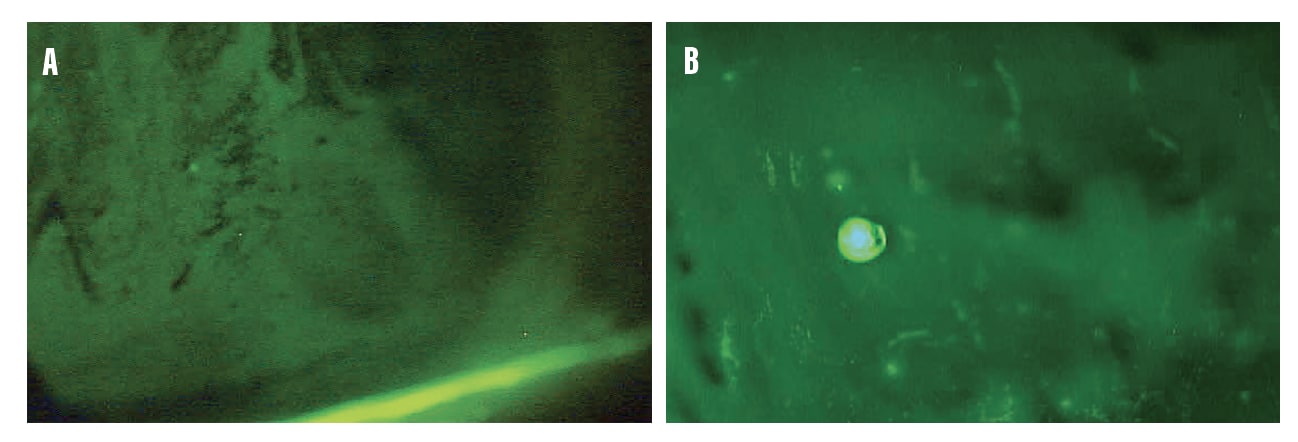
Fluorescein sodium and lissamine green are essential for evaluating corneal and conjunctival health.
Meibomian gland function can be assessed quickly using the TearScience Meibomian Gland Evaluator.
Tear osmolarity testing provides objective data on tear film stability and is sensitive for DED diagnosis.
Team-based approaches enhance patient education and follow-up, leading to improved clinical outcomes.
Clinical Implications
Detail the impact of technician training and team collaboration on patient care.
Conclusion
A comprehensive, team-based strategy for dry eye testing can improve diagnostic accuracy and clinic flow. By leveraging technician involvement and standardized protocols, eye care practices can better manage the growing prevalence of dry eye disease.
Dr. Theriot discusses the differences between natural tear film and artificial tears—and why the change in moniker to "lubricating drops" is appropriate.