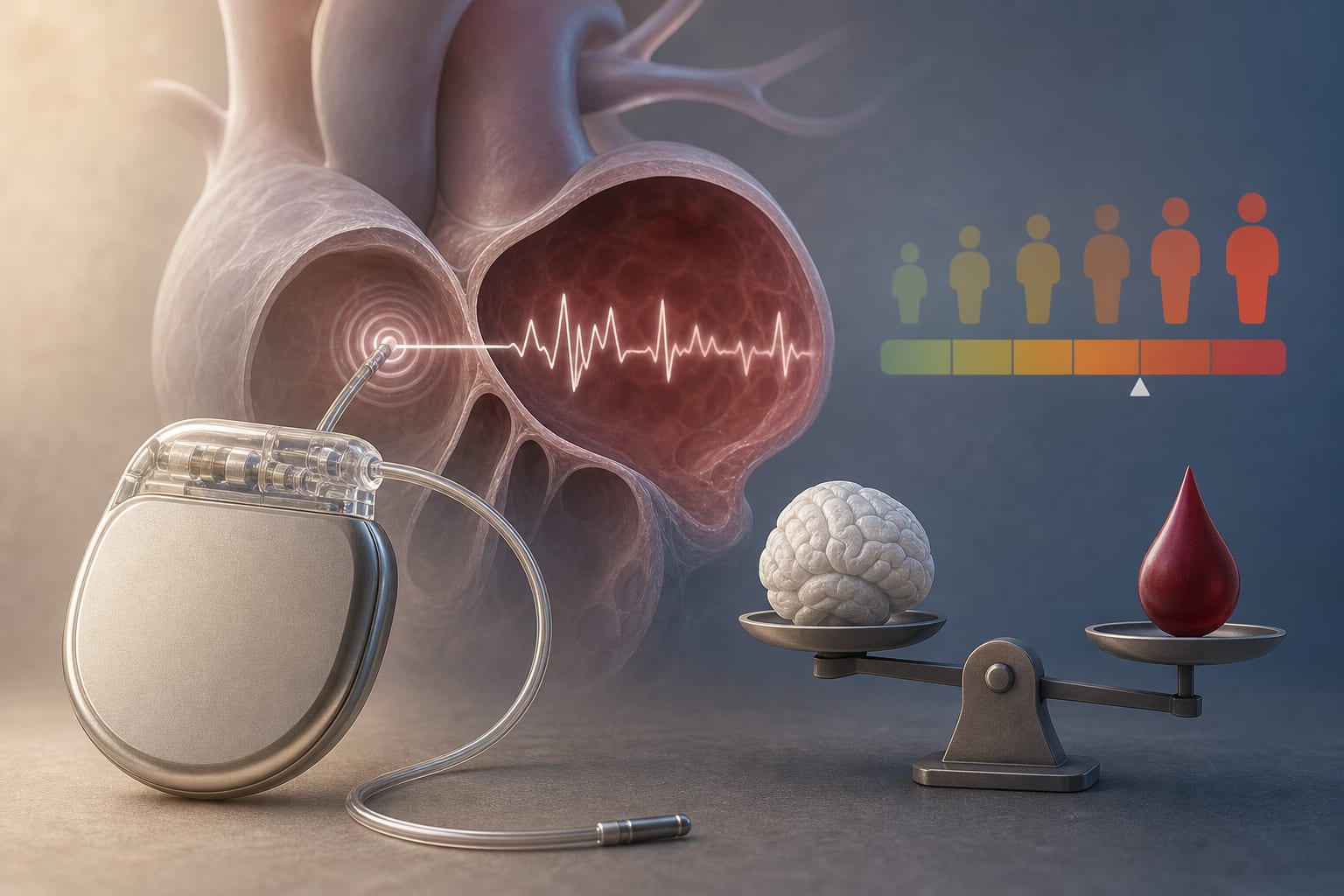
Brain cell-released Cyclophilin A induces neuroinflammation and exacerbates blood–brain barrier injury in acute ischemic stroke - Report - MDSpire

Brain cell-released Cyclophilin A induces neuroinflammation and exacerbates blood–brain barrier injury in acute ischemic stroke

  • By

  • Enyue Chen

  • Qihui Wu

  • Yunwen Xue

  • Shixiong Huang

  • Yong Gu

  • June 18, 2026

  • 0 min

Share

Cyclophilin A Released by Brain Cells Promotes Neuroinflammation and Aggravates Blood-Brain Barrier Damage in Acute Ischemic Stroke

Overview

This study investigates the role of Cyclophilin A (CypA) in neuroinflammation and blood-brain barrier (BBB) disruption following acute ischemic stroke (AIS). Elevated levels of extracellular CypA were found in AIS patients and animal models.

Background

Acute ischemic stroke (AIS) is a leading cause of mortality and disability, with neuroinflammation playing a critical role in its pathogenesis. Disruption of the blood-brain barrier (BBB) during AIS can lead to severe complications.

Data Highlights

GroupeCypA Levels (ng/mL)
Mild AIS Patients1.74 ± 0.23
Severe AIS Patients2.39 ± 0.09
Healthy Controls1.30 ± 0.19
tMCAO Rat Serum2.57 ± 0.14
tMCAO Rat CSF2.14 ± 0.23
OGD/R BV2 Cells0.92 ± 0.01
OGD/R bEnd.3 Cells1.10 ± 0.05
LPS BV2 Cells1.12 ± 0.08

Key Findings

  • eCypA levels were significantly elevated in serum from AIS patients compared to healthy controls.
  • In tMCAO rats, eCypA levels were also significantly higher in serum and cerebrospinal fluid compared to controls.
  • The CypA inhibitory peptide C46 improved neurological function and reduced cerebral infarct volume in tMCAO rats.
  • C46 administration mitigated BBB permeability and preserved tight junction protein levels in tMCAO rats.
  • C46 inhibited microglial activation and downregulated proinflammatory mediators in both in vivo and in vitro models.

Clinical Implications

Further research is warranted to explore the applicability of C46 and similar agents in AIS management.

Conclusion

eCypA is identified as a mediator of neuroinflammation and BBB disruption in AIS.

Related Resources & Content

  1. Acta Neuropathologica, 2018 -- Inflammation Following Stroke: A Potential Therapeutic Target or a Beneficial Mechanism?
  2. Frontiers in Immunology, 2026 -- ANXA2 promotes NLRP3 inflammasome activation and neuronal pyroptosis after intracerebral hemorrhage
  3. Brain, 2026 -- CXCR3-mediated natural killer cell infiltration exacerbates white matter injury after intracerebral haemorrhage
  4. Acta Neuropathologica, 2021 -- The Role of Microglia and Monocytes in CNS Inflammatory Disorders: A Focus on Their Phenotypic and Functional Integration
  5. 2026 Guideline for the Early Management of Patients With AIS - Professional Heart Daily | American Heart Association
  6. Immune-mediated blood-brain barrier disruption after ischemic stroke: mechanisms and therapeutic targets
  7. The blood–brain barrier as a treatment target for neurodegenerative disorders
  8. 2026 Guideline for the Early Management of Patients With AIS - Professional Heart Daily | American Heart Association
  9. Immune-mediated blood-brain barrier disruption after ischemic stroke: mechanisms and therapeutic targets
  10. The blood–brain barrier as a treatment target for neurodegenerative disorders

Original Source(s)

Related Content