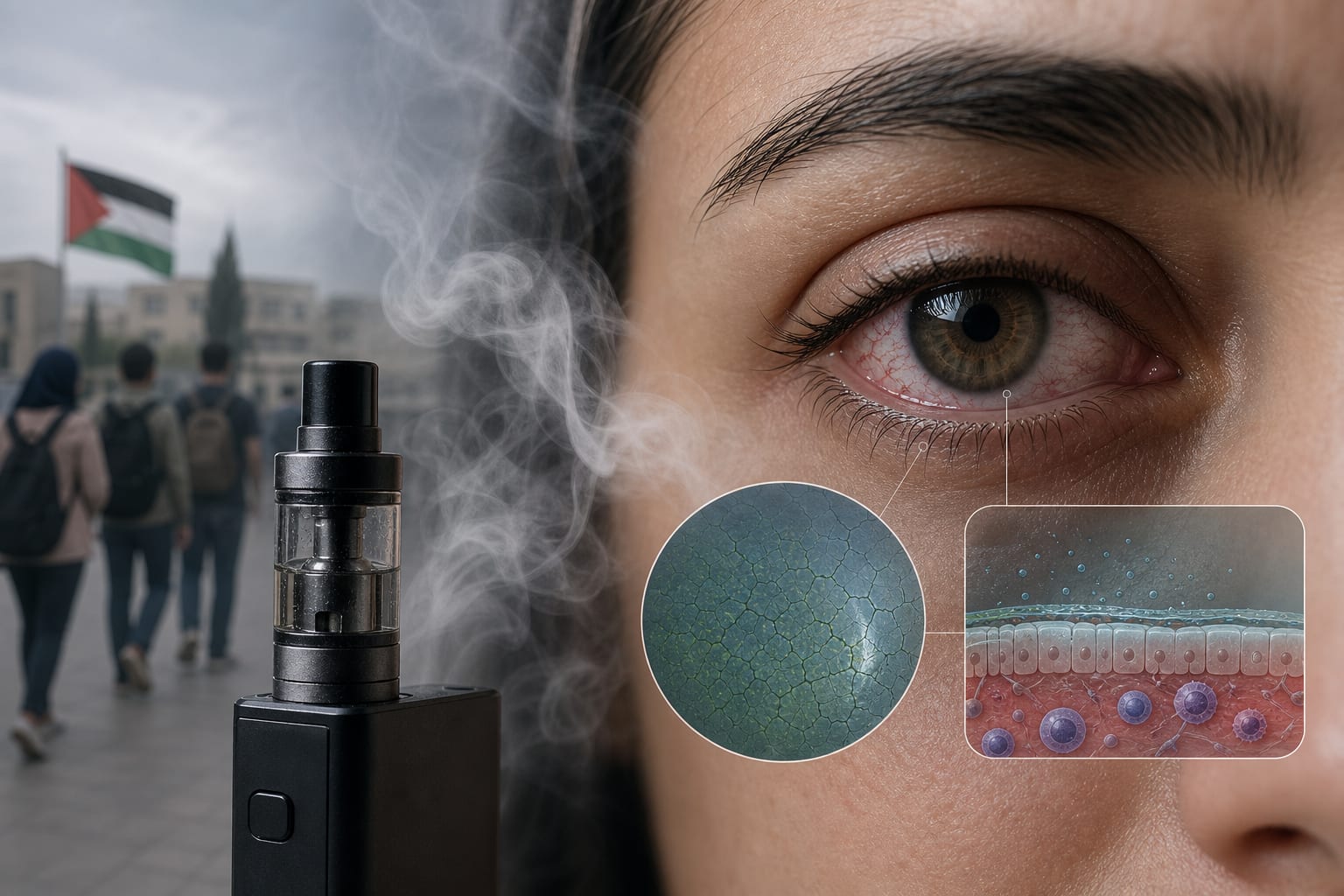
Dry eye disease (DED) is increasingly prevalent, driven by factors such as excessive screen time. Effective diagnosis is crucial to prevent negative impacts on patient quality of life and treatment outcomes.
Background
Dry eye disease is a chronic condition that affects a significant portion of the population, leading to discomfort and potential complications in various ocular treatments. Accurate identification of DED is essential for improving patient care and satisfaction. Traditional and modern diagnostic methods can enhance the precision of DED diagnosis, ultimately benefiting patient management.
Data Highlights
No numerical data provided in the source material.
Key Findings
DED can negatively impact productivity, quality of life, and treatment outcomes.
Traditional diagnostic methods include symptom questionnaires, vital dyes, and tear break-up time assessments.
Modern point-of-care technologies enhance diagnostic accuracy and provide objective data.
DED is classified into aqueous-deficient and evaporative subtypes, often presenting with a mix of symptoms and signs.
Schirmer’s test and phenol red thread test are key assessments for tear production.
Combining traditional and modern diagnostic approaches improves patient outcomes and satisfaction.
Clinical Implications
Clinicians should prioritize the diagnosis of dry eye disease to mitigate its adverse effects on patients. Utilizing both traditional and modern diagnostic methods can lead to more accurate assessments and tailored treatment plans.
Conclusion
Effective diagnosis of dry eye disease is vital for enhancing patient care and treatment success. A comprehensive approach that integrates various diagnostic tools is recommended.
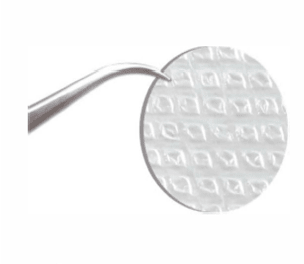
The trilayer decellularized basement membrane is used in ocular surgery and in OSD applications, including corneal and conjunctival-related injuries or defects.