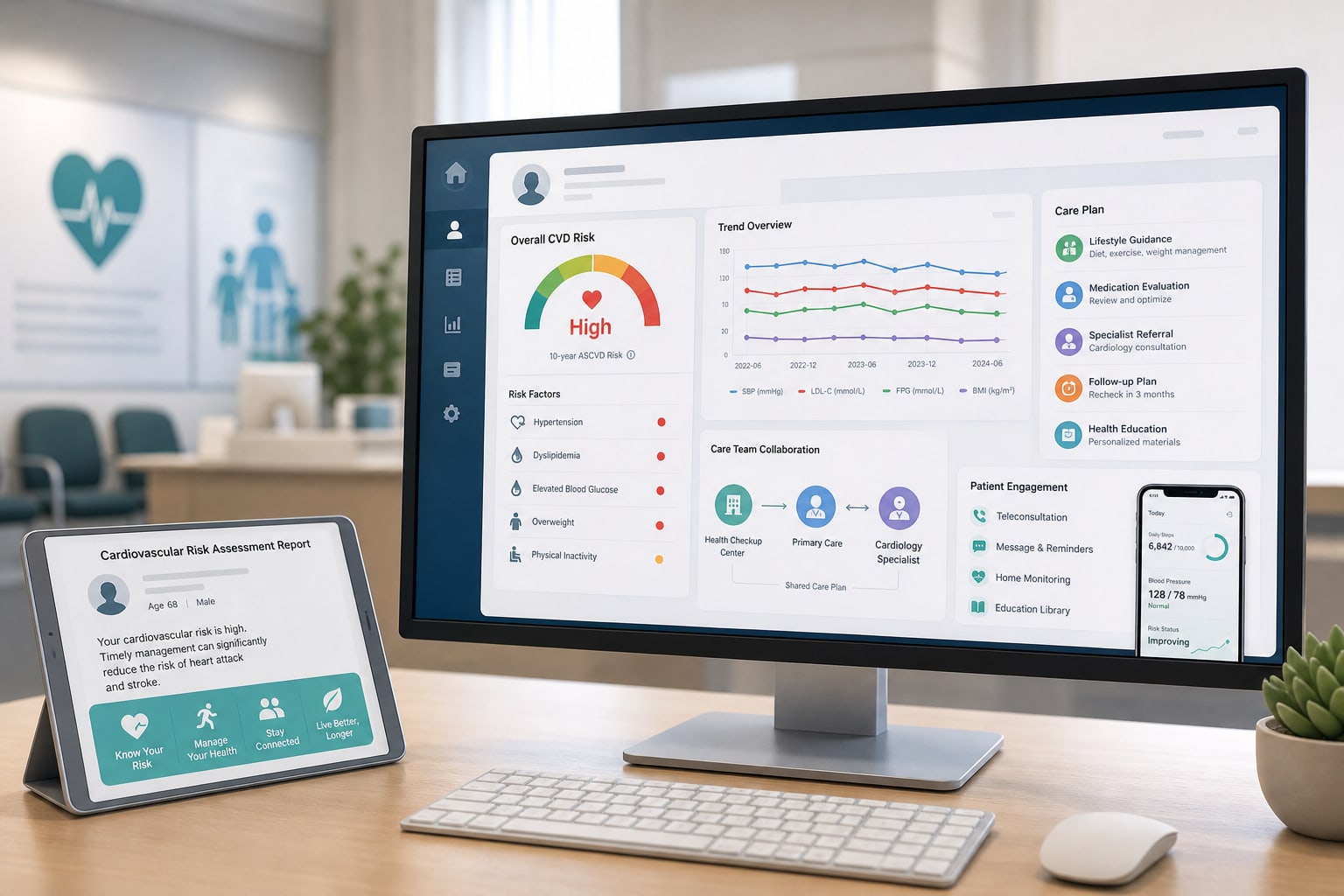
Clinical Report: The Contradiction of the Primary Care System Crisis
Overview
The Medicare Payment Advisory Commission (MedPAC) report reveals that primary care in the U.S. is performing well, with high access metrics and increasing compensation. However, this success contrasts with ongoing health challenges driven by factors beyond primary care's reach.
Background
The primary care system in the United States is often viewed as a critical component in addressing healthcare challenges. Despite favorable metrics regarding access and performance, broader health outcomes, particularly life expectancy, indicate that primary care alone cannot resolve systemic issues.
Data Highlights
No numerical data provided in the source material.
Key Findings
Nearly all Medicare beneficiaries have a primary care provider (PCP).
Over three-quarters of patients can see their PCP within two weeks.
Access to specialists is declining, impacting patient care for complex conditions.
Lower life expectancy in the U.S. is largely driven by external causes, not inadequate primary care access.
Investment in primary care does not equate to improved overall health outcomes.
Clinical Implications
Healthcare professionals should recognize that while primary care is essential, it is not the sole solution to improving population health.
Conclusion
The current success of primary care does not correlate with improved health outcomes in the U.S.
New initiatives include the Rare Neurological Diseases Multidisciplinary Clinic which will allow patients to see multiple specialists in a single coordinated visit.