GLP-1 RA Plus SGLT2i Versus Monotherapy in MASLD and Type 2 Diabetes: Three Pairwise Target Trial Emulations - Report - MDSpire
Coming Soon: Introducing MDSpire News. Learn more
Conexiant’s news site is now MDSpire News. Learn more

Comparative Analysis of GLP-1 Receptor Agonists and SGLT2 Inhibitors Versus Monotherapy in Patients with MASLD and Type 2 Diabetes: Insights from Three Target Trial Emulations

  • By

  • Mohanad A. Alkuwaiti

  • Faisal A. Al-Harbi

  • Ahmed K. Alsaif

  • Ziyad M. AlSughayyir

  • Rayan Saleh Alsaud

  • Mohammed N. Aljabr

  • Ahmad K. Alanazi

  • Ahmad A. Alosaily

  • Abdulrhman K. Alabdulqader

  • Hamza Almusabeh

  • Rayyan F. Altemani

  • Ahmed Y. Azzam

  • July 13, 2026

Share

Comparative Analysis of GLP-1 Receptor Agonists and SGLT2 Inhibitors

Overview

This study evaluates the comparative effectiveness of GLP-1 receptor agonists and SGLT2 inhibitors versus monotherapy in patients with metabolic dysfunction-associated steatotic liver disease (MASLD) and type 2 diabetes mellitus (T2DM).

Background

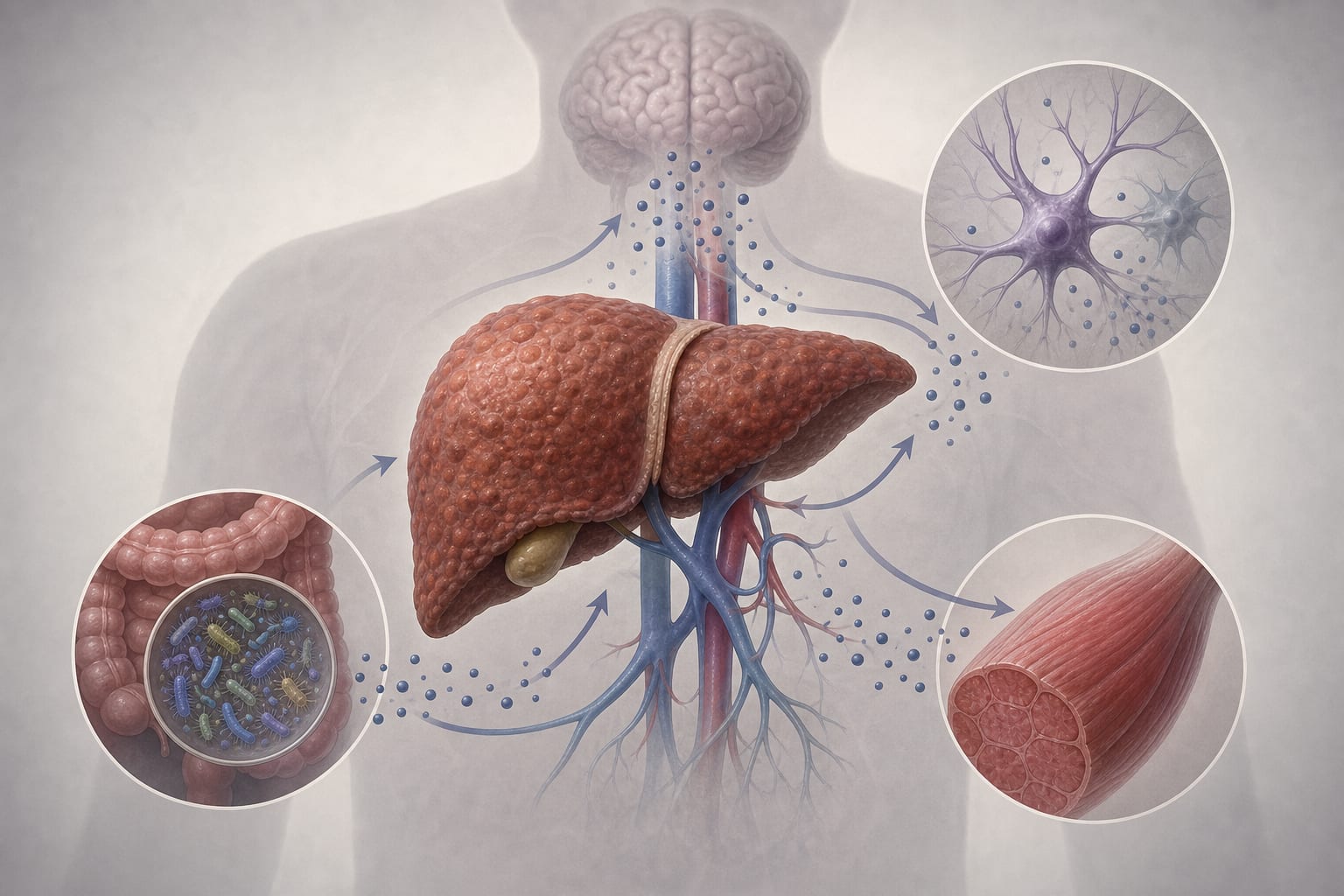
Metabolic dysfunction-associated steatotic liver disease (MASLD) is a prevalent chronic liver condition that significantly complicates the management of type 2 diabetes mellitus (T2DM). The coexistence of these conditions accelerates disease progression and increases the risk of cardiovascular events. Understanding the effectiveness of GLP-1 receptor agonists and SGLT2 inhibitors in this population is crucial for optimizing treatment strategies.

Data Highlights

No numerical data or trial results were provided in the source material.

Key Findings

  • MASLD affects approximately 32.4% of the global population.
  • Patients with MASLD and T2DM have higher rates of hepatic fibrosis progression and cardiovascular mortality.
  • GLP-1 receptor agonists have shown benefits in cardiovascular outcomes and hepatoprotection.
  • SGLT2 inhibitors provide cardiovascular and renal protection, with potential effects on hepatic fat content.
  • No randomized controlled trials have directly compared GLP-1 RA plus SGLT2i combination therapy versus monotherapy in this patient population.

Clinical Implications

Clinicians should consider the potential benefits of both GLP-1 receptor agonists and SGLT2 inhibitors in managing patients with MASLD and T2DM.

Conclusion

This study addresses important gaps in the understanding of treatment options for patients with MASLD and T2DM.

Related Resources & Content

  1. Author(s)/Org, Source, Year -- Title
  2. Author(s)/Org, Source, Year -- Title
  3. Author(s)/Org, Source, Year -- Title
  4. Author(s)/Org, Source, Year -- Title
  5. EASL–EASD–EASO Clinical Practice Guidelines on the management of metabolic dysfunction-associated steatotic liver disease (MASLD) - Journal of Hepatology
  6. Phase 3 Trial of Semaglutide in Metabolic Dysfunction–Associated Steatohepatitis | New England Journal of Medicine
  7. AASLD Announces Update to Metabolic Dysfunction‐Associated Steatotic Liver Disease (MASLD) Practice Guidance | AASLD
  8. EASL–EASD–EASO Clinical Practice Guidelines on the management of metabolic dysfunction-associated steatotic liver disease (MASLD) - Journal of Hepatology
  9. Phase 3 Trial of Semaglutide in Metabolic Dysfunction–Associated Steatohepatitis | New England Journal of Medicine
  10. AASLD Announces Update to Metabolic Dysfunction‐Associated Steatotic Liver Disease (MASLD) Practice Guidance | AASLD

Original Source(s)

Related Content