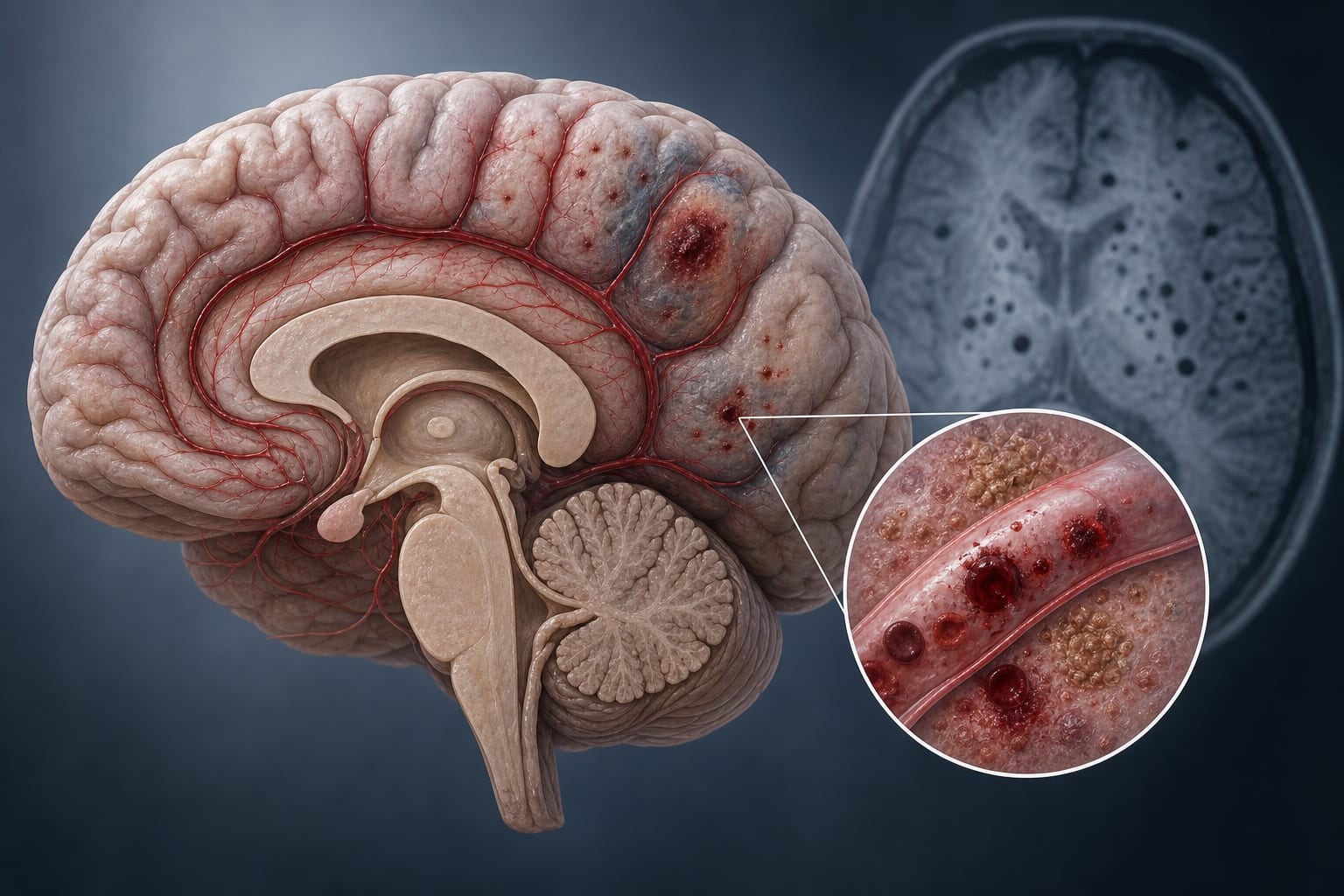
Blood Transcriptomic Machine Learning Model for Alzheimer’s Disease Diagnosis
Overview
A novel Lactylation-Derived Score (LDS) based on seven key genes was developed using machine learning on brain transcriptomic data and validated in plasma samples. LDS demonstrated robust diagnostic performance for Alzheimer’s disease (AD), correlated with disease severity, and improved detection when combined with plasma p-tau biomarkers.
Background
Alzheimer’s disease is a progressive neurodegenerative disorder characterized by cognitive decline and neuroinflammation, with increasing prevalence due to global aging. Early detection remains challenging due to subtle prodromal symptoms and limitations of invasive cerebrospinal fluid biomarkers. Blood-based biomarkers focusing on classical AD hallmarks have limitations, prompting exploration of novel molecular mechanisms such as lactylation, a metabolic-epigenetic modification implicated in neurological diseases. This study aimed to develop a non-invasive, mechanistically informed blood biomarker leveraging lactylation-related gene expression for AD diagnosis and classification.
Data Highlights
Cohort
Sample Size
Groups
Key Findings
Training Cohort (GSE5281, GSE84422)
223
102 Normal Controls (NC), 121 AD
Identified 163 differentially expressed lactylation-related genes; established 7-gene LDS model
Independent Clinical Plasma Cohort
540
180 NC, 90 aMCI, 270 AD
Validated LDS via RT-qPCR; combined with p-tau181/217 improved AD and AT⁺ detection
Key Findings
163 lactylation-related genes were differentially expressed between AD and controls, implicating chromatin remodeling and mitochondrial dysfunction.
A seven-gene LDS model (GFAP, GTF2I, RB1, PFKM, BCLAF1, SPR, SMARCC1) was developed using machine learning with high diagnostic accuracy.
LDS scores increased progressively from normal controls to amnestic mild cognitive impairment (aMCI) and AD, correlating with Braak stage and MMSE scores.
Two lactylation-based AD subtypes were identified, showing metabolic and immune pathway divergences and differences in immune cell infiltration and checkpoint gene expression.
Combining LDS with plasma p-tau181 and p-tau217 biomarkers enhanced detection of AD and amyloid-tau positive individuals.
Clinical Implications
The LDS provides a non-invasive, blood-based biomarker that captures epigenetic and metabolic alterations beyond classical AD hallmarks, enabling earlier and more accurate diagnosis. Its integration with established plasma p-tau biomarkers may improve patient stratification and facilitate targeted interventions. This approach supports scalable screening and monitoring in clinical and research settings.
Conclusion
This study establishes lactylation-related gene expression as a novel, mechanistically informed biomarker for AD diagnosis and classification. The LDS model, validated across multiple cohorts, offers translational potential for early detection and personalized management of Alzheimer’s disease.
References
Original Study -- A Blood Transcriptomic Profile Utilizing Machine Learning for Digital Diagnosis and Classification of Alzheimer’s Disease