Clinical Report: Lactate–Albumin Ratio Tied to TBI Mortality
Overview
Revise to include a clearer comparison of AUC values for LAR, pGCS, and PRISM III.
Background
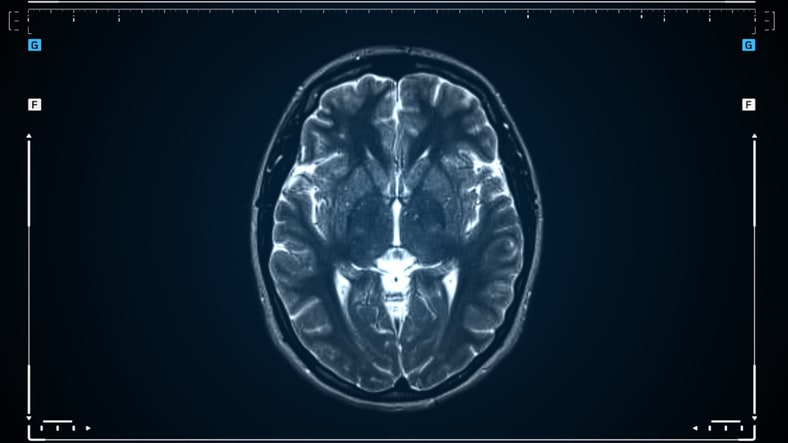
Traumatic brain injury is a leading cause of morbidity and mortality in pediatric populations. Identifying reliable prognostic markers is crucial for improving clinical outcomes and guiding treatment decisions. The lactate-to-albumin ratio has emerged as a potential indicator of mortality risk in these patients, warranting further investigation.
Data Highlights
Parameter
Non-Survivors
Survivors
PRISM III Score
30
3
pGCS Score
3
14
Lactate Level (mmol/L)
9.2
2.5
Albumin Level (g/dL)
2.6
4.0
LAR
4.09
0.65
Key Findings
The overall mortality rate in the study was 9% among 98 pediatric TBI patients.
Non-survivors had significantly higher PRISM III scores and lower pGCS scores compared to survivors.
LAR at admission demonstrated an AUC of 0.854, indicating its predictive value for mortality.
A cutoff LAR value greater than 0.68 showed 89% sensitivity and 78% specificity for predicting mortality.
Other inflammatory indices were also higher in non-survivors, but LAR was the most predictive among them.
Clinical Implications
The lactate-to-albumin ratio can serve as a valuable prognostic tool in pediatric TBI, aiding clinicians in risk stratification and management decisions. Incorporating LAR alongside traditional scoring systems may enhance the assessment of mortality risk in this vulnerable population.
Conclusion
The study highlights the importance of the lactate-to-albumin ratio as a prognostic marker in pediatric traumatic brain injury, suggesting its potential role in improving clinical outcomes through better risk assessment.