Conexiant’s news site is now MDSpire News. Learn more
Advertisement
Accelerated Atherosclerosis Induced by Systemic Lupus Erythematosus: Insights into the Immune-Metabolic-Vascular Interplay and Treatment Considerations
Clinical Report: Accelerated Atherosclerosis Induced by Systemic Lupus Erythematosus
Overview
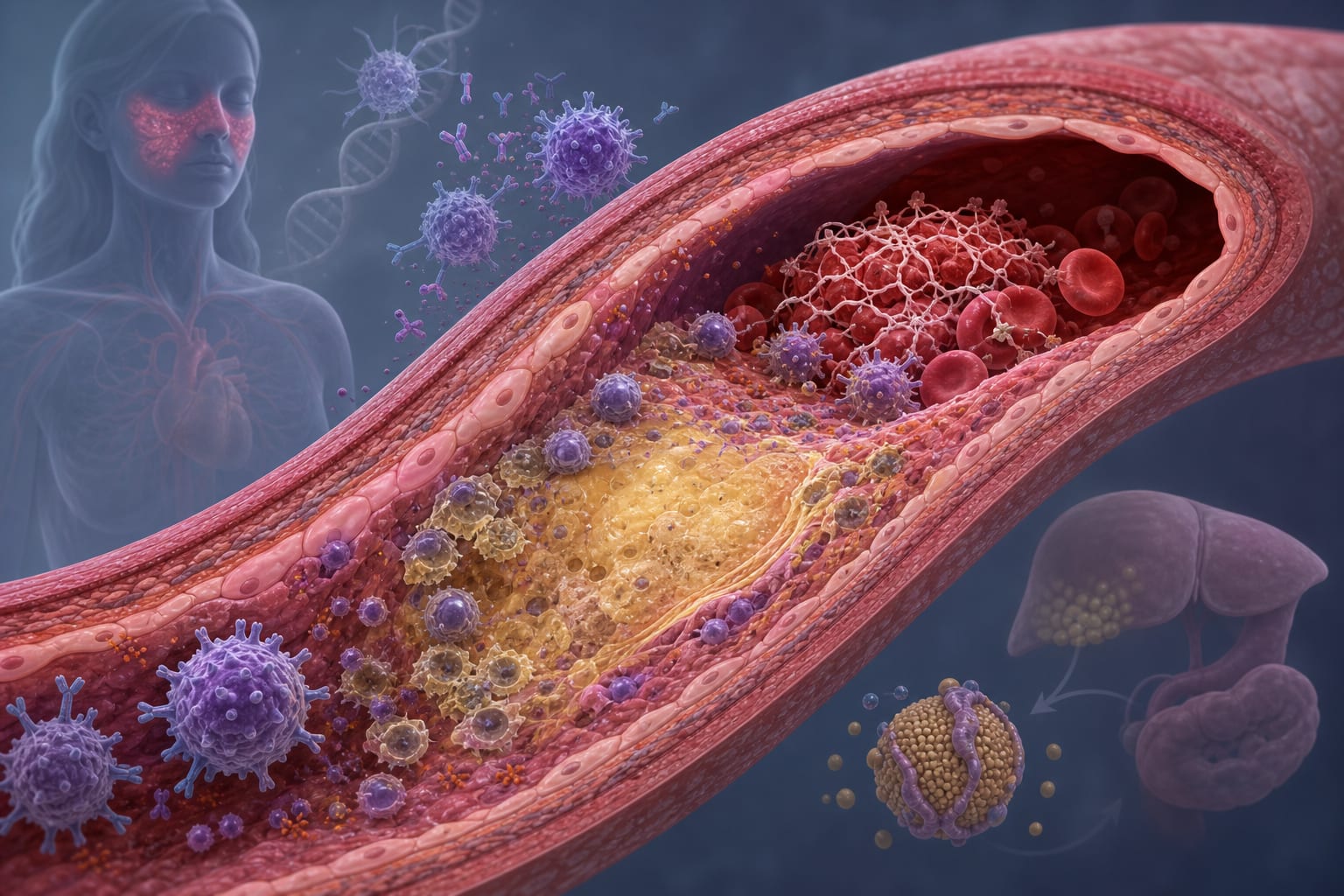
Patients with systemic lupus erythematosus (SLE) face a significantly increased risk of premature atherosclerosis and cardiovascular disease, driven by immune and metabolic dysregulation. This review highlights the interconnected mechanisms contributing to this risk and suggests potential therapeutic strategies.
Background
Systemic lupus erythematosus (SLE) alters the conventional epidemiology of atherosclerotic cardiovascular disease (ASCVD), particularly affecting young women. Traditional risk factors do not fully account for the heightened cardiovascular burden in SLE patients, necessitating a deeper understanding of disease-specific mechanisms. This review explores the immune-metabolic interactions that contribute to accelerated atherosclerosis in SLE.
Data Highlights
No numerical data or trial data presented in the article.
Key Findings
SLE patients exhibit a markedly increased risk of premature atherosclerosis and ASCVD.
Type I interferon (IFN-I) is associated with endothelial injury and impaired vascular repair in SLE.
Neutrophil extracellular traps (NETs) and oxidative modification of HDL contribute to dysfunctional HDL in SLE.
Monocyte/macrophage reprogramming in SLE favors foam-cell formation and inflammasome activation.
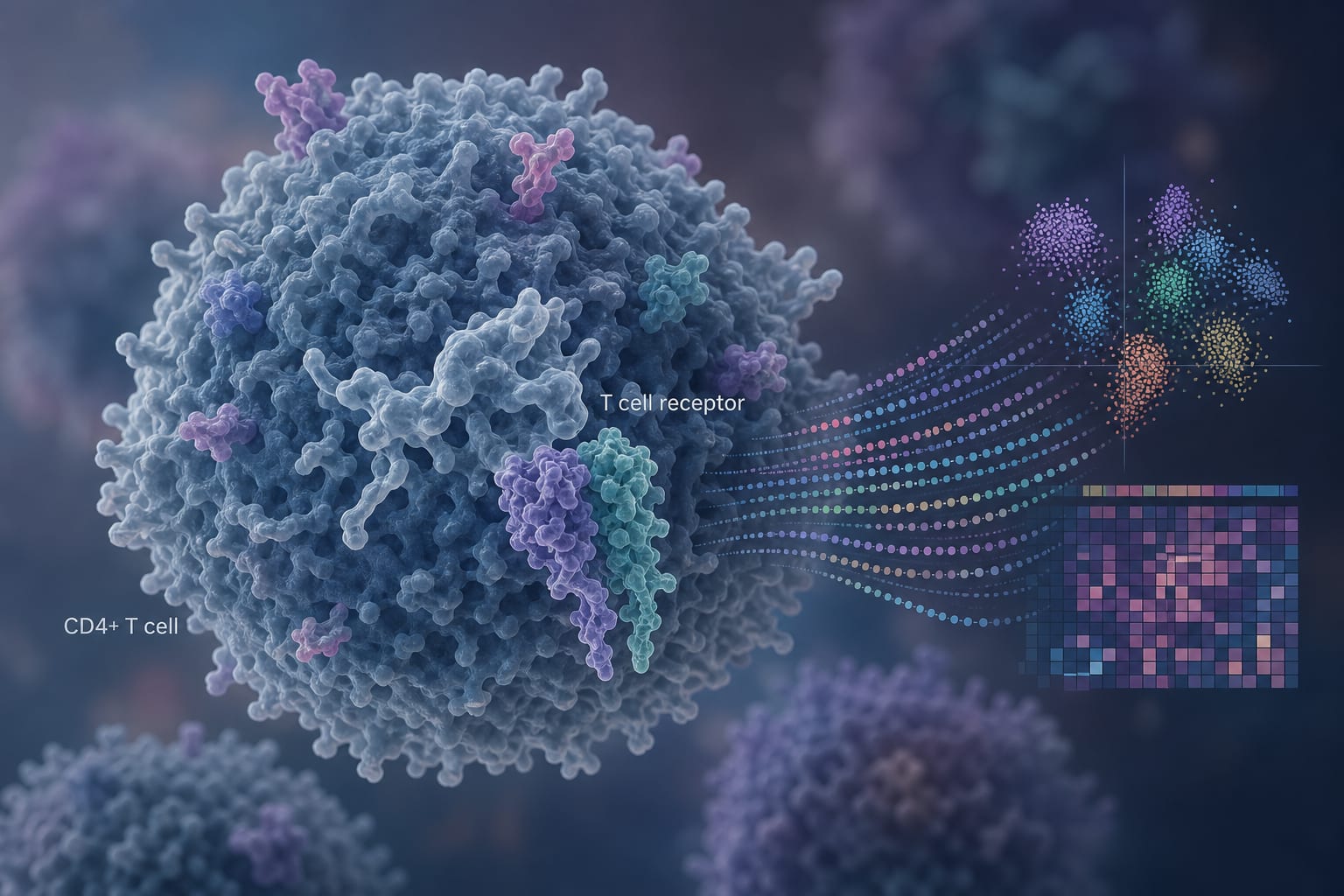
T- and B-cell metabolic dysregulation sustains vascular inflammation and immune injury.
Future treatment strategies should integrate metabolic resetting, immune blockade, and vascular protection.
Clinical Implications
Clinicians should recognize the unique cardiovascular risks associated with SLE and consider a multifaceted approach to management that includes controlling inflammation and addressing metabolic dysregulation. Early intervention and tailored therapies may improve cardiovascular outcomes in this high-risk population.
Conclusion
Understanding the immune-metabolic-vascular interplay in SLE is crucial for developing effective prevention and treatment strategies for accelerated atherosclerosis. Continued research is needed to validate these findings in clinical trials.
Federal prosecutors allege that a Florida physician and research staff fabricated clinical trial records that were submitted into database systems used to evaluate investigational drugs.