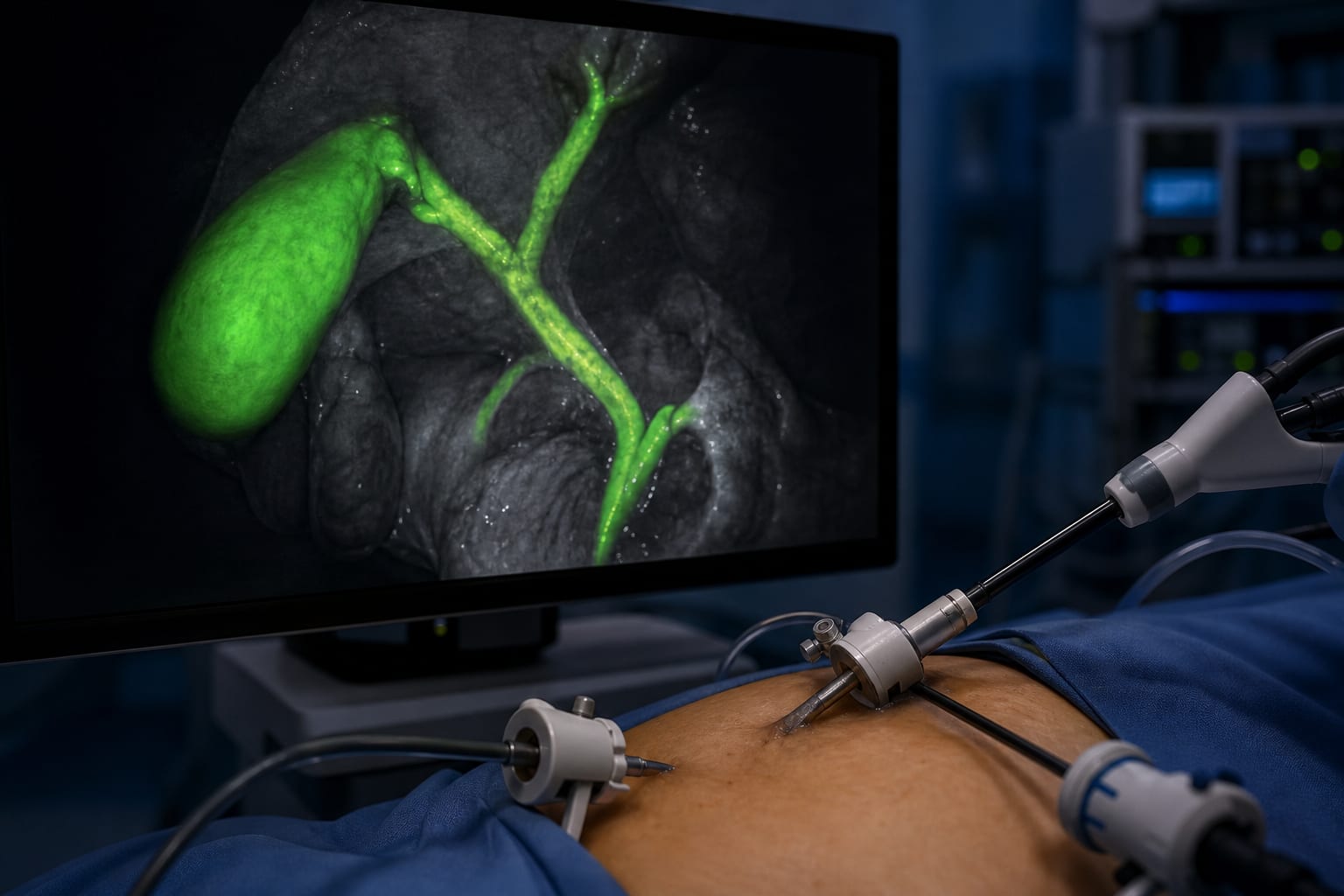
Clinical Report: Adult Presentation of Type I Choledochal Cysts
Background
Choledochal cysts are rare congenital anomalies that can lead to significant complications, including malignancy. While traditionally viewed as a pediatric condition, an increasing number of adults are being diagnosed due to advancements in imaging techniques.
Data Highlights
No numerical data available in the source material.
Key Findings
Type I choledochal cysts are the most common subtype in adults, accounting for 68% of cases.
Approximately 20% of choledochal cysts remain undetected until adulthood.
The risk of malignancy in adults with choledochal cysts is significantly lower than previously reported in pediatric studies, with a prevalence of 7.5% in a pooled analysis.
Postoperative morbidity rates can reach up to 34%, affecting both general and mental health.
Challenges in diagnosis include the absence of the classical triad of symptoms typically seen in pediatric cases.
Clinical Implications
Clinicians should be aware of the atypical presentation of choledochal cysts in adults and consider a broader range of symptoms.
Conclusion
The management of Type I choledochal cysts in adults necessitates a nuanced understanding of their clinical course and potential complications.
by Sonal Walia, Mohammed Saad, James Butler, Ryan J. Ellis, Thomas K. Maatman, Trang Nguyen, C. Max Schmidt, Nicholas J. Zyromski, Eugene P. Ceppa, Attila Nakeeb, Omer Saeed, Michael G. House, Alex M. Roch