Assessment of knowledge and awareness regarding breast density among breast cancer screening healthcare professionals
-
By
-
Areej S. Aloufi
-
July 9, 2026
-
0 min
Clinical Report: Evaluation of Healthcare Professionals' Understanding of Breast Density
Overview
This study evaluates the awareness of breast density (BD) among healthcare professionals (HCPs) involved in breast cancer screening in Saudi Arabia. Findings indicate that radiologists exhibit significantly higher awareness of BD's impact on mammographic accuracy and breast cancer risk compared to non-radiology physicians and radiological technologists.
Background
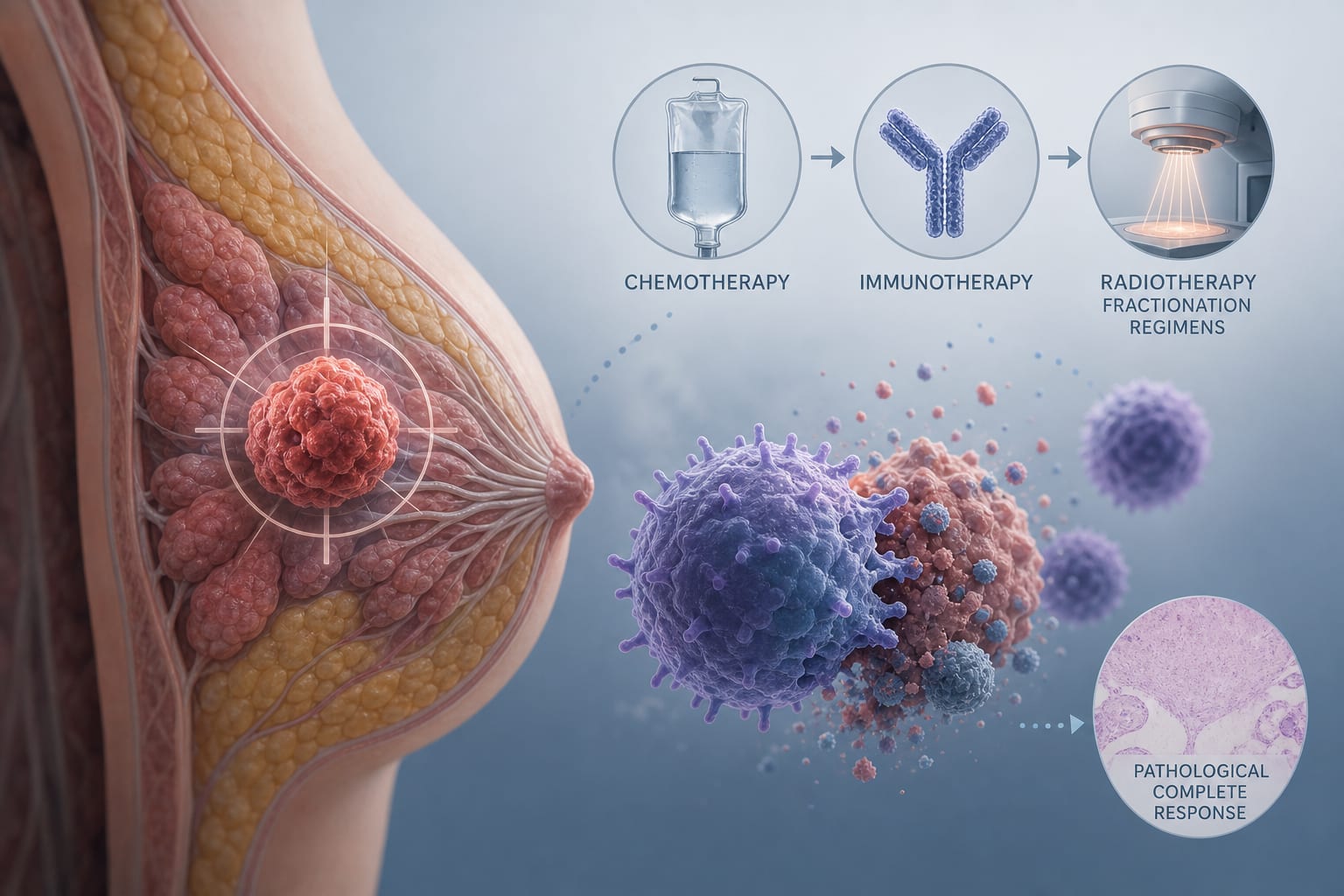
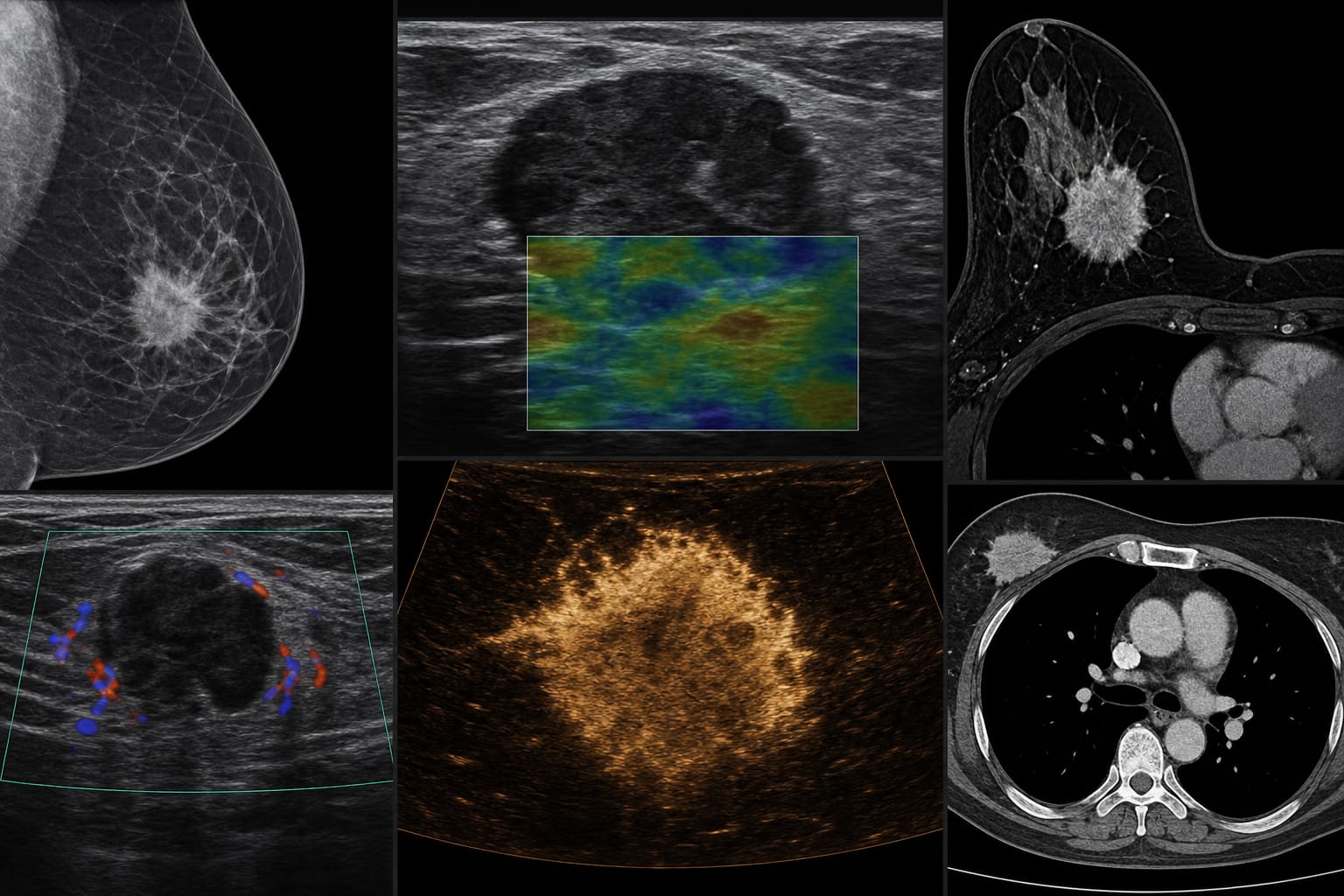
Breast density is a critical factor influencing mammographic sensitivity and breast cancer risk. Increased breast density can mask tumors on mammograms, complicating early detection and timely intervention. Understanding BD is essential for healthcare professionals to provide appropriate counseling and screening recommendations to patients.
Data Highlights
| Profession | Aware of BD Impact on Mammographic Accuracy | Aware of BD Impact on Breast Cancer Risk |
|---|---|---|
| Radiologists | 87.6% | 83.5% |
| Non-Radiology Physicians | 70.0% | 58.0% |
| Radiological Technologists | 76.7% | 65.6% |
Key Findings
- Radiologists showed higher awareness of BD's effect on mammographic accuracy (87.6%) compared to non-radiology physicians (70.0%) and radiological technologists (76.7%).
- Awareness of the increased breast cancer risk associated with BD was significantly related to respondents’ specialty and years of professional experience.
- Gender was significantly associated with awareness of reduced mammographic accuracy (p = 0.002).
- Approximately 30% of women in Saudi Arabia have increased breast density.
- Previous studies indicate a general lack of knowledge regarding BD among healthcare professionals globally.
Clinical Implications
The findings highlight the need for targeted educational interventions to enhance HCPs' understanding of breast density and its implications for breast cancer screening. Improved awareness can lead to better patient counseling and screening practices.
Conclusion
The study reveals significant gaps in knowledge regarding breast density among healthcare professionals in Saudi Arabia, particularly among non-radiology physicians and radiological technologists.
Related Resources & Content
- Author(s)/Org, Source, Year -- Title
- Kevin Hughes, MD, The ASCO Post, 2016 -- Breast Density Legislation: An Opportunity for Better Risk Assessment Breast Density and Cancer Screening
- Author(s)/Org, American Journal of Epidemiology, Year -- The Relationship Between Breast Density and Breast Cancer Risk: Implications of Detection and Masking Bias
- The ASCO Post, 2025 -- Discussing Breast Density With Patients Following the FDA Mammography Quality Standards Act Mandate
- National Cancer Institute, Dense Breasts: Answers to Commonly Asked Questions
- United States Preventive Services Taskforce, Final Recommendation Statement: Breast Cancer: Screening
- National Cancer Institute - Dense Breasts
- USPSTF Final Recommendation Statement on Breast Cancer Screening
- ACR Appropriateness Criteria on Breast Cancer Screening
- [Table], Table 1. The 2024 NCCN Breast Cancer Screening Guidelines - StatPearls - NCBI Bookshelf
- Supplemental imaging modalities for breast cancer screening in women with dense breasts: A systematic review with economic considerations - ScienceDirect
- Evidence Summary: Breast Cancer: Screening | United States Preventive Services Taskforce
- Tomosynthesis vs Digital Mammography Screening in Women with a Family History of Breast Cancer
This content is an AI-generated, fully rewritten summary based on a published scholarly article. It does not reproduce the original text and is not a substitute for the original publication. Readers are encouraged to consult the source for full context, data, and methodology.