Dana-Farber Research Uncovers Approach to Activating the Immune System Against Metastatic Breast Cancer - Report - MDSpire
Advertisement
Dana-Farber Research Uncovers Approach to Activating the Immune System Against Metastatic Breast Cancer
Cancer spreads, or metastasizes, when tumor cells shed from a primary solid tumor, for example in the breast, and embed in other organs, such as the lung, liver, and brain, and begin to grow.
Clinical Report: Dana-Farber Research Uncovers Approach to Activating the Immune System Against Metastatic Breast Cancer
Overview
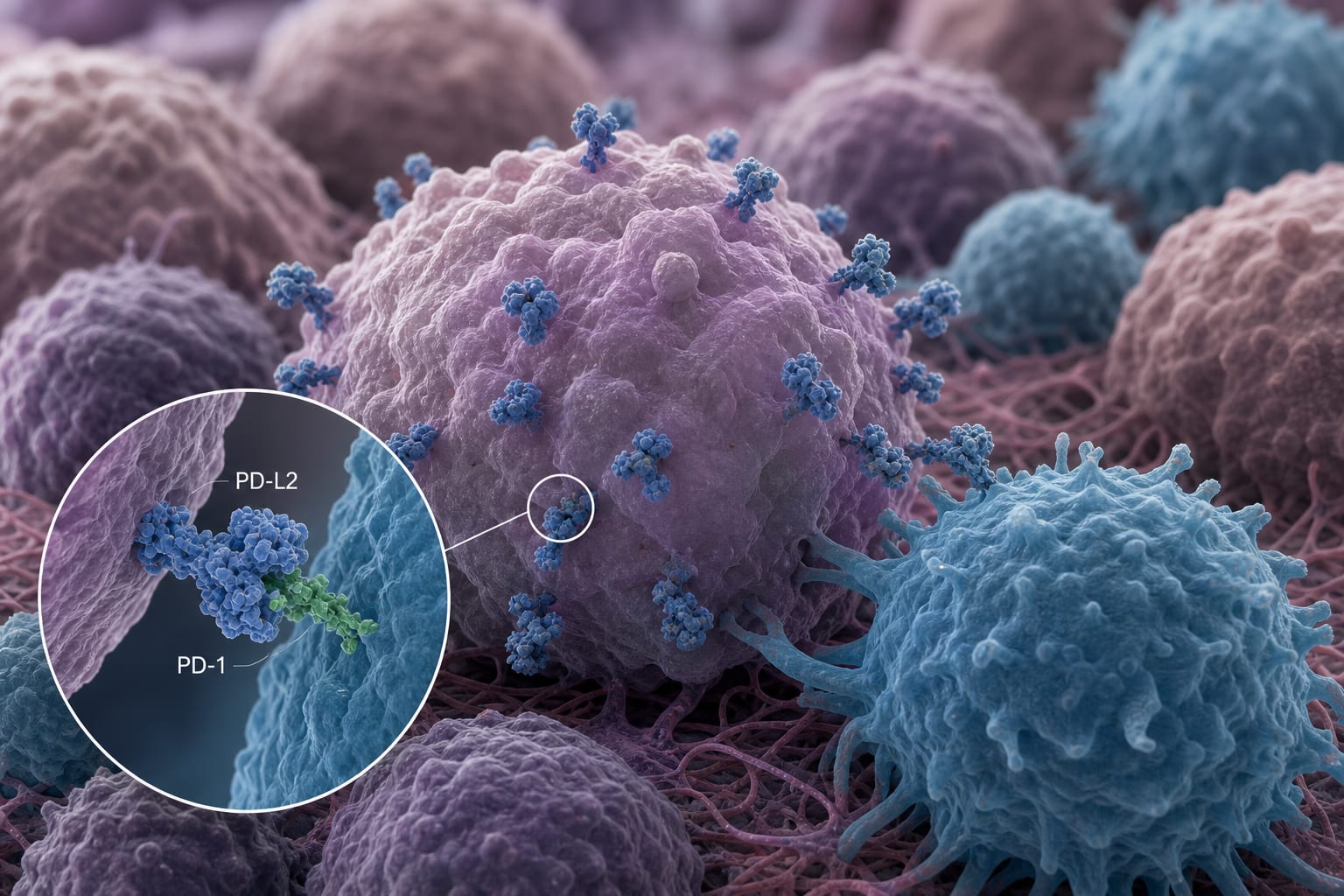
Recent research from Dana-Farber Cancer Institute reveals a novel approach to activate the immune system against metastatic triple-negative breast cancer (TNBC) by targeting the glucocorticoid receptor. The study demonstrates that mifepristone, an FDA-approved drug, can inhibit this receptor, enhancing immune cell efficacy against tumor cells.
Background
Metastatic spread of cancer significantly increases mortality risk in patients with solid tumors, including breast cancer. Current therapies primarily focus on controlling primary tumors, leaving a gap in effective strategies to prevent metastasis. Understanding immune evasion mechanisms in metastatic TNBC is crucial for developing new therapeutic interventions.
Data Highlights
The study utilized animal models to demonstrate that mifepristone can reduce micro-metastatic locations and enhance immune response against disseminated tumor cells.
Key Findings
Rephrase to better connect glucocorticoid receptor activity with patient outcomes.
Clinical Implications
The findings indicate that targeting the glucocorticoid receptor may enhance the effectiveness of existing immunotherapies in TNBC. Clinicians should consider the potential of mifepristone in combination with immune checkpoint inhibitors for patients with metastatic disease.
Conclusion
This research opens avenues for innovative therapeutic strategies aimed at preventing metastasis in TNBC by leveraging the immune system. Further clinical validation is necessary to translate these findings into human applications.