Clinical Report: Active Seizures in Dementia Linked to Increased Mortality and Neurodegeneration
Overview
A large multicenter study found that people with dementia and active epilepsy have higher mortality and more severe Alzheimer’s disease pathology compared to those with remote or no seizures. Active seizures were also associated with greater cerebral and hippocampal atrophy, suggesting seizures may exacerbate neurodegeneration.
Background
Epilepsy and dementia intersect at molecular, epidemiological, and clinical levels, but the causal relationships remain unclear. Seizures may worsen dementia neuropathology, yet detailed characterization of epilepsy in dementia populations is limited. Understanding these interactions is critical to improving outcomes and guiding treatment strategies.
Data Highlights
Group
Number of Subjects
Autopsy Samples
Average Age at Death (years)
Active Epilepsy
407
294
75.0
Remote Epilepsy
Not specified
Not specified
77.9
Controls (No Seizure History)
Not specified
Not specified
80.4
Key Findings
People with dementia and active seizures had significantly increased mortality, dying on average 5.4 years earlier than controls.
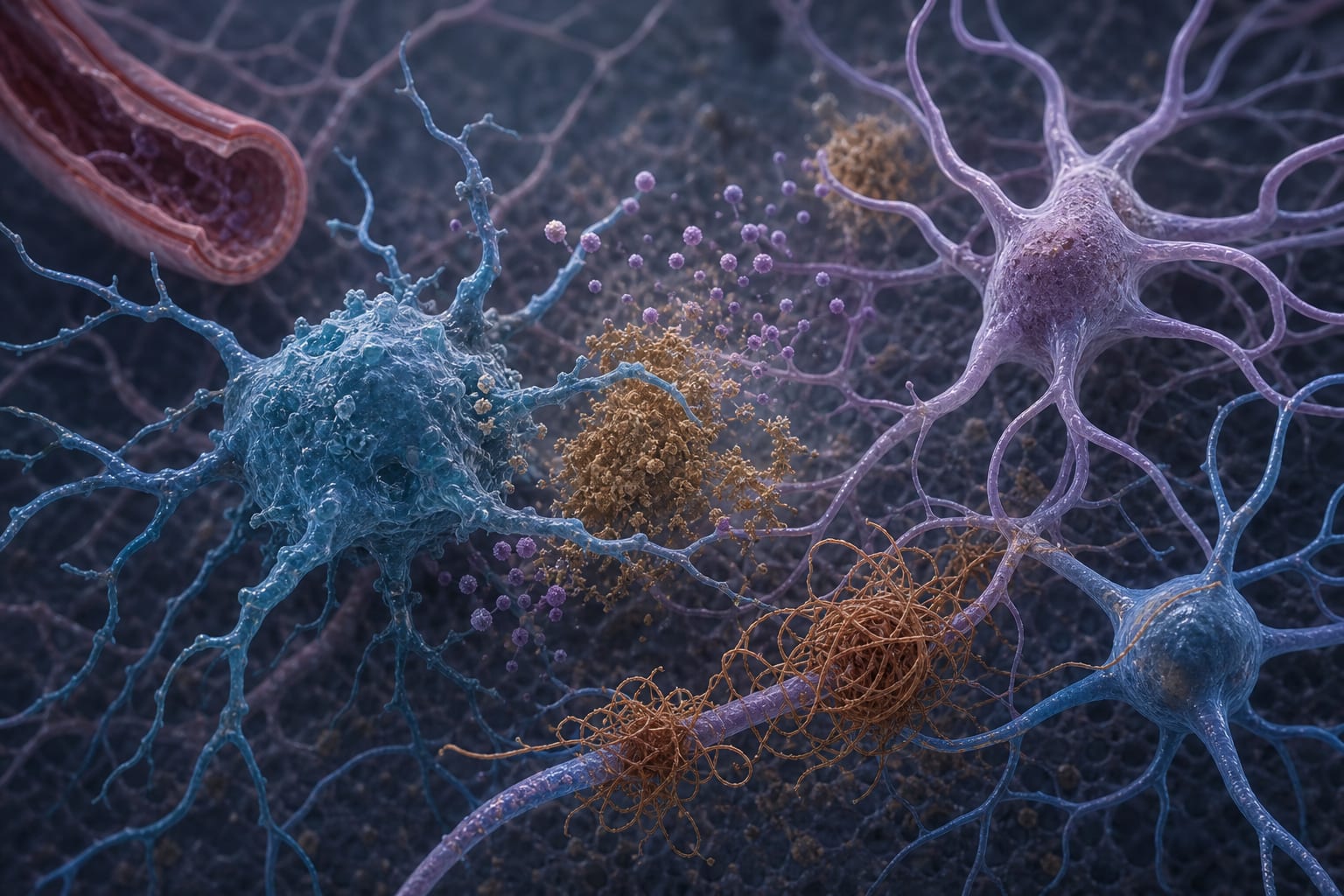
Active seizures were linked to more severe Alzheimer’s disease-type neuropathology, regardless of the primary dementia diagnosis.
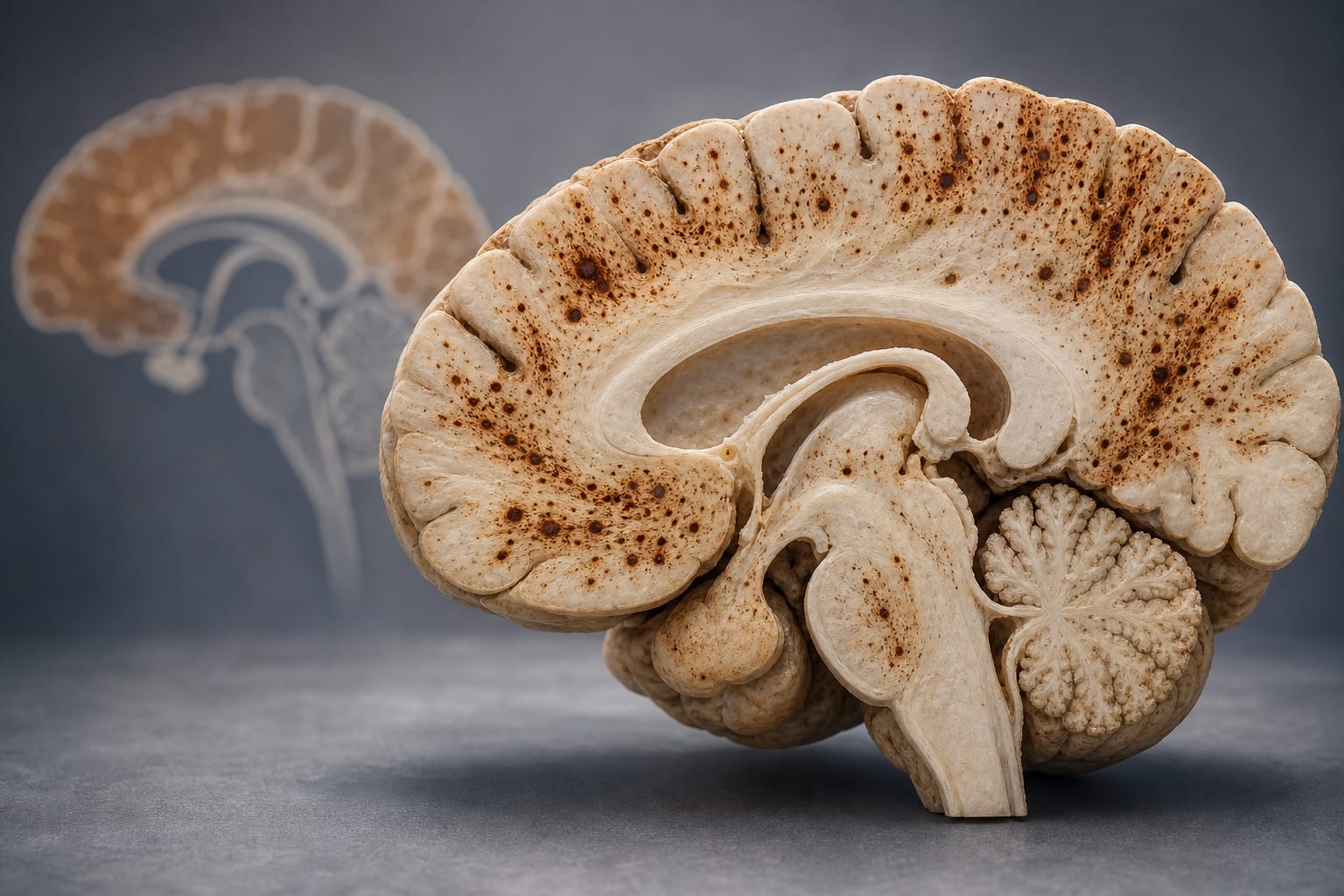
Those with active epilepsy showed greater cerebral and hippocampal atrophy and locus coeruleus hypopigmentation compared to controls.
No significant differences in vascular co-pathology were observed between groups, despite vascular risk being a known factor in epilepsy and dementia.
The study could not establish causality but suggests seizures may exacerbate neurodegeneration and worsen clinical outcomes.
Heterogeneity in epilepsy characteristics and treatment among subjects limits detailed conclusions about seizure type or medication effects.
Clinical Implications
Clinicians should recognize that ongoing seizures in dementia patients may accelerate neurodegeneration and increase mortality risk. Optimizing seizure control, considering vascular risk factors, and improving epilepsy phenotyping in dementia populations are important. Collaborative research and detailed longitudinal cognitive and epilepsy data are needed to develop targeted interventions.
Conclusion
Active seizures in dementia are associated with worsened neuropathology and reduced survival, highlighting the need for integrated clinical approaches and further research to clarify mechanisms and improve patient outcomes.