Clinical Report: The Impact of Gut Microbiome on Osteoporosis
Overview
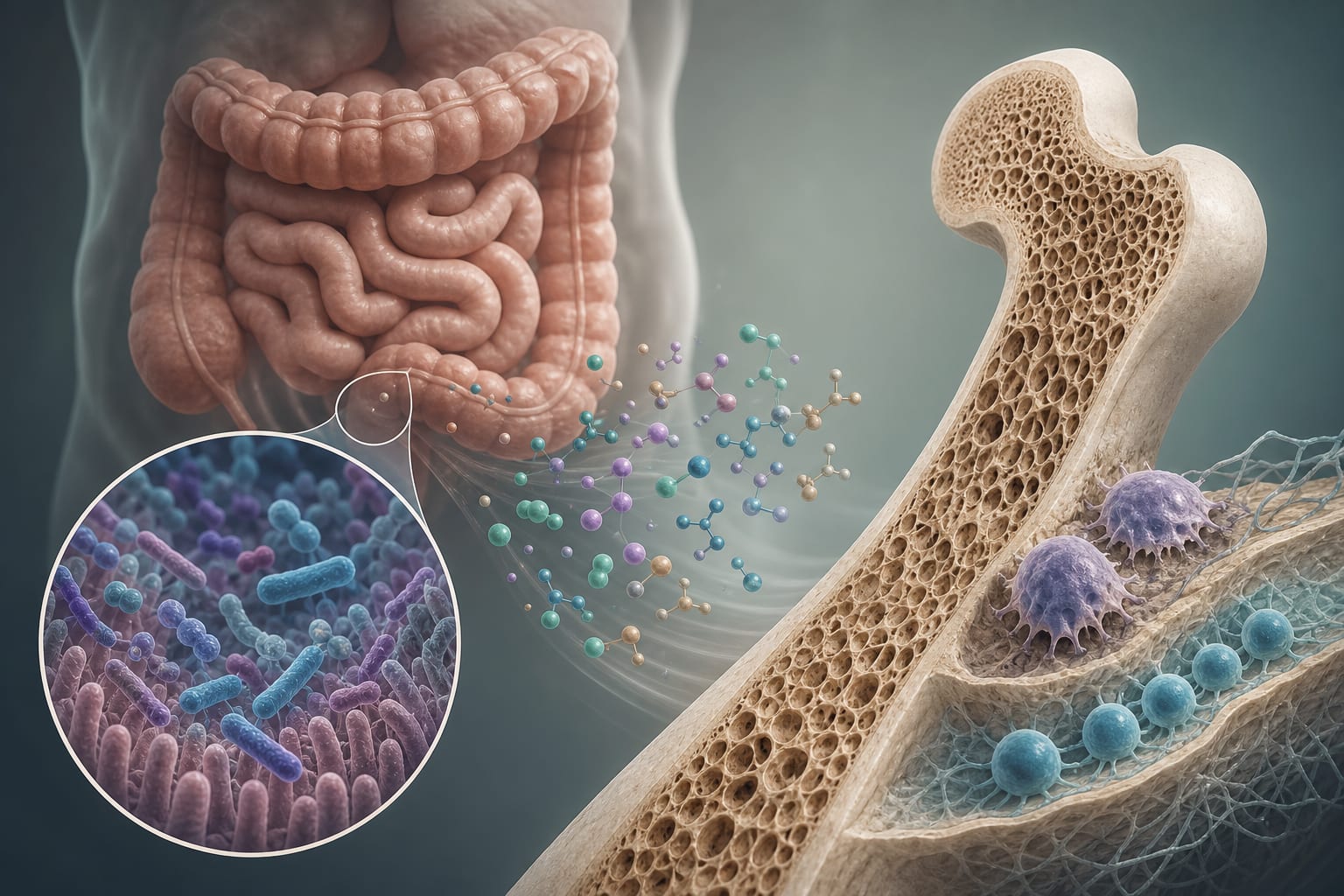
This report examines the role of gut microbiota in osteoporosis, highlighting its influence on bone homeostasis and the development of innovative biomaterials for treatment. The integration of gut-targeted biomaterials presents a promising avenue for addressing osteoporosis-related challenges.
Background
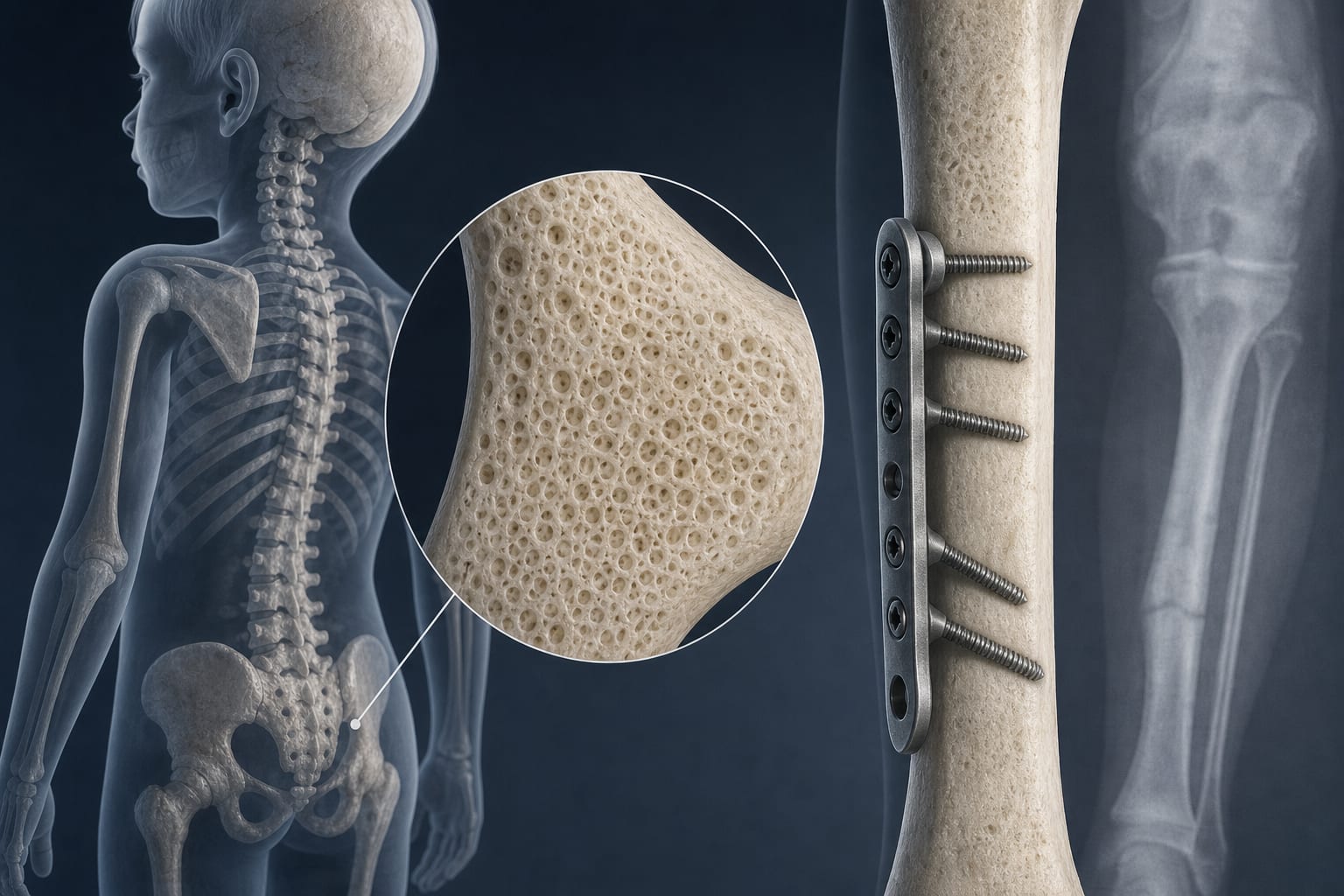
Osteoporosis is a significant global health issue characterized by decreased bone mass and increased fracture risk, particularly in older adults. The condition leads to substantial medical and economic burdens due to its association with fragility fractures. Understanding the gut-bone axis and its regulatory mechanisms is crucial for developing effective interventions and improving patient outcomes.
Data Highlights
No numerical data available in the source material.
Key Findings
The gut microbiota influences bone homeostasis through various mechanisms, including microbial metabolite production and immune modulation.
Advanced biomaterials, such as modified bone cements and intelligent nanocarriers, show promise in osteoporotic bone repair.
Gut-targeted biomaterials can simultaneously address local bone defects and systemic gut microbiome balance.
Clinical translation of gut microbiota-modulating biomaterials faces challenges such as individual microbial variability and biocompatibility risks.
Different administration routes for biomaterials have varying targeting efficiencies and clinical applicability.
Clinical Implications
Healthcare professionals should consider the gut microbiome's role in osteoporosis management and explore innovative biomaterial therapies that target both bone repair and gut health. This approach may enhance treatment efficacy and patient adherence.
Conclusion
The integration of gut microbiome research with biomaterial development offers a novel therapeutic strategy for osteoporosis. Continued exploration in this interdisciplinary field may lead to personalized treatment options that improve patient outcomes.