Clinical Report: Patient-Centered Approaches in Gait Rehabilitation for Stroke
Overview
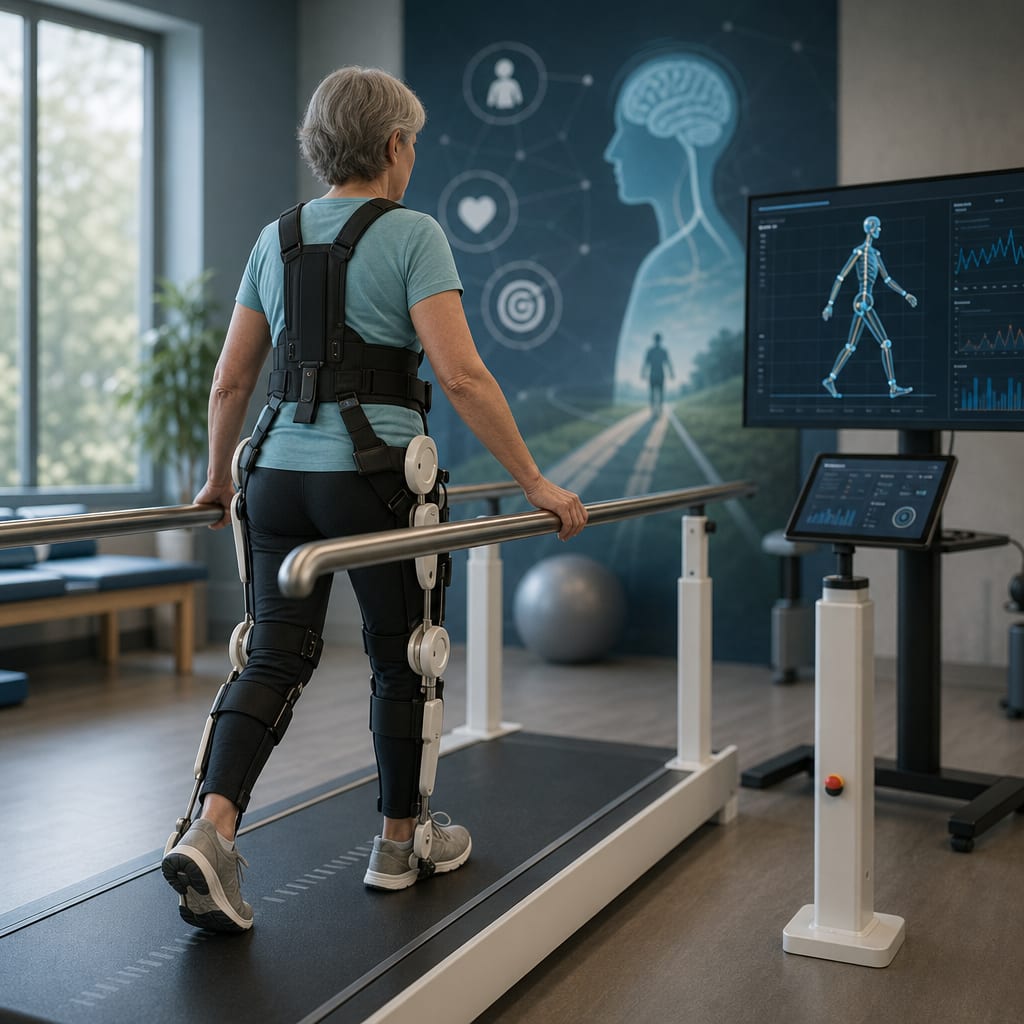
This report explores the integration of person-centered approaches in technology-enhanced gait rehabilitation for stroke survivors. It highlights the importance of aligning rehabilitation interventions with individual goals and experiences to improve engagement and outcomes.
Background
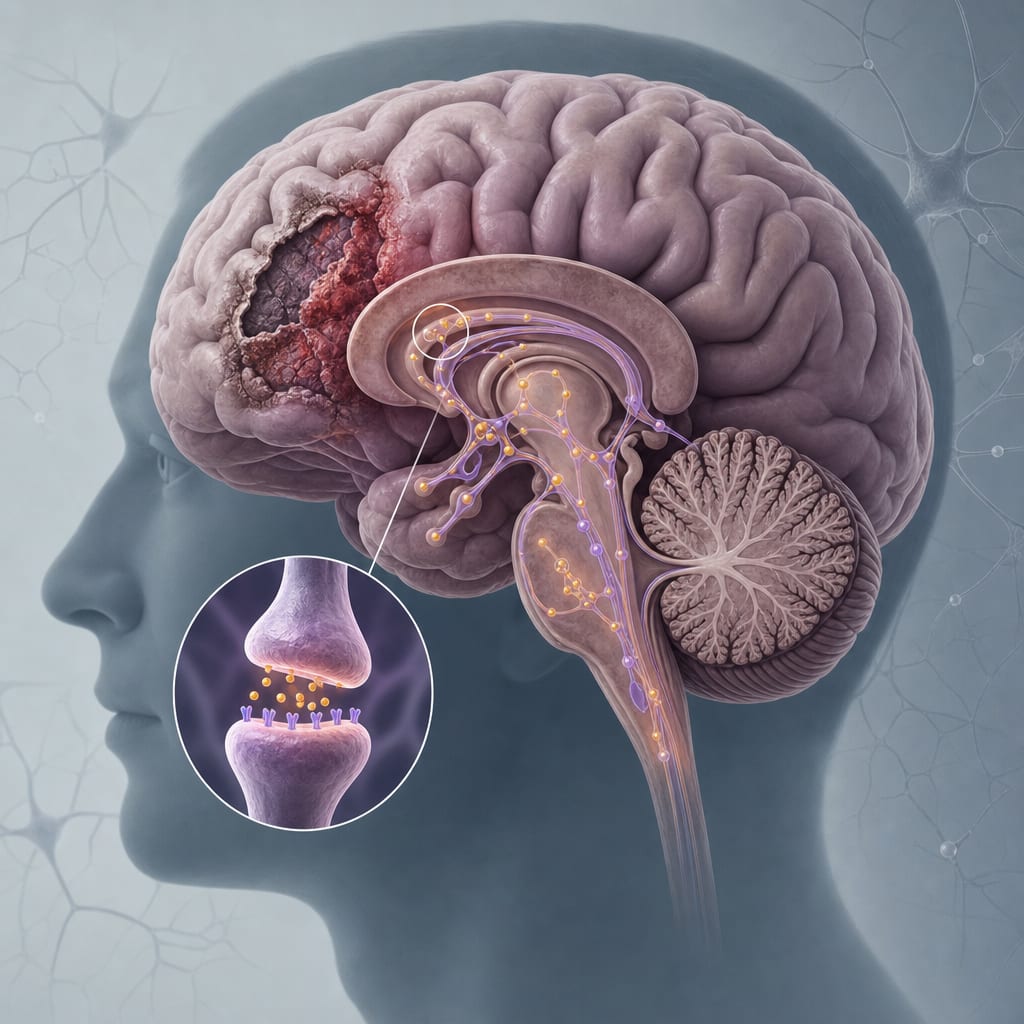
Gait impairments are a significant consequence of stroke, affecting mobility and quality of life. Traditional rehabilitation often overlooks the personal context of recovery, which can hinder patient engagement. Emphasizing person-centered care in gait rehabilitation can enhance the effectiveness of technological interventions.
Data Highlights
No numerical data available in the source material.
Key Findings
Gait rehabilitation is a complex process influenced by motor, cognitive, and emotional factors.
Technology-based interventions must align with individual goals to enhance engagement and effectiveness.
The Person-Centred Practice Framework (PCPF) provides a model for implementing person-centered care in rehabilitation.
Person-centered rehabilitation can improve adherence and motivation among stroke survivors.
Existing reviews have primarily focused on technological efficacy rather than patient experiences.
Clinical Implications
Healthcare providers should prioritize person-centered approaches in gait rehabilitation to enhance patient engagement and outcomes. Understanding individual goals and preferences can lead to more effective rehabilitation strategies.
Conclusion
Integrating person-centered practices in technology-enhanced gait rehabilitation is essential for improving recovery outcomes in stroke survivors. This approach fosters a more meaningful and engaging rehabilitation experience.