Conexiant’s news site is now MDSpire News. Learn more
Advertisement
Multimodal Imaging in Inherited Retinal Disorders
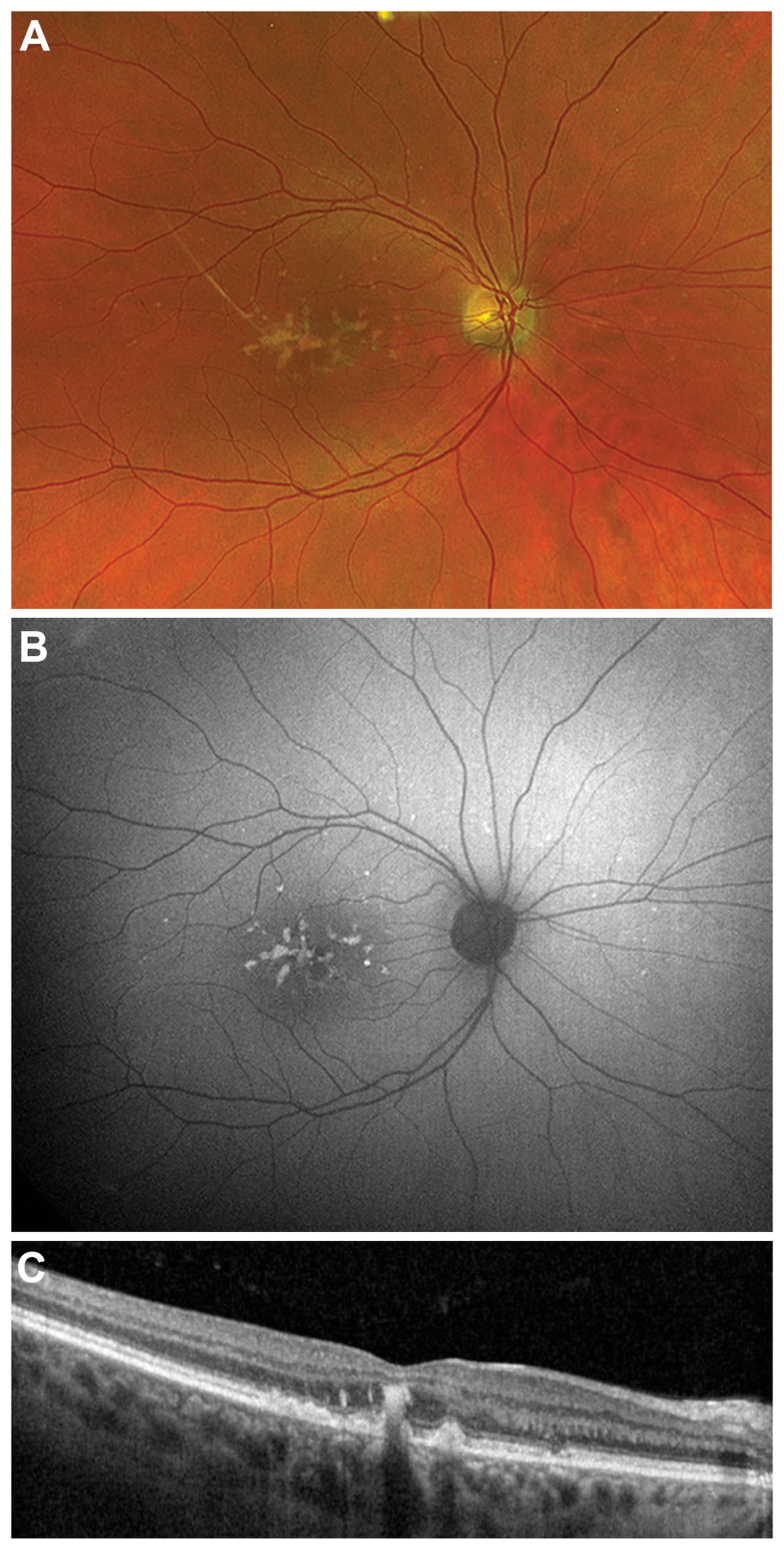
As an increasing number of IRD patients are being identified and referred for genetic testing and counseling, clinicians would benefit from a practical and efficient framework for integrating multimodal imaging into their diagnoses and management. This review summarizes the utility of multimodal imaging across IRDs.
Clinical Report: Multimodal Imaging in Inherited Retinal Disorders
Overview
Expand to include additional imaging techniques such as near-infrared autofluorescence and fluorescein angiography.
Background
Inherited retinal disorders (IRDs) are a diverse group of degenerative diseases that affect photoreceptors and the retinal pigment epithelium, often presenting subtle early symptoms. The advancement of gene-based therapies necessitates accurate diagnosis and monitoring, making multimodal imaging increasingly important. These imaging modalities enhance the ability to identify biomarkers and track disease progression, which is crucial for patient management.
Data Highlights
Revise to state that while no numerical data is provided, qualitative insights are still valuable.
Key Findings
Cross-check findings with the source to ensure all points are accurately represented.
Clinical Implications
Clinicians should integrate multimodal imaging into their diagnostic and management protocols for IRDs to enhance patient outcomes. Understanding the specific roles of each imaging modality can aid in timely diagnosis and effective monitoring of disease progression.
Conclusion
The use of multimodal imaging is transforming the landscape of inherited retinal disorders, providing essential tools for diagnosis and management. Continued advancements in imaging technology will further improve patient care in this field.