Clinical Report: Infectious Profiles and Antimicrobial Resistance in Neutropenic Patients
Overview
This study analyzes the infection characteristics and antimicrobial resistance patterns in neutropenic acute leukemia patients. The findings indicate a high prevalence of Gram-negative infections and significant resistance to common antimicrobials.
Background
Acute leukemia patients often experience neutropenia due to chemotherapy, which significantly increases their risk of severe infections. These infections are a leading cause of morbidity and mortality in this population, making rapid diagnosis and effective treatment critical. Understanding the infectious profiles and resistance patterns is essential.
Data Highlights
Infection Type
Percentage
Bloodstream Infections
39.68%
Respiratory Tract Infections
Not specified
Gram-negative Strains
63.38%
Gram-positive Strains
36.62%
Key Findings
44.37% of acute leukemia patients experienced hospital-acquired infections.
63.38% of isolated bacterial strains were Gram-negative, with Escherichia coli being the most common.
High antimicrobial resistance rates were noted, particularly to ampicillin and penicillin.
Infected patients had higher white blood cell counts and lower albumin levels compared to non-infected patients.
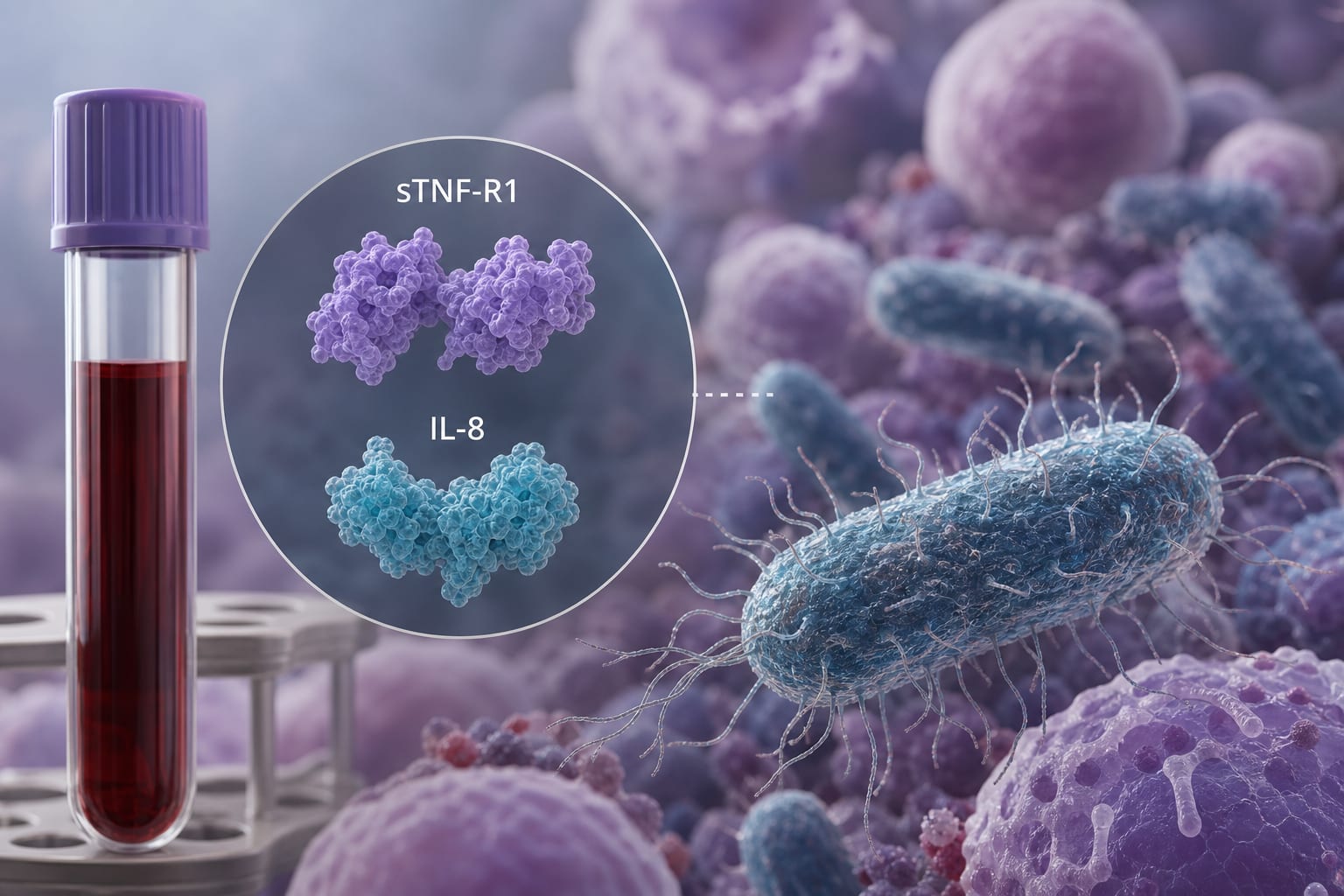
Elevated levels of sTNF-R1 and IL-8 were significantly associated with infections.
The combined ROC AUC for sTNF-R1 and IL-8 was 0.932, indicating strong diagnostic performance.
Clinical Implications
Understanding the resistance patterns can inform empirical antimicrobial therapy choices.
Conclusion
Infections during the neutropenic phase in acute leukemia patients are predominantly caused by Gram-negative bacteria and exhibit substantial antimicrobial resistance. Elevated sTNF-R1 and IL-8 levels are associated with infection in this population.
Dana-Farber Cancer Institute's Dr. Sara Tolaney presented a subgroup analysis of the ASCENT-04 study based on biomarkers. Across all subgroups, patients who received sacituzumab govitecan plus pembro as first-line therapy had longer progression-free survival compared to standard therapy.
Dana-Farber Cancer Institute's Dr. Jennifer Ligibel shared updated results from the BWEL study showing a weight loss intervention led to significantly better physical function, global physical and mental health, and symptom in patients with early breast cancer.