Surgical repair of paraesophageal hernia resolves unexplained iron deficiency anemia in the vast majority of patients: a propensity-matched multicenter study - Report - MDSpire
Clinical Report: Surgical Correction of Paraesophageal Hernia and Anemia
Overview
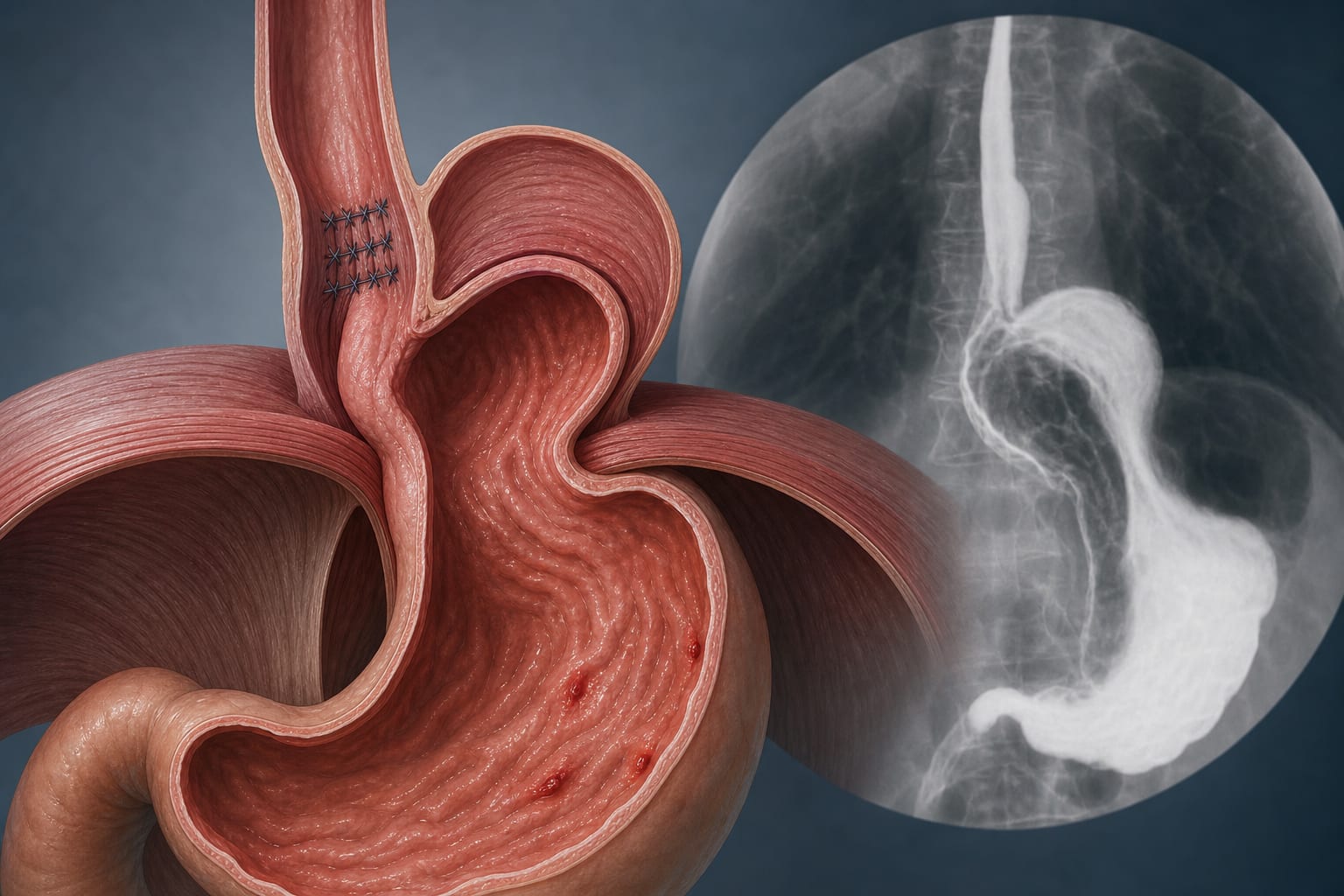
This multicenter study demonstrates that surgical repair of paraesophageal hernias effectively resolves unexplained iron deficiency anemia (IDA) in approximately 93% of patients. The findings suggest that the benefits of surgical intervention extend beyond the presence of Cameron lesions.
Background
Paraesophageal hernias (PEH) are associated with significant clinical manifestations, including iron deficiency anemia (IDA), which affects 30-50% of patients. The relationship between PEH and IDA is often overlooked, leading to delayed diagnosis and treatment. Understanding the impact of surgical repair on anemia resolution is crucial for improving patient outcomes.
Data Highlights
Outcome
Percentage
Resolution of IDA post-surgery
93%
Key Findings
93% of patients experienced resolution of unexplained IDA after PEH repair.
The study excluded patients with known bleeding sources, emphasizing the surgical benefit beyond Cameron lesions.
Durability of anemia resolution was reported up to 5 years postoperatively.
PEH-associated anemia often presents without typical gastrointestinal symptoms, complicating diagnosis.
Preoperative factors influencing hematologic response were identified, aiding in patient selection for surgery.
Clinical Implications
Surgeons should consider PEH repair as a viable treatment option for patients with unexplained IDA, particularly when other bleeding sources have been ruled out. Early identification and surgical intervention may prevent prolonged anemia-related complications.
Conclusion
Surgical correction of paraesophageal hernias is a highly effective intervention for resolving unexplained iron deficiency anemia, highlighting the importance of recognizing this association in clinical practice.
Vascular surgery continues to evolve as new endovascular technologies, hybrid procedures and emerging applications of artificial intelligence expand how physicians can approach complex vascular disease.