Clinical Report: Reconceptualizing Osteoarthritis as a Systems Approach
Overview
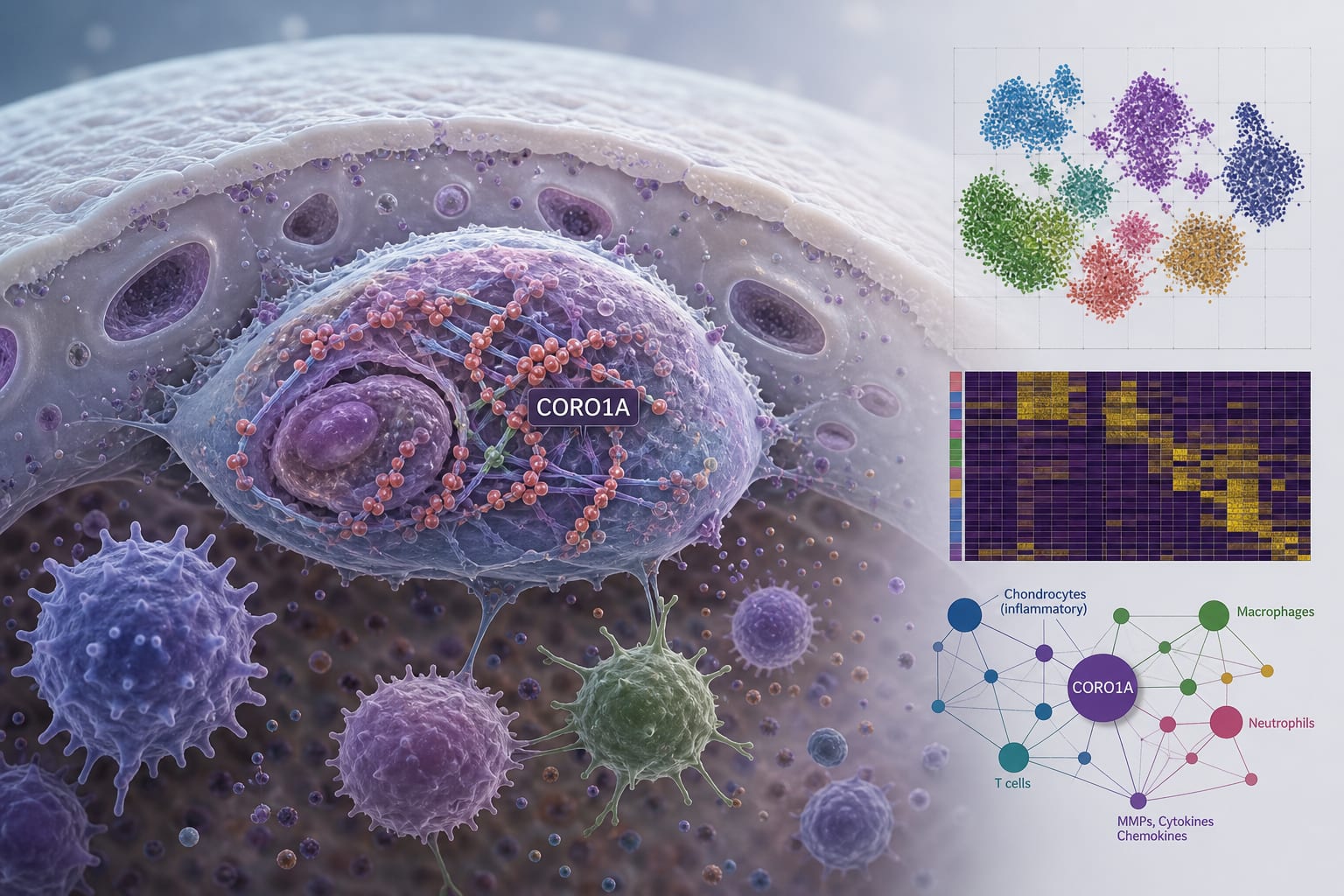
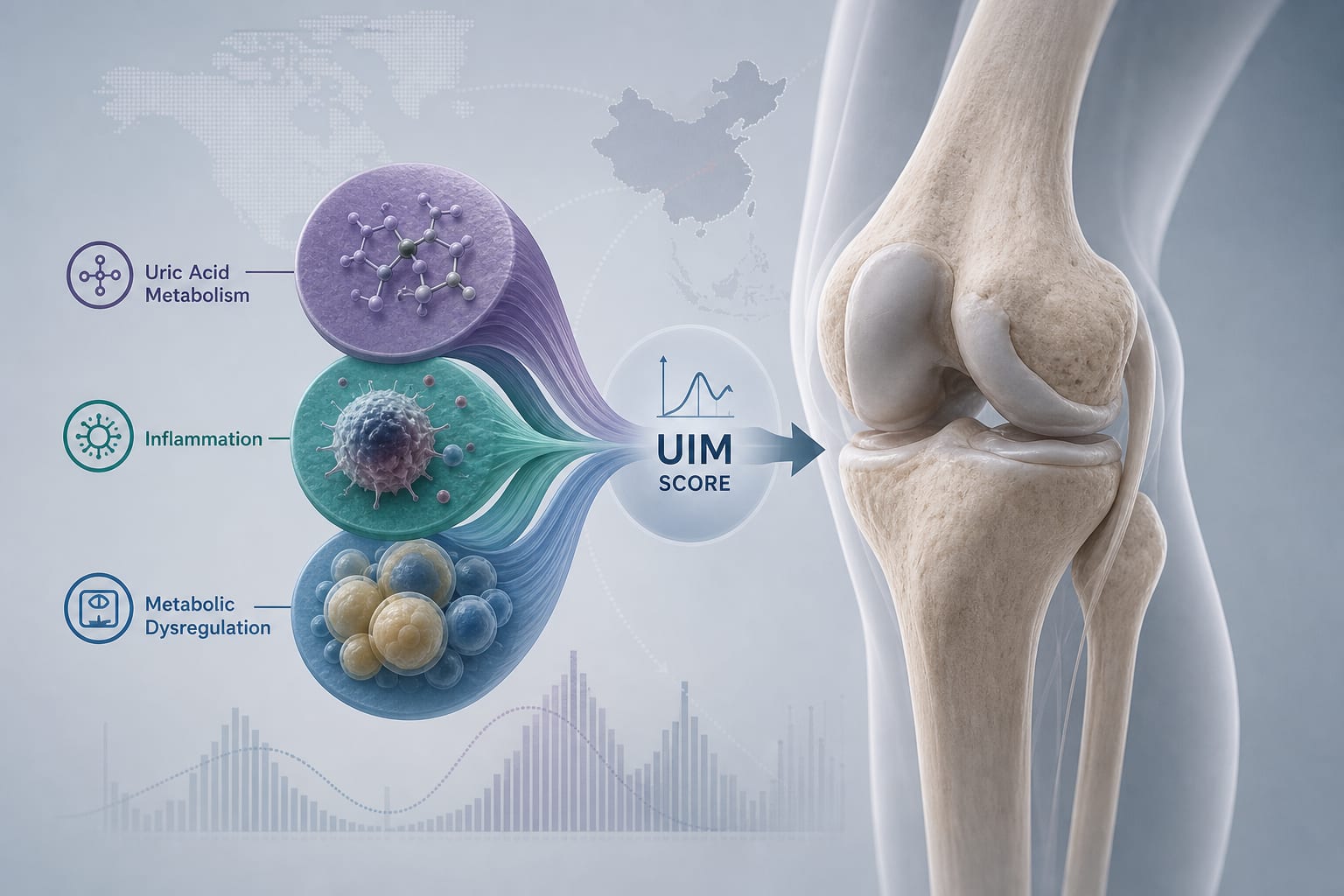
This report presents a novel systems model for osteoarthritis (OA), emphasizing the role of inflammation regulation beyond cartilage damage. The model highlights the interconnectedness of metabolic dysfunction, synovial inflammation, and regulatory failures in OA pathogenesis.
Background
Osteoarthritis is a prevalent age-associated musculoskeletal disorder that has traditionally been viewed as a degenerative cartilage disease. However, this perspective fails to account for the complex interplay of inflammatory, metabolic, and mechanical factors that contribute to OA. Understanding OA as a disorder of regulatory failure rather than solely a structural issue is crucial for developing more effective therapeutic strategies.
Data Highlights
No numerical data provided in the source material.
Key Findings
Osteoarthritis reflects a failure of interdependent synovial regulatory networks rather than just cartilage degeneration.
Energy-redox imbalance and declining NAD+ availability may prime synovial inflammation.
Dysregulated efflux mechanisms can lead to the accumulation of inflammatory mediators, exacerbating pain and inflammation.
Current anti-inflammatory therapies may provide symptomatic relief but do not restore regulatory control over inflammation.
A regulatory-restoration framework is proposed to address the underlying metabolic dysfunction in OA.
Clinical Implications
Clinicians should consider a holistic approach to OA management that addresses metabolic health and inflammation regulation. Current therapies may need to be supplemented with strategies aimed at restoring regulatory mechanisms rather than solely suppressing symptoms.
Conclusion
Reframing osteoarthritis as a systems problem of inflammation regulation offers new insights into its pathogenesis and potential therapeutic approaches. This perspective emphasizes the need for integrated management strategies that target the underlying metabolic and inflammatory processes.