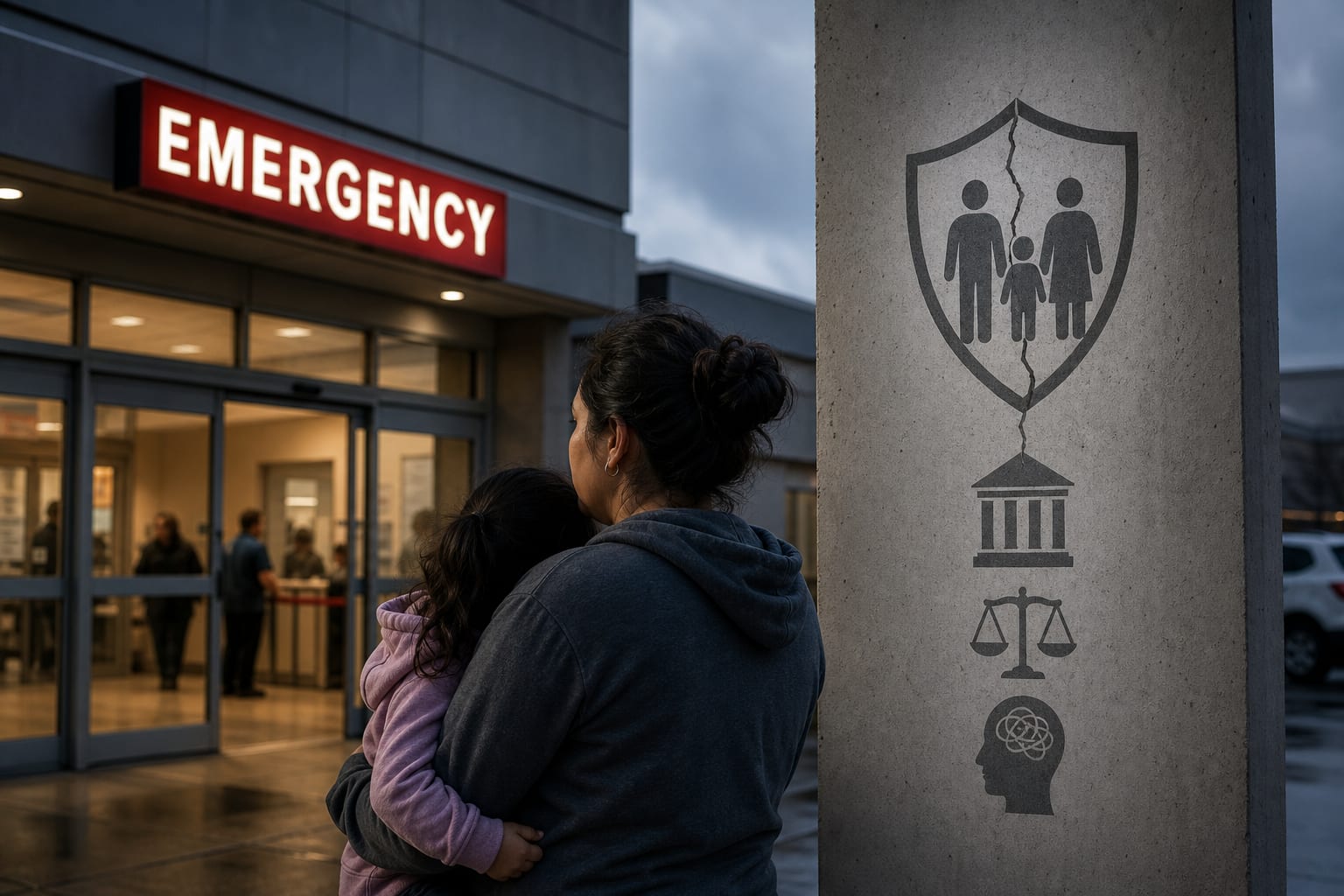
Impact of Immigration Enforcement on Health Access and Equity in Designated Protected Areas
Overview
The rescission of the Protected Areas Policy by DHS has led to a significant decrease in emergency department visits among immigrants enrolled in MassHealth Limited. This study highlights the potential chilling effect of immigration enforcement on access to essential health services.
Background
The intersection of immigration policy and healthcare access is critical, particularly for vulnerable immigrant populations who may face barriers to essential services. The revocation of protections in sensitive areas raises concerns about the implications for health equity and access to care. Understanding these dynamics is essential for healthcare providers and policymakers to ensure that all individuals can receive necessary medical attention without fear.
Data Highlights
Group
ED Visit Change
Adults (MHL)
-11.2%
Pediatrics (MHL)
-13.4%
Medicaid/Medicare
Increase
Key Findings
The rescission of the Protected Areas Policy correlated with an 11.2% decrease in adult ED visits and a 13.4% decrease in pediatric ED visits among MHL enrollees.
Increased ED visits were observed among patients with Medicaid and Medicare during the same period.
Language preference among patients shifted, with a decrease in Spanish, Portuguese, and Haitian Creole speakers, although not statistically significant.
84% of surveyed physicians reported decreased patient visits due to fears of deportation and family separation.
Historical data indicates that anti-immigrant rhetoric has previously led to reduced access to primary care services.
Clinical Implications
Healthcare providers should be aware of the potential deterrent effects of immigration enforcement on patient access to care. It is crucial to foster an environment where all patients feel safe seeking medical attention, regardless of their immigration status. Policies that protect sensitive areas from enforcement actions may help mitigate these barriers.
Conclusion
The findings underscore the need for continued advocacy for immigrant health rights and the importance of protective policies to ensure equitable access to healthcare services. Ongoing research is necessary to further understand the implications of immigration policies on health outcomes.
IBTV speaks with industry leaders at Advanced Therapies London 2026 to explore how automation, AI, closed systems, and smarter supply chain models are helping advanced therapies move toward scalable delivery