Clinical Report: Sustained Immune Reactions to mRNA SARS-CoV-2 Vaccination in Cancer Patients
Overview
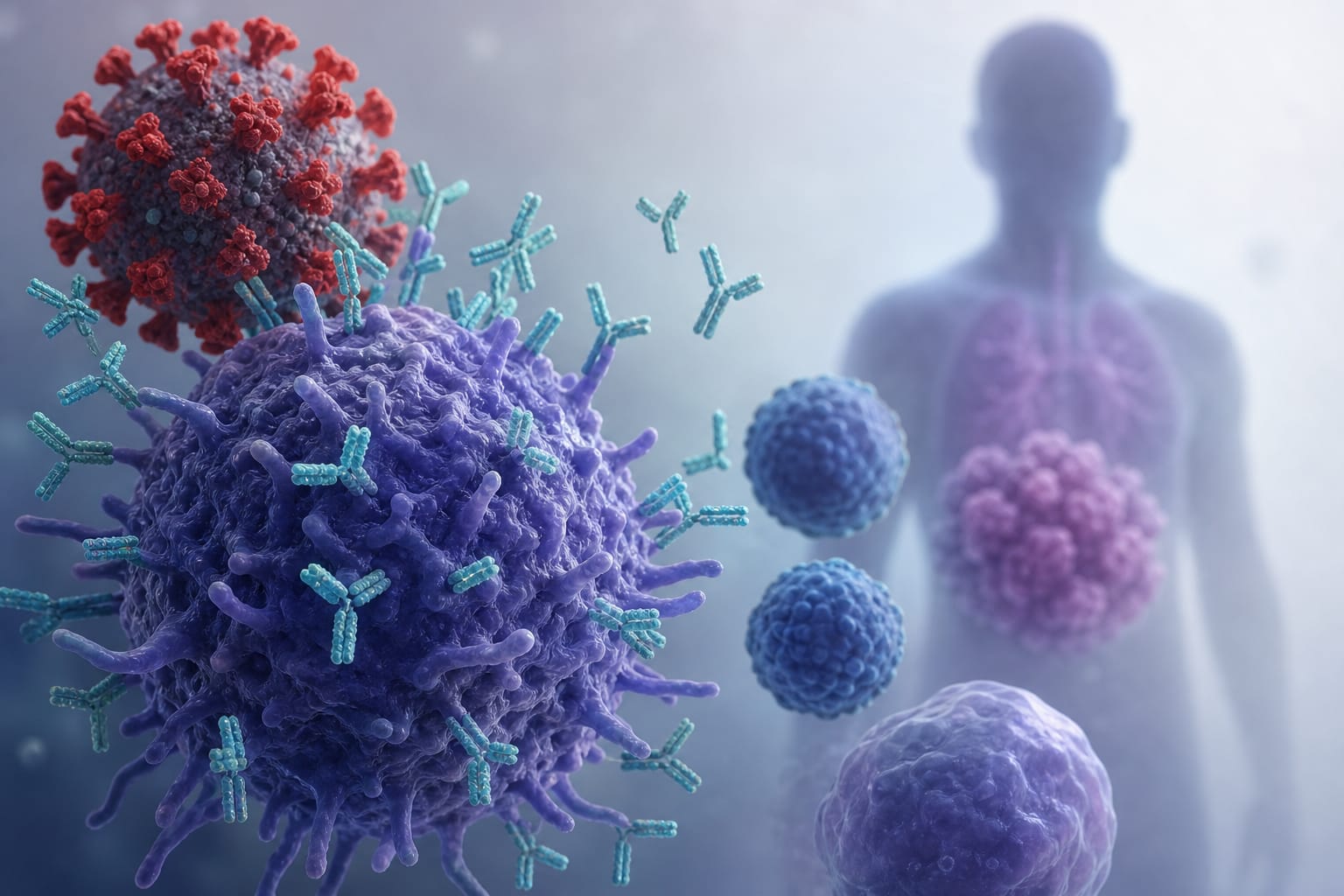
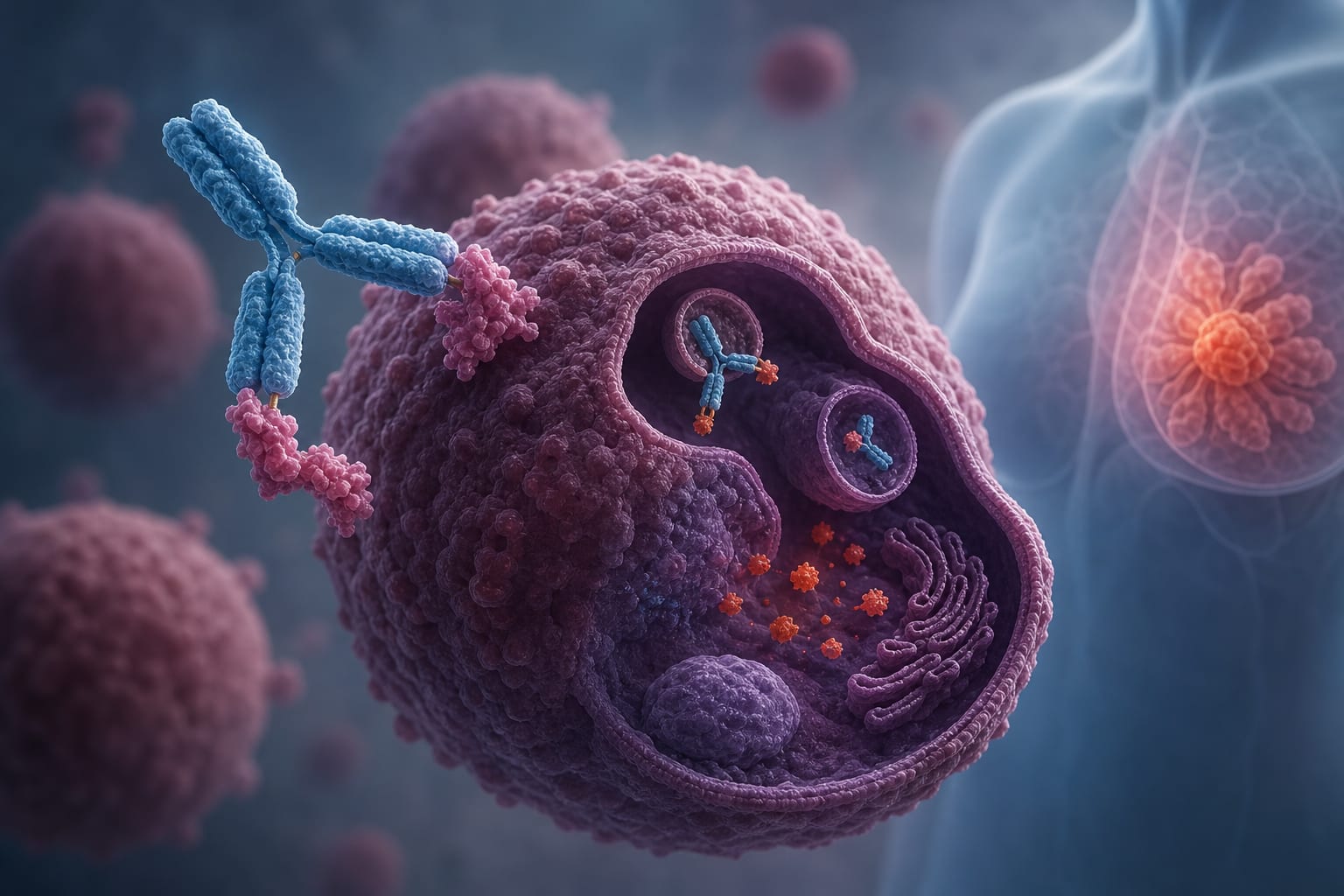
This study evaluates the immune responses to mRNA SARS-CoV-2 vaccination in cancer patients, revealing that all participants developed detectable anti-Spike antibodies. However, antibody levels varied significantly based on cancer type and treatment, with booster doses enhancing responses, particularly in patients in remission.
Background
Cancer patients are at a heightened risk for severe COVID-19 outcomes, yet they were underrepresented in vaccine trials. Understanding the immune response to mRNA vaccines in this population is crucial for optimizing vaccination strategies and improving clinical outcomes. This study addresses the gap in knowledge regarding vaccine efficacy and safety among cancer patients.
Data Highlights
Finding
Details
Patient Cohort
115 patients with cancer
Anti-Spike Antibody Detection
All patients developed detectable antibodies
Lowest Antibody Levels
Patients with hematologic malignancies and/or on chemotherapy
Impact of Boosters
Significantly increased titers in remission or non-cytotoxic therapy patients
SARS-CoV-2 Infection Rate
16% of cohort experienced infection
Key Findings
All patients developed detectable anti-Spike antibodies post-vaccination.
Antibody titers varied by cancer type and treatment, with lower levels in those with hematologic malignancies.
Booster doses significantly enhanced antibody responses, especially in patients in remission.
Prior SARS-CoV-2 infection and the number of vaccine doses correlated with improved immune responses.
Immunophenotyping confirmed expansion of memory T and B lymphocyte subpopulations post-vaccination.
Clinical Implications
The findings underscore the importance of booster vaccinations in cancer patients to enhance immune responses. Clinicians should consider individualizing vaccination strategies based on cancer type and treatment status to optimize protection against COVID-19.
Conclusion
mRNA SARS-CoV-2 vaccines elicit robust immune responses in cancer patients, highlighting the need for tailored vaccination approaches in this vulnerable population. Continued monitoring of immune responses and infection rates is essential for improving patient outcomes.